Antibiotics for Ulcers: What You Need to Know About Treatment and Myths
When you hear antibiotics for ulcers, a targeted treatment used to eliminate the bacteria that cause most stomach ulcers. Also known as H. pylori eradication therapy, it’s not just about soothing pain—it’s about fixing the root cause. Most people think ulcers come from stress or spicy food, but over 90% are caused by H. pylori, a spiral-shaped bacterium that lives in the stomach lining and breaks down its protective barrier. This bug doesn’t just cause discomfort—it can lead to bleeding, perforation, or even stomach cancer if left untreated. That’s why antibiotics aren’t optional here—they’re the cure.
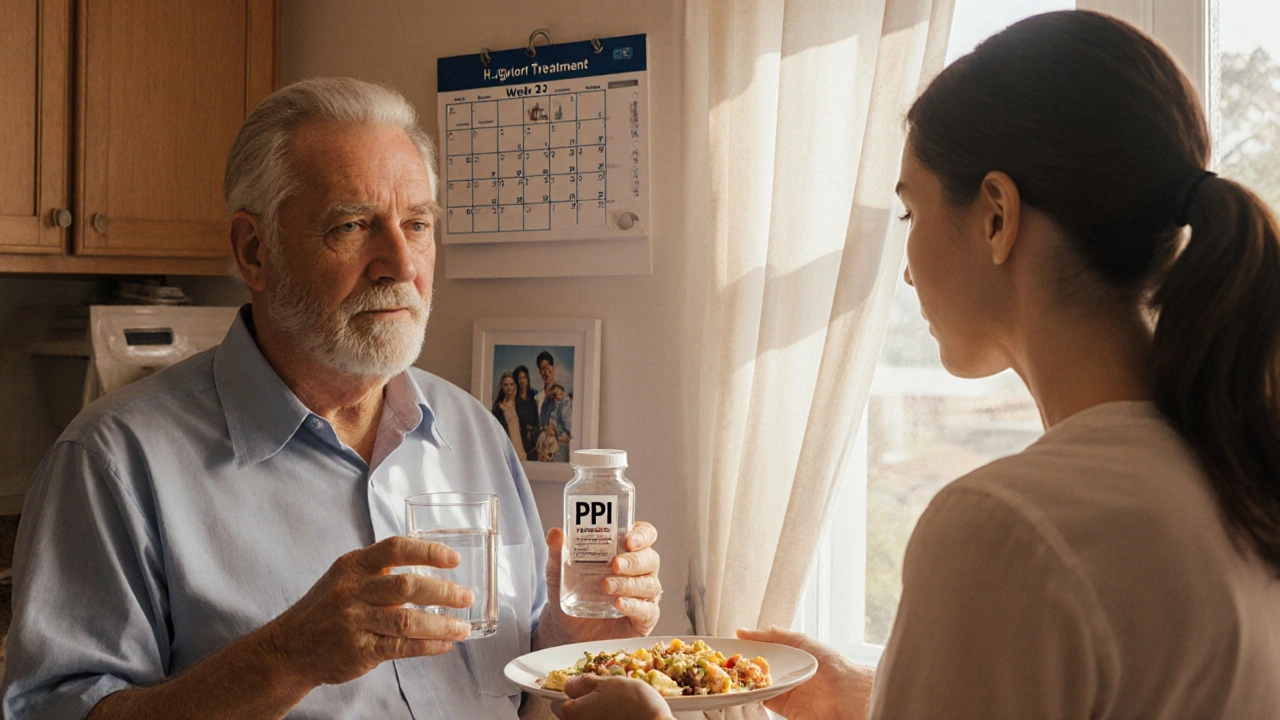
Antibiotics for ulcers never work alone. They’re always paired with acid-reducing drugs like proton pump inhibitors (PPIs), forming what’s called triple or quadruple therapy. Common antibiotics include clarithromycin, a macrolide that stops H. pylori from making proteins it needs to survive. You’ll also see amoxicillin, a penicillin-based antibiotic that attacks the bacteria’s cell wall. And sometimes metronidazole, used when H. pylori resists other drugs. The combo is designed to kill the bug before it learns to fight back. Missing even one pill can let resistant strains take over, making future treatment harder.
Side effects are common but manageable. Diarrhea, nausea, and a metallic taste are normal during the two-week course. That’s why many people wonder if probiotics help—yes, they do. Taking them a few hours after your antibiotic dose can reduce gut upset without lowering the drug’s power. And while you’re on this treatment, avoid alcohol and antacids that interfere with absorption. Don’t stop early just because you feel better. The bug might be hiding.
What you won’t find in most doctor’s offices is the full picture. Some patients get treated with antibiotics but never get tested to confirm the infection is gone. A follow-up stool or breath test is critical—because if H. pylori sticks around, the ulcer will come back. And if you’ve had a previous antibiotic failure, your next round needs a different combo. That’s why knowing your history matters.
There’s a lot of noise out there about natural cures for ulcers—mastic gum, cabbage juice, honey. Some might soothe symptoms, but none reliably kill H. pylori. Only antibiotics backed by clinical trials do. That’s why the posts below cover everything from how to manage antibiotic side effects to what happens when these drugs interact with other meds like blood thinners or antidepressants. You’ll find real-world advice on dosing, timing, and avoiding dangerous combinations—all drawn from actual patient cases and medical guidelines.
Peptic Ulcer Disease: What Causes It and How Antibiotics and Acid Reducers Fix It
Peptic ulcer disease is most often caused by H. pylori bacteria or NSAID use. Learn how antibiotics and acid-reducing medications like PPIs cure ulcers, prevent recurrence, and what lifestyle changes help healing.
view more