Diagnosis: How Doctors Pinpoint Health Problems
When working with diagnosis, the systematic process of identifying a disease or condition based on clinical evidence. Also known as clinical diagnosis, it forms the backbone of any effective care plan.
Every diagnosis starts with symptoms, the signs or feelings a patient experiences and reports. Symptoms act as the first clue, shaping the doctor’s thinking and narrowing the list of possibilities. From a persistent cough to subtle joint pain, each symptom adds a piece to the puzzle, creating a direct link: diagnosis encompasses symptoms. Without clear symptom reporting, the whole process stalls.
Once symptoms are collected, clinicians turn to medical tests, lab work, imaging, or functional studies that provide objective data. Blood panels, X‑rays, and MRIs translate hidden body changes into readable numbers or pictures. This step satisfies the triple: accurate diagnosis requires medical tests. Tests confirm or refute initial impressions, turning guesswork into evidence‑based conclusions.
Key Elements of an Accurate Diagnosis
After gathering symptoms and test results, doctors perform a differential diagnosis, the systematic comparison of multiple possible conditions. This step weighs each possibility against the collected data, ensuring that rare but serious diseases aren’t missed. The relationship here is clear: differential diagnosis influences treatment decisions. By sorting out the most likely cause, clinicians can choose the right therapy quickly, reducing unnecessary interventions.
Finally, the identified condition guides the treatment, the plan of medication, therapy, or lifestyle changes aimed at managing or curing the disease. Effective treatment hinges on a solid diagnosis; a misdiagnosis can lead to ineffective or harmful therapy. This completes the loop: diagnosis leads to targeted treatment, which in turn validates the original assessment through patient response.
Below you’ll find a curated collection of articles that dive deeper into each of these steps—how blood clots form, ways to spot food poisoning, comparing hypertension combos, and many more practical insights. Whether you’re a patient trying to understand your health journey or a practitioner seeking quick references, the posts ahead break down complex concepts into everyday language and actionable advice.
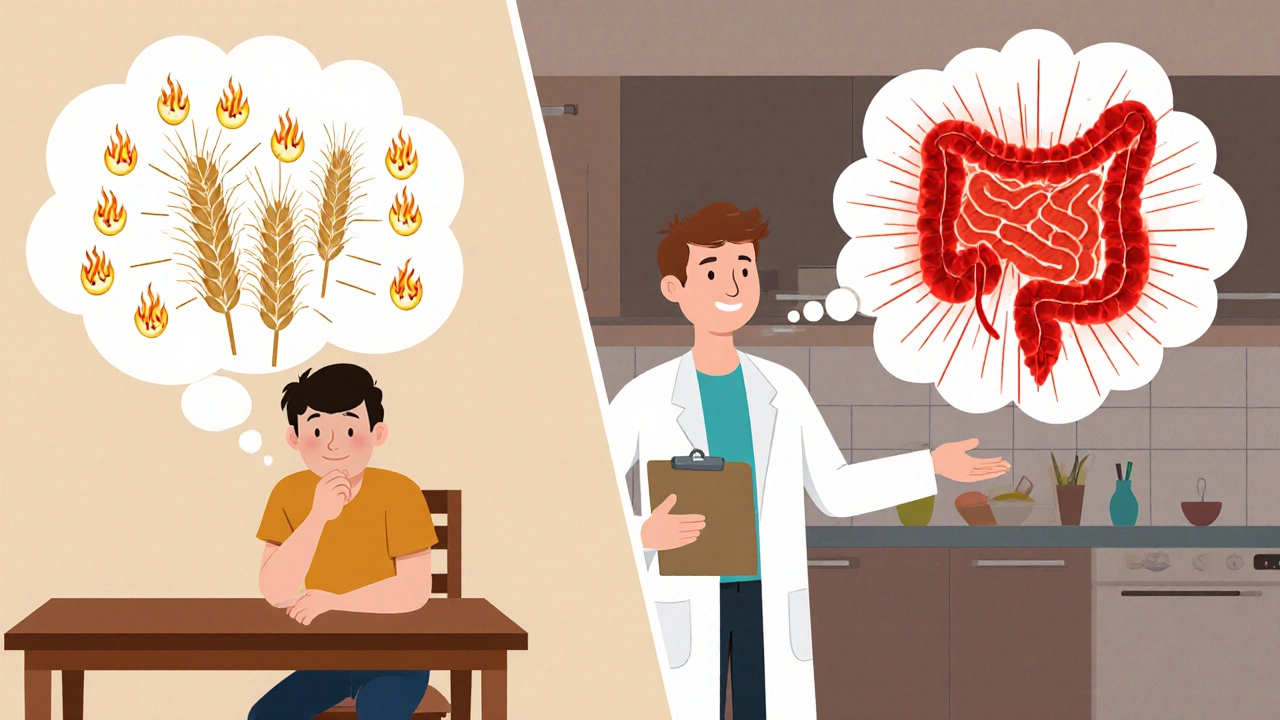
Crohn's Disease & Gluten Intolerance: Signs, Tests, and Diet Tips
Explore how gluten intolerance may affect Crohn's disease, learn symptoms to track, testing methods, diet tips, and when to seek medical help.
view more