Gluten Intolerance: Causes, Symptoms, and Practical Management
Understanding gluten intolerance can change how you feel every day. When working with gluten intolerance, a condition where the body reacts negatively to gluten proteins found in wheat, barley, and rye. Also known as gluten sensitivity, it can trigger digestive upset, fatigue, skin rashes, and joint aches.
This condition encompasses two main sub‑entities: celiac disease, an autoimmune disorder where eating gluten damages the small‑intestine lining and non‑celiac gluten sensitivity, a less‑understood reaction that causes similar symptoms without intestinal damage. Both rely on the same trigger—gluten—but they differ in immune response and long‑term risks. Recognizing the difference helps you choose the right tests and treatment plan.
Key Aspects of Managing Gluten Intolerance
Managing the condition requires a gluten‑free diet, a dietary approach that eliminates all sources of wheat, barley, rye, and their derivatives. Removing gluten reduces inflammation, restores gut lining, and often eases the fatigue and brain fog many report. Beyond food, gut health, the balance of bacteria and integrity of the intestinal barrier plays a big role; probiotics, fiber, and fermented foods can support recovery.
Another important link is between gluten intolerance and autoimmune disorders, conditions where the immune system mistakenly attacks the body’s own tissues. Studies show people with celiac disease have higher rates of thyroid disease, type 1 diabetes, and rheumatoid arthritis. Knowing this connection encourages regular screening for related issues, especially if symptoms linger despite a strict gluten‑free regimen.
Practical steps start with reading labels. Gluten hides in sauces, soups, and even medication fillers. Using a dedicated set of kitchen tools—cutting board, toaster, and spices—prevents cross‑contamination. When dining out, ask staff about hidden sources; most restaurants now offer gluten‑free menus. These habits turn the abstract idea of “avoiding gluten” into a doable daily routine.
Finally, monitoring symptoms matters. Many find a symptom diary helpful: note meals, timing, and how you feel. Over weeks, patterns emerge that can guide adjustments—maybe you’re sensitive to a specific grain or need more fiber. Tracking also provides useful data for doctors if you decide to get blood tests for celiac antibodies or intestinal biopsies.
Below you’ll find a curated set of articles that dive deeper into each of these topics—from the science behind celiac disease to practical grocery‑shopping tips. Whether you’re newly diagnosed or have managed gluten intolerance for years, these resources offer clear, actionable insights to keep you feeling your best.
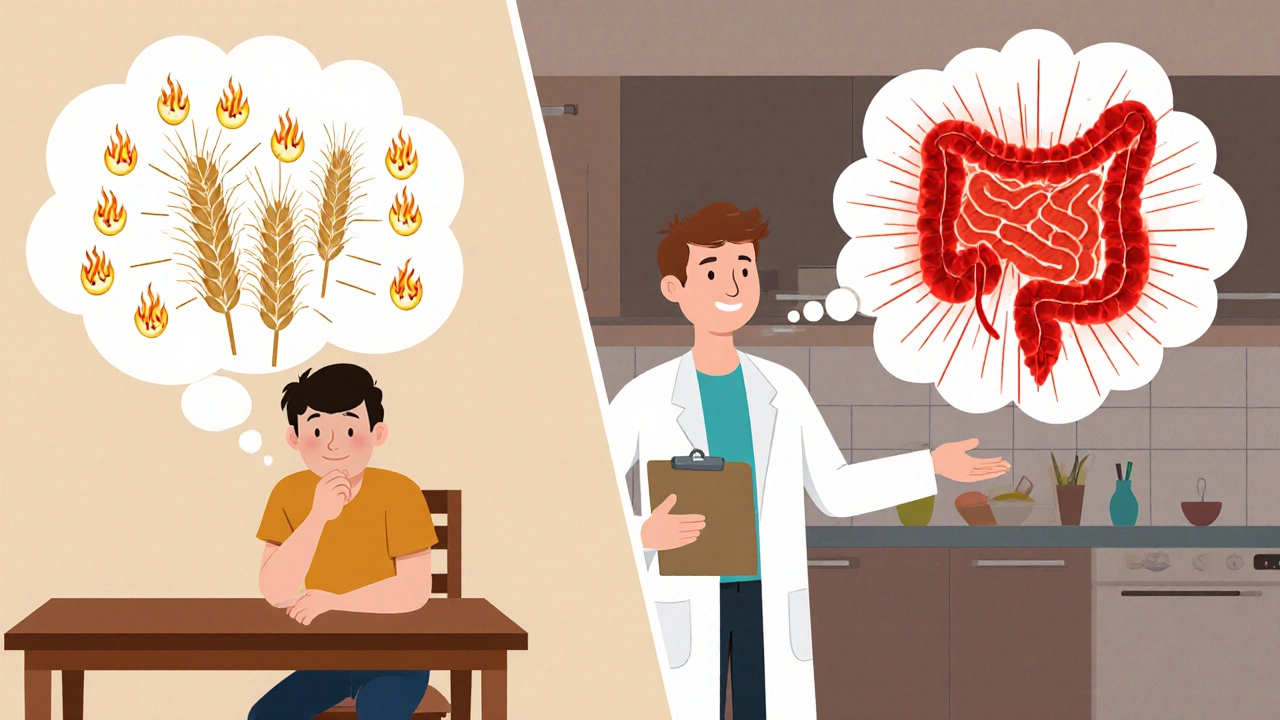
Crohn's Disease & Gluten Intolerance: Signs, Tests, and Diet Tips
Explore how gluten intolerance may affect Crohn's disease, learn symptoms to track, testing methods, diet tips, and when to seek medical help.
view more