H. pylori: What It Is, How It Causes Ulcers, and How Medications Help
When your stomach hurts and nothing seems to fix it, H. pylori, a spiral-shaped bacterium that lives in the stomach lining and is the leading cause of peptic ulcers. Also known as Helicobacter pylori, it’s responsible for up to 90% of ulcers and can silently damage your digestive system for years before you notice symptoms. Unlike stress or spicy food—common myths—it’s a real infection, and it doesn’t go away on its own.
This bug survives in acid by burrowing into the mucus layer of your stomach and neutralizing the acid around it. Over time, it triggers inflammation, weakens the protective lining, and lets stomach acid burn through, creating open sores. That’s how stomach ulcers, open sores in the stomach or upper small intestine caused by H. pylori infection or long-term NSAID use form. You might feel burning pain after eating, bloating, nausea, or even vomiting. Left untreated, it raises your risk for stomach cancer. The good news? It’s curable—with the right combo of drugs.
Most people don’t know that treating H. pylori isn’t just about taking an antacid. You need a antibiotic treatment, a standard two- or three-drug regimen designed to eradicate H. pylori by killing the bacteria and reducing stomach acid to allow healing. Typically, that means two antibiotics—like amoxicillin and clarithromycin—plus a proton pump inhibitor like omeprazole. This triple therapy works in most cases, but resistance is rising, so doctors now sometimes use quadruple therapy or newer alternatives. The key is finishing the full course, even if you feel better. Stopping early lets the toughest bacteria survive and come back stronger.
Some of the posts in this collection dive into how certain drugs interact with H. pylori treatment. For example, acid-reducing drugs like PPIs aren’t just for heartburn—they’re essential partners in killing H. pylori. But they can also mask symptoms or interfere with testing if taken too close to a breath or stool test. Other posts cover how antibiotics like clarithromycin or metronidazole can cause side effects, and why probiotics might help reduce diarrhea during treatment. You’ll also find info on how to confirm the infection is gone after treatment, what to do if it comes back, and why some people never test positive even when they have symptoms.
This isn’t about guessing what’s wrong. It’s about knowing what works—and what doesn’t. Whether you’ve been told you have H. pylori, are still dealing with unexplained stomach pain, or just want to understand why your doctor ordered five different pills, this collection gives you the real facts. No hype. No myths. Just what you need to know to get your gut back on track.
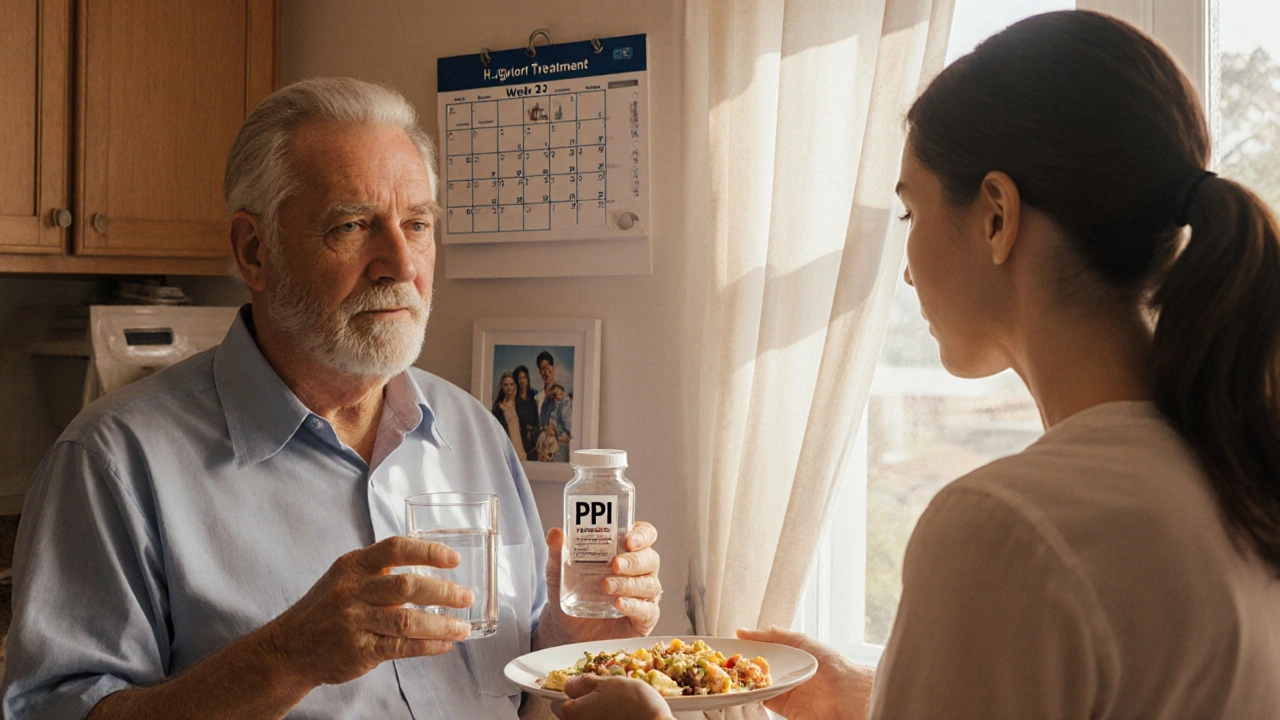
Peptic Ulcer Disease: What Causes It and How Antibiotics and Acid Reducers Fix It
Peptic ulcer disease is most often caused by H. pylori bacteria or NSAID use. Learn how antibiotics and acid-reducing medications like PPIs cure ulcers, prevent recurrence, and what lifestyle changes help healing.
view more