Hemorrhoid Cream: What Works, What to Avoid, and How to Use It Right
When you're dealing with hemorrhoid cream, a topical treatment used to reduce swelling, pain, and itching around the anus. Also known as hemorrhoid ointment, it's one of the first things people reach for when discomfort strikes. But here’s the truth: most over-the-counter creams don’t fix the root problem—they just mask it. And if you use the wrong one, or use it too long, you could end up with worse irritation, skin thinning, or even a hidden infection.
Not all hemorrhoid symptoms, including pain, burning, bleeding, and protruding tissue respond the same way. Some creams contain hydrocortisone, which reduces inflammation but can damage skin if used for more than a week. Others have witch hazel or lidocaine—good for quick relief, but they don’t heal anything. Then there are products with phenylephrine, a vasoconstrictor that shrinks swollen blood vessels. It works, but only if your hemorrhoids are still in the early stage. If you’ve got prolapsed or thrombosed hemorrhoids, cream alone won’t cut it. You need to know the difference.
What most people don’t realize is that anal itching, a common side effect of poor hygiene, moisture, or irritation from wipes and soaps often makes hemorrhoids feel worse. Scratching damages the skin, which leads to more swelling and a cycle that’s hard to break. That’s why cleaning gently with warm water, patting dry, and avoiding scented toilet paper matters more than the cream you pick. And if you’re using a cream that promises "instant relief" but leaves you with a rash, stop. That’s not healing—that’s a reaction.
There’s also a big gap between what’s sold and what actually works. Many creams include aloe vera, cocoa butter, or chamomile—ingredients that sound soothing but have little scientific backing for hemorrhoids. Meanwhile, the real help often comes from simple, low-cost steps: sitting in a warm bath for 10 minutes, using a cushion to take pressure off, and increasing fiber intake to soften stools. These aren’t glamorous, but they’re proven. And if your symptoms last more than a week, or you’re bleeding heavily, cream isn’t the answer—you need to see a doctor. It could be something else: fissures, abscesses, or even rare conditions that look like hemorrhoids but need different treatment.
What you’ll find in the posts below are real, no-fluff guides on how to use hemorrhoid cream safely, what ingredients to watch out for, and when to walk away from the pharmacy shelf. You’ll learn why some people swear by certain brands while others get worse, how to tell if your hemorrhoids are getting better or just hiding, and what to do when OTC products stop working. No hype. No marketing. Just what actually helps—and what doesn’t.
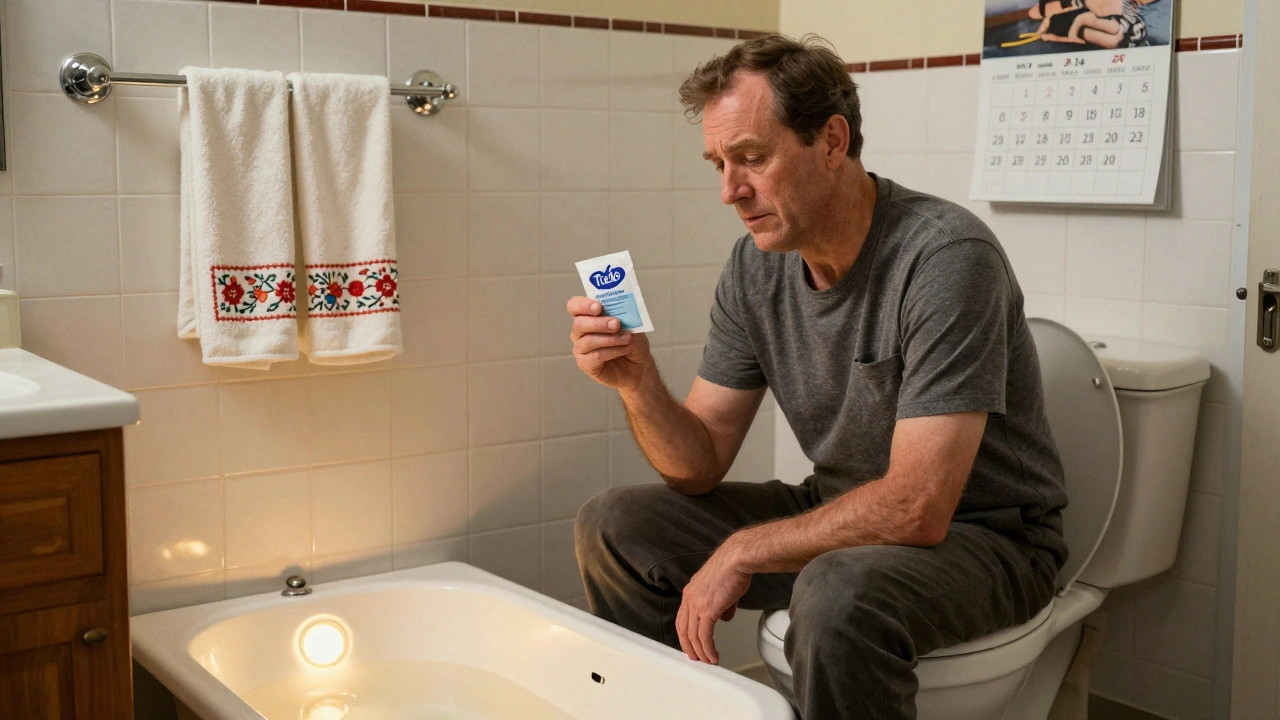
OTC Hemorrhoid Treatments: When to Self-Treat and When to See a Doctor
Most hemorrhoids can be managed at home with OTC treatments, but only if used correctly and for the right duration. Learn which products work best, when to stop self-treating, and when to see a doctor.
view more