Hydrocortisone for Hemorrhoids: What Works, What Doesn't, and What to Watch For
When you're dealing with painful, itchy hemorrhoids, hydrocortisone, a mild topical steroid used to reduce inflammation and itching. Also known as cortisol cream, it's one of the most common over-the-counter options for temporary relief. But here’s the thing: hydrocortisone doesn’t shrink hemorrhoids or fix the root cause. It just quiets the symptoms—itching, burning, redness—long enough for your body to heal. And if you use it too long or too often, it can make things worse.
Most people grab hydrocortisone cream because it’s easy to find and works fast. But topical steroids, medications that suppress local immune responses to reduce swelling and irritation, aren’t meant for daily, long-term use on sensitive skin like the anus. The skin there is thin, absorbs things quickly, and can become fragile with prolonged steroid exposure. You might end up with thinning skin, increased risk of infection, or even rebound itching once you stop. And if you’re using it because hemorrhoids keep coming back, you’re treating the symptom, not the problem—like putting a bandage on a leaky pipe.
What actually causes hemorrhoids? Sitting too long, straining during bowel movements, chronic constipation, pregnancy, or lifting heavy stuff. If those don’t change, no cream will fix it for good. That’s why the best results come from combining hydrocortisone with lifestyle shifts: more fiber, more water, avoiding long toilet sits, and using a stool softener if needed. Some people swear by witch hazel pads or cold compresses. Others find relief with zinc oxide ointments that protect the skin without steroids. And if you’re still in pain after a week, it’s time to see a doctor—because what feels like hemorrhoids could be something else, like an anal fissure or even a rare condition that needs different treatment.
There’s also a big gap in what most people know: hydrocortisone creams come in different strengths. The OTC ones are usually 0.5% or 1%. Prescription versions go higher. But stronger doesn’t mean better for hemorrhoids. In fact, using a high-dose steroid on your bottom is like using a sledgehammer to fix a loose screw. You’re asking for trouble. And don’t assume natural equals safe—some herbal hemorrhoid creams contain hidden steroids that aren’t listed on the label. The FDA has warned about this before.
So if you’re thinking about hydrocortisone for hemorrhoids, here’s the short version: use it for no more than 7 days, only on flare-ups, and always pair it with changes to your daily habits. Don’t use it if you have open sores, signs of infection, or if you’re pregnant without checking with your doctor. And if you’ve been using it for months and still feel discomfort, you’re not getting better—you’re masking the problem. The real fix isn’t in the tube. It’s in how you sit, how you eat, and how you go to the bathroom.
Below, you’ll find real stories and facts from people who’ve been there—what helped, what didn’t, and what they wish they’d known before reaching for that cream.
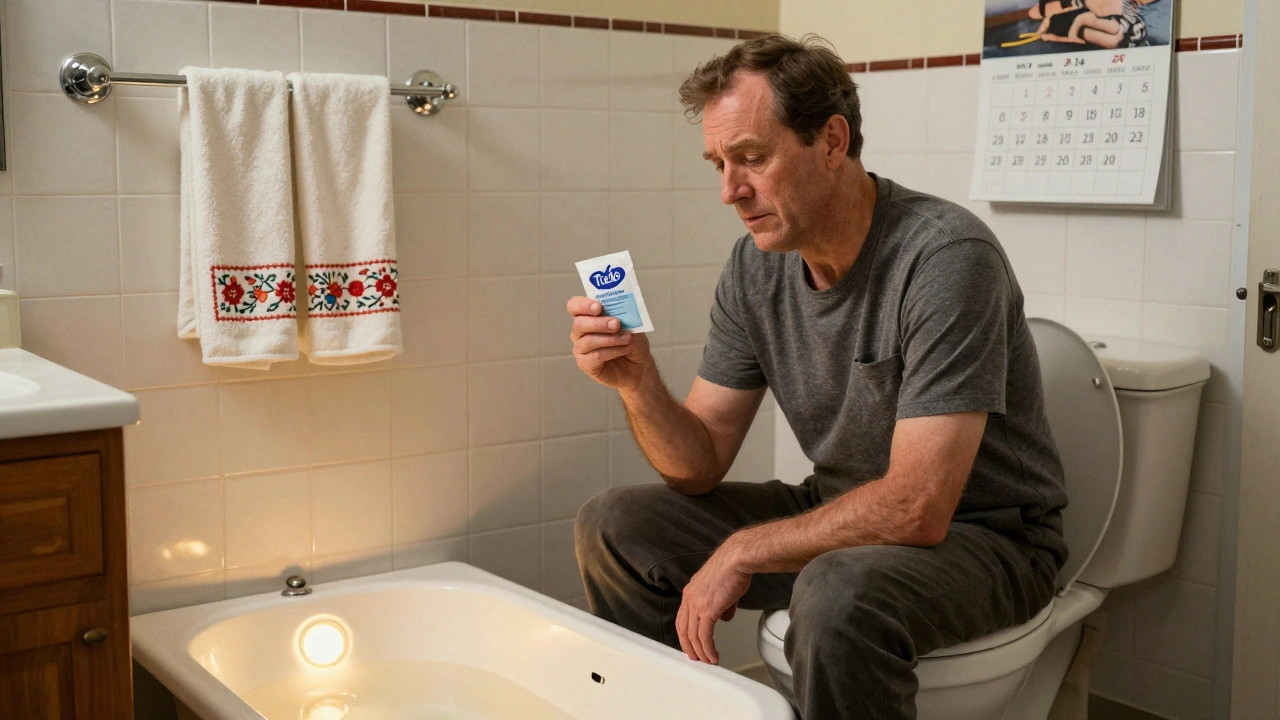
OTC Hemorrhoid Treatments: When to Self-Treat and When to See a Doctor
Most hemorrhoids can be managed at home with OTC treatments, but only if used correctly and for the right duration. Learn which products work best, when to stop self-treating, and when to see a doctor.
view more