OTC Hemorrhoid Treatments: What Works, What to Avoid, and How to Stay Safe
When you're dealing with OTC hemorrhoid treatments, over-the-counter remedies designed to reduce swelling, itching, and pain from hemorrhoids. Also known as hemorrhoid creams or suppositories, they're often the first thing people reach for when discomfort hits. But here’s the truth: not all of them help—and some can make things worse if you use them wrong.
Most hemorrhoid creams, topical products containing ingredients like hydrocortisone, phenylephrine, or lidocaine to numb pain and reduce inflammation work fine for short-term relief. But if you keep using hydrocortisone for more than a week, you risk thinning the skin around your anus. That’s not just uncomfortable—it can lead to infections. Then there’s witch hazel, a natural astringent often found in wipes and pads, used to soothe irritation and reduce swelling. It’s gentle, but if you’re using alcohol-based witch hazel products, you might be drying out the area instead of healing it. And don’t forget stool softeners, oral medications like docusate sodium that help prevent straining during bowel movements, a major trigger for hemorrhoid flare-ups. They’re not a cream or suppository, but they’re just as important. Straining doesn’t just cause hemorrhoids—it makes existing ones bleed and swell more.
People often think if a product is sold over the counter, it’s harmless. But that’s not true. Some OTC hemorrhoid treatments contain strong vasoconstrictors like phenylephrine, which can raise blood pressure. If you have high blood pressure or take heart meds, you could be putting yourself at risk. And if you’re using multiple products at once—cream, wipes, suppositories, oral pills—you might be doubling up on ingredients without realizing it. That’s how side effects sneak up on you.
The best OTC hemorrhoid treatment isn’t always the one with the biggest label or the most promises. It’s the one that matches your symptoms, your health history, and your habits. If you’re constipated, focus on stool softeners and fiber. If it’s burning and itching, a gentle, alcohol-free witch hazel or a low-dose hydrocortisone cream might help. If pain is sharp and constant, lidocaine can give you a few hours of relief—but it won’t fix the root problem. And if nothing’s working after a week, it’s not stubborn hemorrhoids. It might be something else entirely—like an anal fissure, abscess, or even a sign of something more serious.
What you’ll find below are real, practical reviews of what works and what doesn’t. No fluff. No marketing hype. Just what people actually experience with common OTC hemorrhoid treatments, backed by safety warnings, ingredient breakdowns, and tips to avoid the most common mistakes. Whether you’re dealing with a flare-up after a long flight, postpartum discomfort, or years of chronic issues, there’s something here that’ll help you take control—without risking more harm.
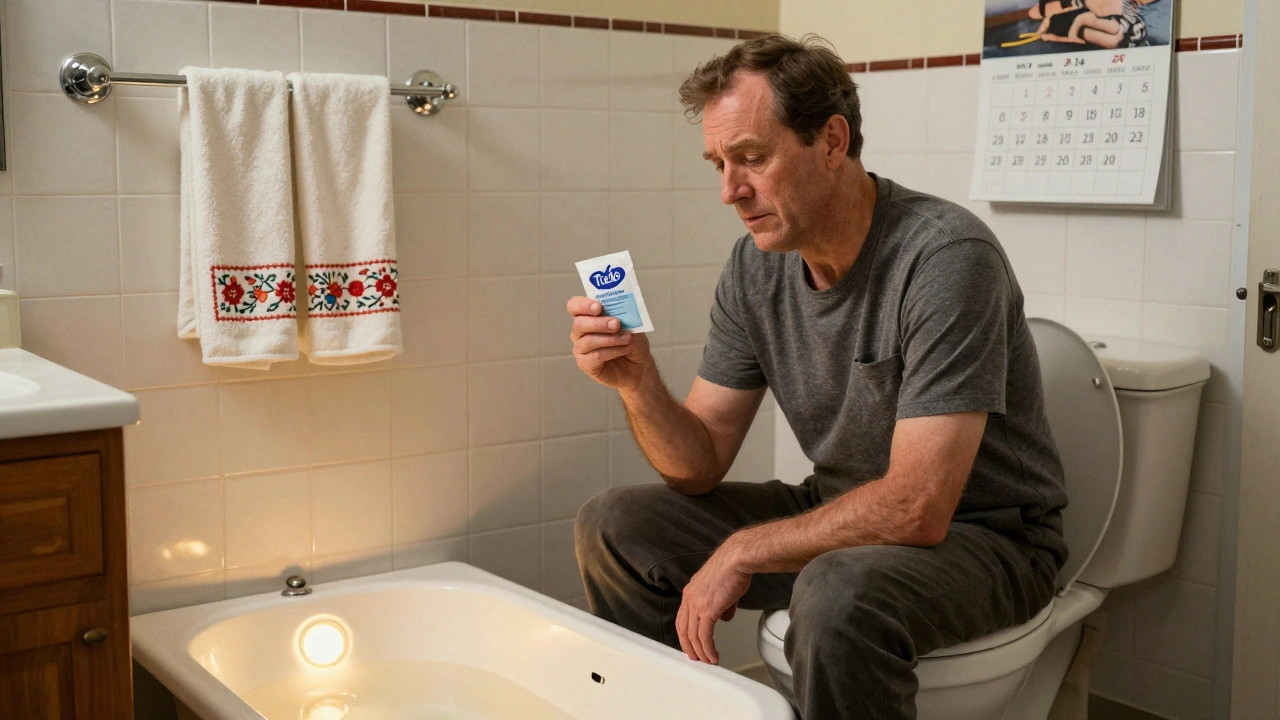
OTC Hemorrhoid Treatments: When to Self-Treat and When to See a Doctor
Most hemorrhoids can be managed at home with OTC treatments, but only if used correctly and for the right duration. Learn which products work best, when to stop self-treating, and when to see a doctor.
view more