Peptic Ulcer: Causes, Treatments, and Medications That Can Make It Worse
A peptic ulcer, a sore in the lining of the stomach or upper small intestine. Also known as stomach ulcer, it’s not caused by stress or spicy food like many think — it’s usually from a bacteria called H. pylori or long-term use of NSAIDs like ibuprofen or aspirin.
These ulcers don’t just hurt — they can bleed, block food from passing through, or even burst. That’s why knowing what’s behind the burn in your stomach matters. H. pylori infects half the world’s population, but most never know it. When it breaks down the protective mucus layer in your gut, acid eats away at the tissue underneath. Meanwhile, NSAIDs block the enzymes that protect your stomach lining, leaving it open to damage. Even a daily aspirin for heart health can be a silent trigger. And here’s the catch: many people keep taking these drugs because they don’t connect their pain to what’s in their medicine cabinet.
Thankfully, peptic ulcers are treatable. Most cases clear up with a short course of antibiotics to kill H. pylori, paired with acid-reducing drugs like proton pump inhibitors. These meds — think omeprazole or pantoprazole — shut down acid production so your lining can heal. But here’s what most guides miss: if you’re on long-term painkillers or have other conditions like arthritis or heart disease, you might need ongoing protection. It’s not enough to treat the ulcer — you need to prevent it from coming back. That means talking to your doctor about safer alternatives to NSAIDs, checking if your other meds interact with ulcer treatments, and knowing when to stop ignoring that gnawing pain.
The posts below cover exactly these real-world scenarios: how certain drugs like antidepressants or antibiotics can worsen ulcers, why some people heal faster than others, what to do if your pain returns after treatment, and how to spot the warning signs before it turns dangerous. You’ll find clear advice on managing symptoms at home, understanding test results, and making smarter choices with your meds — no fluff, no guesswork.
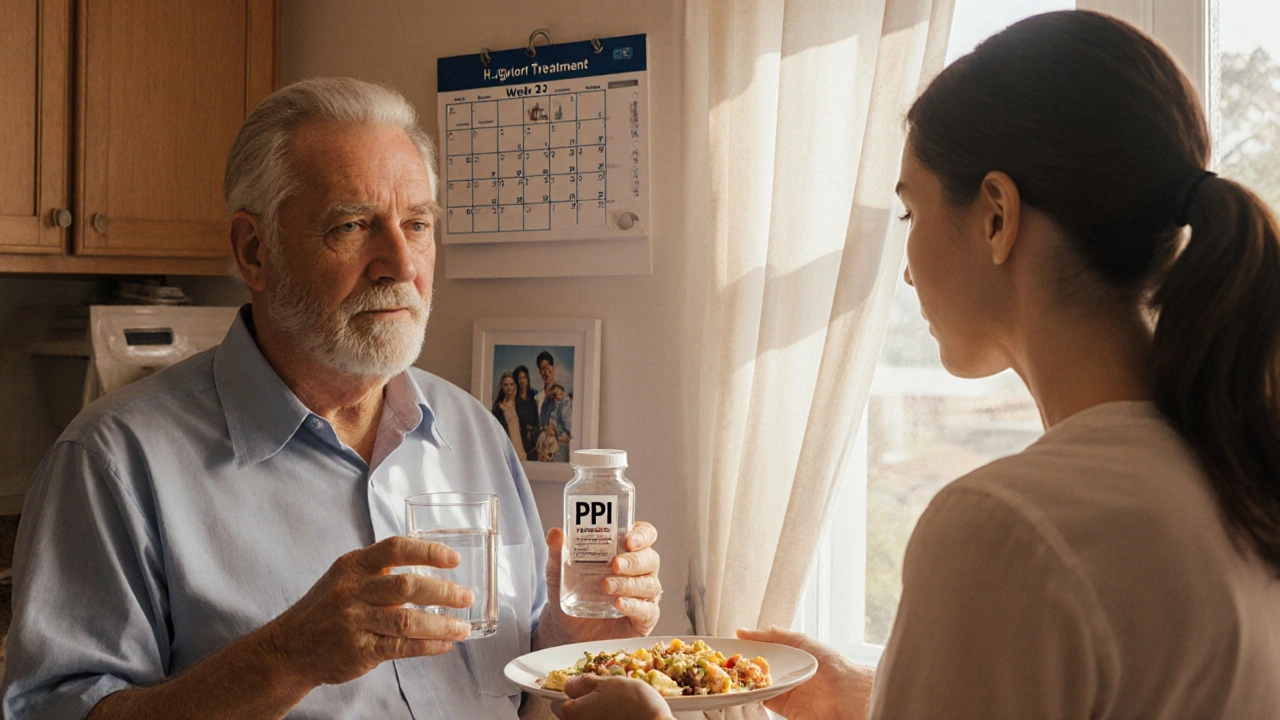
Peptic Ulcer Disease: What Causes It and How Antibiotics and Acid Reducers Fix It
Peptic ulcer disease is most often caused by H. pylori bacteria or NSAID use. Learn how antibiotics and acid-reducing medications like PPIs cure ulcers, prevent recurrence, and what lifestyle changes help healing.
view more