PPIs: What They Are, How They Work, and What You Need to Know
When you take a PPIs, proton pump inhibitors are medications that block acid production in the stomach. Also known as proton pump inhibitors, they’re among the most prescribed drugs in the world—for good reason. They work fast, they work well, and for many people, they turn unbearable heartburn into a distant memory. But here’s the catch: they’re not just harmless pills you pop when you feel a little burn. These drugs change how your stomach functions long-term, and that comes with real trade-offs.
PPIs don’t just calm heartburn—they shut down the main acid-producing cells in your stomach lining. That’s why they’re so effective for GERD, gastroesophageal reflux disease, a chronic condition where stomach acid flows back into the esophagus. But when acid drops too low for too long, your body starts compensating. Digestion slows, bacteria overgrow, and your gut loses its natural defenses. That’s why long-term users often report bloating, nutrient deficiencies, or even bone fractures. And it’s not just your stomach. Low acid affects how your body absorbs calcium, magnesium, and vitamin B12. Some studies show a link between prolonged PPI use and higher risk of kidney problems and infections like C. diff.
It’s not all bad news. For people with severe ulcers, Barrett’s esophagus, or those on daily NSAIDs, PPIs are lifesavers. But for millions who take them on and off for years because they "just feel better," the risks might outweigh the benefits. The real question isn’t whether PPIs work—it’s whether you still need them. Many people can taper off safely with diet changes, weight loss, or even simpler meds like H2 blockers. And if you’re on a PPI because your doctor said "just try it for two weeks," but you’ve been on it for two years, it’s time to ask why.
In this collection, you’ll find real-world stories and science-backed advice on how PPIs interact with other drugs, what side effects no one talks about, and how to know when it’s safe to stop. You’ll see how they connect to things like acid reflux, a condition often mistaken for simple indigestion, but which can signal deeper issues if left unmanaged, and how they affect everything from your gut microbiome to your bone density. These aren’t theoretical concerns—they’re the kind of things people learn the hard way. The posts here give you the tools to make smarter choices, whether you’re just starting out or trying to get off PPIs for good.
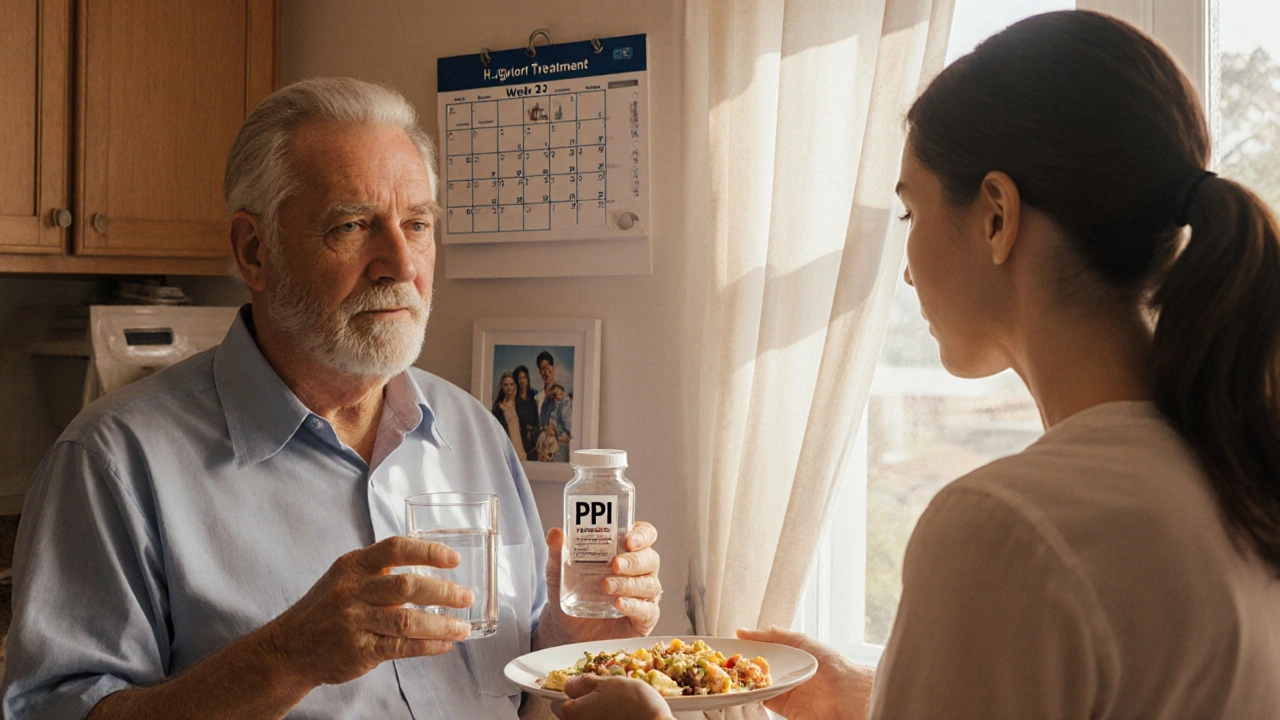
Peptic Ulcer Disease: What Causes It and How Antibiotics and Acid Reducers Fix It
Peptic ulcer disease is most often caused by H. pylori bacteria or NSAID use. Learn how antibiotics and acid-reducing medications like PPIs cure ulcers, prevent recurrence, and what lifestyle changes help healing.
view more