How to Recognize OCD in Kids
When working with Recognizing OCD in Kids, identifying obsessive‑compulsive disorder in children involves spotting repetitive thoughts and rituals that interfere with daily life. Also known as Childhood Obsessive‑Compulsive Disorder, it often hides behind typical kid behavior, making early detection crucial.
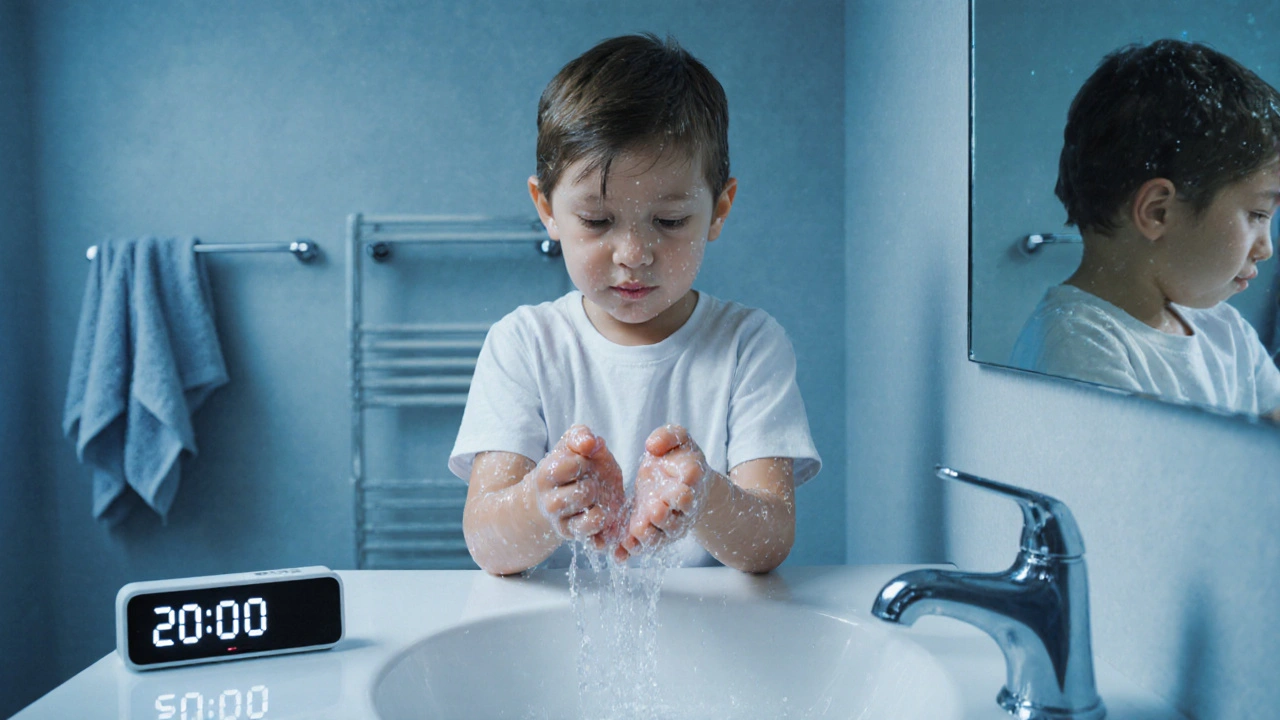
The first step is to notice the Symptoms, persistent intrusive thoughts and time‑consuming compulsions like excessive hand‑washing, checking, or arranging objects. Children may not label these actions as "obsessions"; instead they describe a strong urge they can’t ignore. When you see a child spending more than an hour each day on a ritual, that’s a red flag. Other clues include distress when a routine is broken, avoidance of school or social events, and a sudden drop in grades.
Once symptoms surface, Screening Tools, standard questionnaires such as the CY‑BOCS or the OCI‑Kids help clinicians quantify severity and differentiate OCD from normal development, become essential. A pediatrician or child psychologist will ask about the frequency, intensity, and impact of the behaviors. This step ensures that what looks like a quirky habit isn’t an underlying disorder. Early, accurate screening speeds up referral to specialized care, which improves long‑term outcomes.
While recognizing the signs is vital, effective treatment hinges on Cognitive Behavioral Therapy, especially the exposure‑and‑response‑prevention (ERP) technique that gently teaches kids to tolerate anxiety without performing rituals. ERP is the gold standard for pediatric OCD and can be combined with low‑dose SSRIs when symptoms are severe. Therapy sessions focus on breaking the obsession–compulsion cycle, building coping skills, and gradually expanding the child’s comfort zone.
Medication alone rarely fixes the problem; it works best alongside therapy. Doctors may prescribe selective serotonin reuptake inhibitors such as fluoxetine or sertraline, adjusting doses based on age and weight. Monitoring side effects is crucial because children can be sensitive to changes in appetite, sleep, or mood. Regular follow‑ups keep the treatment plan on track and allow tweaks when progress stalls.
Recovery doesn’t happen in a vacuum. Family Support, provides the structure, encouragement, and patience needed for a child to practice new habits at home, dramatically influences outcomes. Parents can learn to avoid accommodation—like letting a child skip bedtime routines to prevent a ritual—while offering praise for effort. Schools also play a role; informing teachers about the diagnosis helps them offer accommodations, such as extra time for assignments or a quiet space for anxiety‑reduction exercises.
In many cases, kids who receive early, comprehensive care go on to lead typical lives with minimal lingering symptoms. The key takeaway is that spotting obsessive‑compulsive patterns early, using proper screening, and pairing therapy with supportive environments offers the best chance for lasting improvement. If you suspect a child you know may be struggling, don’t wait—consult a health professional who can run the appropriate assessment.
Below you’ll find a curated selection of articles that dive deeper into each of these areas: symptom checklists, detailed guides on therapy techniques, medication overviews, and practical advice for families navigating the journey. Explore the resources to empower yourself with the knowledge needed to recognize OCD in kids and guide them toward healthier habits.
Recognizing Early Signs of OCD in Children
Learn how to spot the early signs of OCD in children, differentiate from normal habits, and get practical steps for parents, schools, and professionals.
view more