Symptoms – Your Body’s Early Warning System
When you hear about Symptoms, the subjective sensations or observable changes that signal an underlying health issue. Also known as clinical signs, symptoms are the first clues that the body sends when something’s off. They span everything from a mild stomach ache after a bad meal to intense chest pressure that could hint at a clot. In everyday life, recognizing these cues helps you decide whether a simple home remedy will do or if you need a doctor’s eye. Symptoms encompass a wide range of experiences, and understanding them sets the stage for accurate diagnosis and effective treatment.
Why Diagnosis Depends on Symptoms
Medical professionals rely on Diagnosis, the systematic process of identifying a disease based on symptoms, tests, and patient history to pinpoint the exact problem. When you describe a burning sensation after meals, doctors think of Diseases, specific health conditions like acid reflux, food poisoning, or cardiovascular issues that could cause that feeling. The link is clear: symptoms require diagnosis, and diagnosis influences the next steps. For instance, the sudden onset of chest congestion might lead to testing for acid reflux versus a respiratory infection. By matching the right symptom pattern to the correct disease, clinicians can choose the most suitable treatment plan, reducing guesswork and improving outcomes.
Once a diagnosis is set, Treatment, the medical or lifestyle interventions designed to alleviate symptoms and address the root cause comes into play. Knowing whether you’re dealing with a blood clot, a urinary retention issue, or an infection changes the medicines, doses, or therapies you’ll use. For example, spotting early food poisoning symptoms like nausea and cramps can prompt quick rehydration and antibiotics, while recognizing the tell‑tale signs of a blood clot—leg swelling, sudden pain—might trigger anticoagulant therapy. Across our collection, you’ll find guides that break down symptom recognition for conditions such as hypertension, OCD in children, and skin infections, all aimed at helping you act fast and smart. Understanding how symptoms, diagnosis, and treatment interlock equips you with the confidence to manage health challenges before they escalate.
Below, you’ll discover a curated set of articles that dive deeper into specific symptom profiles, explain how they point to particular diseases, and outline actionable steps you can take. From spotting the subtle signs of a clot to differentiating normal childhood habits from early OCD cues, these pieces give you the practical knowledge to turn symptom awareness into better health decisions.
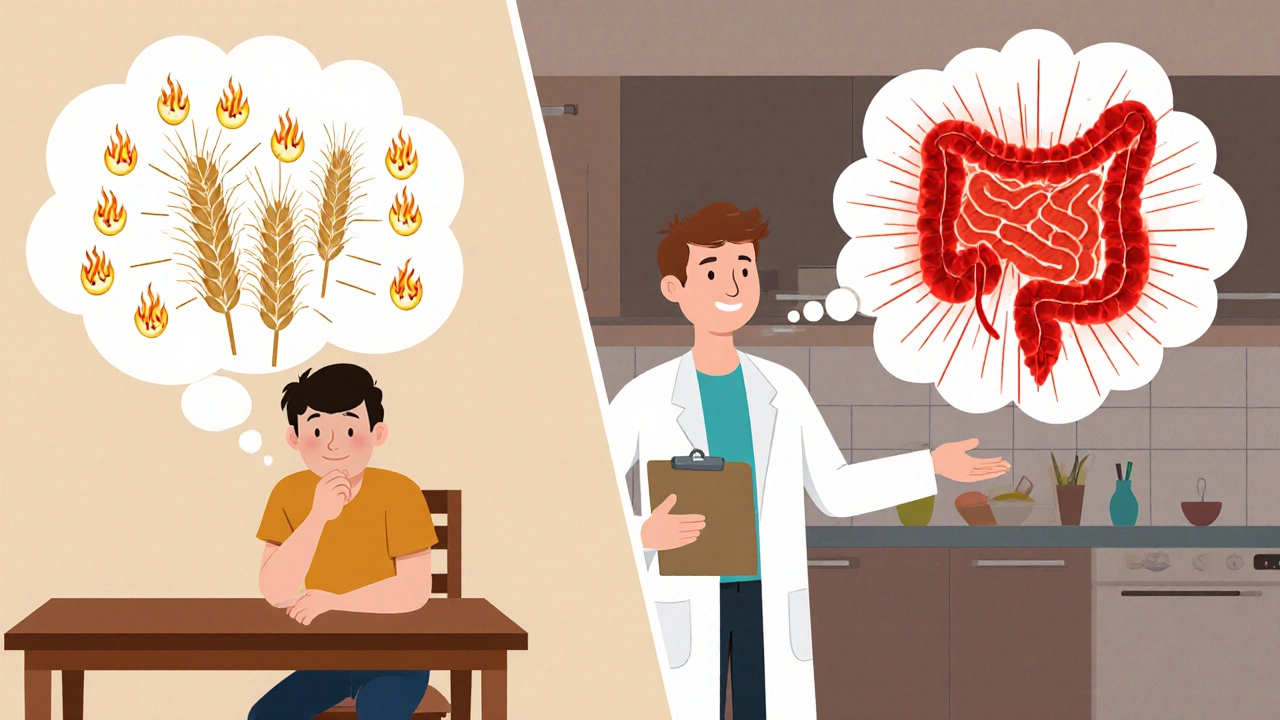
Crohn's Disease & Gluten Intolerance: Signs, Tests, and Diet Tips
Explore how gluten intolerance may affect Crohn's disease, learn symptoms to track, testing methods, diet tips, and when to seek medical help.
view more