Testosterone Booster: What It Is and Why It Matters
When working with Testosterone Booster, a product or regimen aimed at raising the body’s testosterone levels. Also known as testosterone enhancer, it helps men, athletes, and anyone with low hormone levels improve energy, mood, and muscle growth, you’re stepping into a space that touches several related concepts. One key related entity is Anabolic Steroid, a synthetic hormone that mimics testosterone’s effects and often requires a prescription. Another is Natural Supplement, plant‑based or nutraceutical products that support the body’s own testosterone production. Finally, Hormone Replacement Therapy, medical treatment that supplies testosterone to restore normal levels connects clinical practice with everyday supplementation. Testosterone booster encompasses these sub‑topics, requires understanding of hormone pathways, and influences muscle growth, libido, and overall vitality.
How Testosterone Boosters Work and What to Expect
At its core, a testosterone booster targets the endocrine system’s production line. Natural supplements often contain zinc, vitamin D, or D‑aspartic acid, which act as catalysts to signal the testes to release more hormone. Prescription steroids bypass the body’s regulation and flood the bloodstream, while hormone replacement therapy delivers a steady dose through gels, patches, or injections. The mechanism links directly to the androgen receptor—the cellular lock that testosterone fits into to trigger protein synthesis and muscle repair. Because the receptor can be up‑ or down‑regulated, the effectiveness of any booster depends on dosage, timing, and individual sensitivity. For example, a 30‑year‑old with mild low‑T may see noticeable energy lifts from a zinc‑rich supplement, whereas a bodybuilder chasing rapid gains might opt for a medically supervised anabolic steroid cycle. Understanding these attributes—source, delivery method, and receptor interaction—helps you predict outcomes and avoid unwanted side effects.
Benefits and risks travel side by side. On the plus side, increased testosterone can boost lean muscle mass, improve bone density, sharpen focus, and enhance mood. Athletes often report faster recovery and stronger performance, while older men notice better libido and fewer fatigue episodes. However, the flip side includes potential cardiovascular strain, altered cholesterol profiles, acne, and, in the case of steroids, liver toxicity or hormonal imbalance. Hormone replacement therapy carries its own concerns: mood swings, sleep apnea, and the need for regular monitoring. Choosing the right approach means weighing what matters most—speed, safety, or natural balance—and consulting a health professional. Look for products that provide third‑party testing, clear ingredient lists, and dosage guidelines. If you decide on a medical route, ensure you have lab results and a clear treatment plan.
Now that you have a solid grasp of what a testosterone booster is, how it functions, and the trade‑offs involved, the next step is to dive into the resources below. You’ll find detailed guides on specific supplements, safety tips for using anabolic steroids, and advice on navigating hormone therapy. Whether you’re curious about natural options or need clinical insight, this collection aims to give you practical, trustworthy information to make an informed choice.
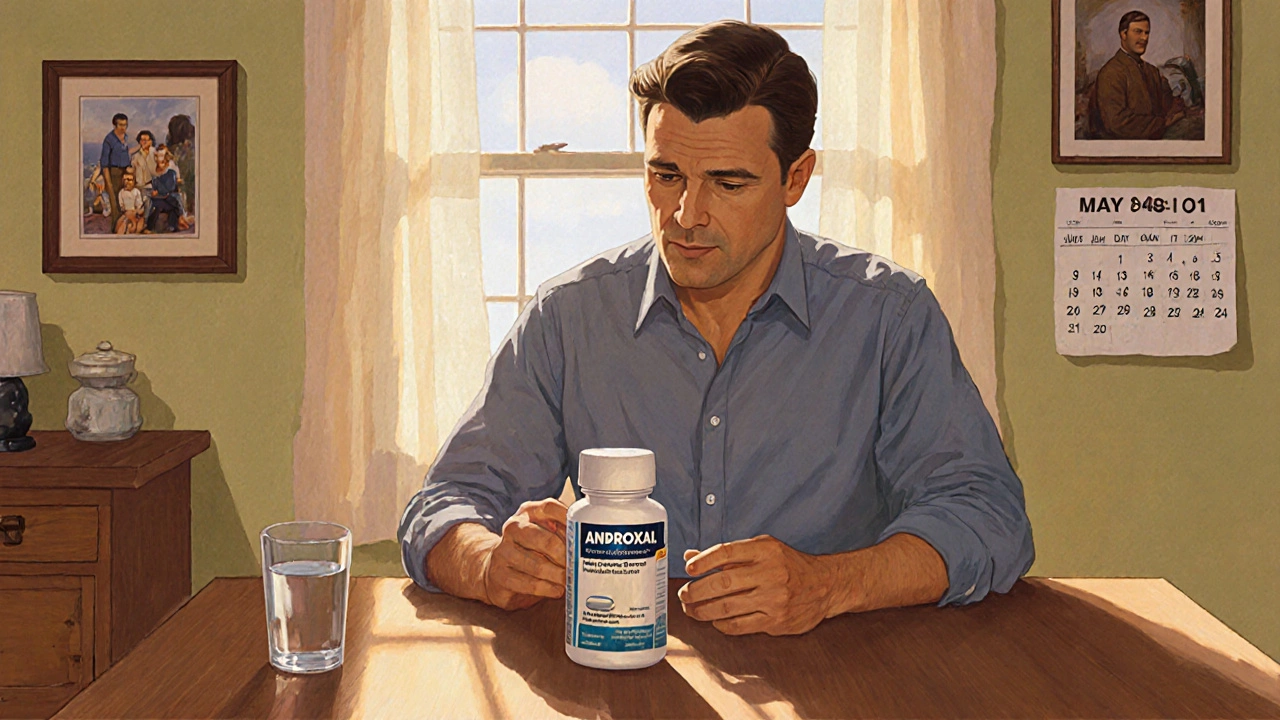
Androxal (Enclomiphene) vs Other Testosterone Boosters: Detailed Comparison
A comprehensive guide comparing Androxal (enclomiphene) with other testosterone‑boosting options, covering mechanisms, dosages, side effects, and how to pick the right one.
view more