When to See Doctor for Hemorrhoids: Signs You Can't Ignore
When you're dealing with hemorrhoids, swollen veins in the rectum or anus that cause itching, pain, or bleeding. Also known as piles, they’re common, often harmless, and usually go away on their own. But when they don’t, or when something else is going on, ignoring them can hide a bigger problem. Most people think hemorrhoids are just a nuisance, but if you’re seeing blood in your stool, feeling sharp pain, or noticing a lump that won’t go away, it’s not just about comfort—it’s about safety.
Rectal bleeding is the biggest red flag. Yes, hemorrhoids can cause it, but so can colon polyps, inflammatory bowel disease, or even colorectal cancer. If you’re over 45, or if the bleeding is new, heavy, or happens with changes in bowel habits, you need a doctor. Same goes for pain that keeps getting worse, especially if it stops you from sitting, walking, or going to the bathroom. A swollen lump that feels hard or turns purple? That could be a strangulated hemorrhoid—a medical emergency. And if you’ve tried over-the-counter creams, sitz baths, and fiber supplements for more than a week with no improvement, you’re not just being picky—you’re being smart.
Doctors don’t just diagnose hemorrhoids. They rule out other conditions. A simple rectal exam or anoscopy can tell you if it’s just swollen veins—or something else. If you’re on blood thinners, have a history of colon issues, or are losing weight without trying, skipping the doctor isn’t bravery, it’s risk. You don’t need to wait until it’s unbearable. Early checks mean simpler fixes, less pain, and fewer surprises.
What you’ll find below are real cases and clear advice from people who’ve been there. From how to tell if your bleeding is harmless to when a lump needs surgery, these posts cover what actually matters. No fluff. No guesswork. Just what to watch for, what to ask, and when to act.
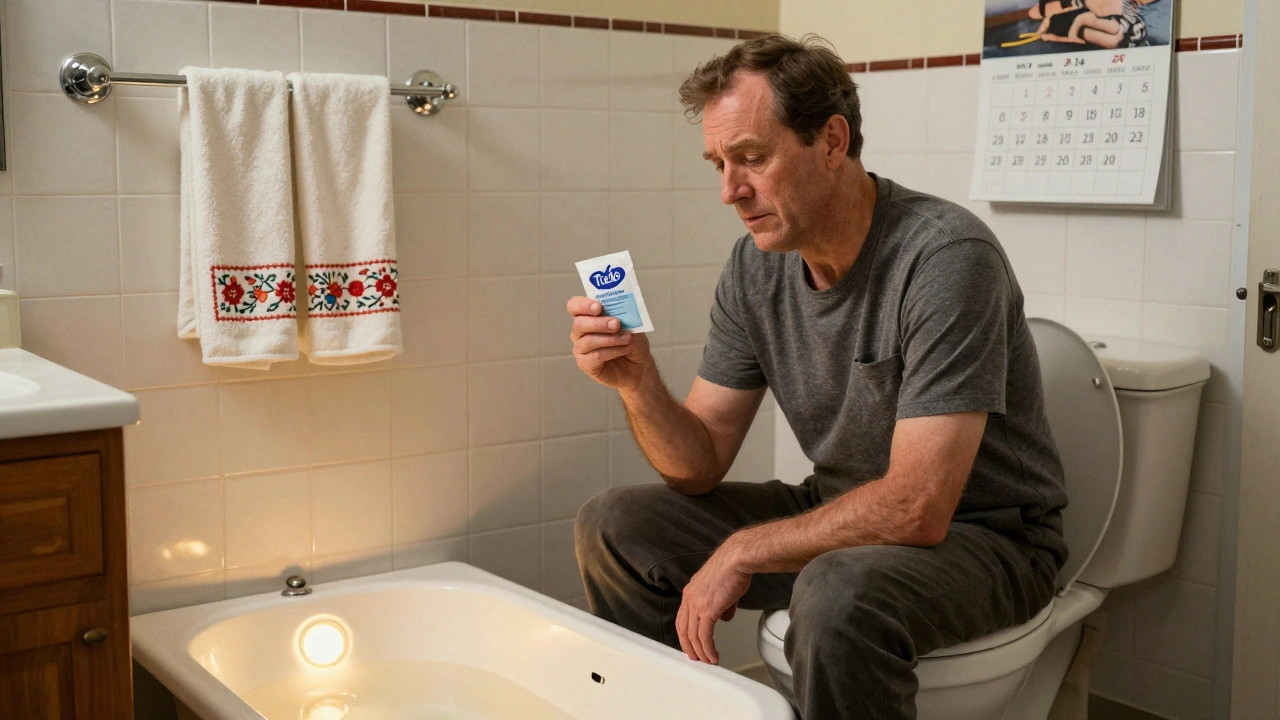
OTC Hemorrhoid Treatments: When to Self-Treat and When to See a Doctor
Most hemorrhoids can be managed at home with OTC treatments, but only if used correctly and for the right duration. Learn which products work best, when to stop self-treating, and when to see a doctor.
view more