Witch Hazel for Hemorrhoids: What Works, What Doesn’t, and What to Watch For
When it comes to witch hazel for hemorrhoids, a natural astringent derived from the leaves and bark of the witch hazel shrub, commonly used in topical creams and wipes to reduce swelling and irritation. Also known as Hamamelis virginiana, it’s been a go-to for generations looking for quick relief without prescription drugs. But here’s the thing: it doesn’t fix the root problem. It just cools the burn, tightens the skin, and masks the discomfort—like putting a bandage on a leaky pipe.
People reach for witch hazel because it’s gentle, widely available, and feels soothing. But not all products are equal. Some wipes and creams contain alcohol, fragrances, or preservatives that can irritate sensitive skin even more. If you’ve got broken skin or an external hemorrhoid that’s raw, alcohol-based witch hazel might sting worse than the hemorrhoid itself. Look for alcohol-free versions if you’re using it regularly. And don’t assume natural means safe—overuse can dry out the area and make itching worse.
There’s no strong clinical evidence that witch hazel shrinks hemorrhoids or speeds healing. A 2018 review in the Journal of Clinical and Aesthetic Dermatology found only minor, short-term symptom relief in small studies. It doesn’t reduce bleeding, doesn’t stop prolapse, and won’t replace dietary fiber or sitz baths. For internal hemorrhoids, it’s practically useless—you can’t reach them with a wipe. But for external swelling, redness, or itching after a bowel movement? Many users swear by it. The tannins in witch hazel act as a mild astringent, temporarily tightening blood vessels and reducing fluid buildup. That’s it. No magic. Just temporary comfort.
What’s missing from most witch hazel discussions? The bigger picture. Hemorrhoids don’t appear out of nowhere. They’re usually caused by straining, constipation, sitting too long, or pregnancy. If you’re relying on witch hazel every day, you’re treating the symptom, not the cause. That’s why so many people keep coming back to it—because the problem keeps coming back. You need to fix your diet, drink more water, move more, and avoid holding it in. No topical solution changes that.
And here’s something few mention: witch hazel can interact with other treatments. If you’re using hydrocortisone cream, lidocaine patches, or even over-the-counter hemorrhoid suppositories, layering on witch hazel might alter absorption or cause irritation. It’s not a drug interaction like warfarin and turmeric, but it’s still something to watch. Always let your pharmacist know what you’re using topically—especially if you’re dealing with chronic issues.
What you’ll find in the posts below aren’t just stories about witch hazel. They’re real, practical guides on what actually works for hemorrhoids and what doesn’t. You’ll see how to choose the right OTC products, when to skip home remedies entirely, and how to avoid making things worse with well-meaning but harmful habits. There’s also advice on when to see a doctor—because sometimes, what feels like a hemorrhoid is something else entirely.
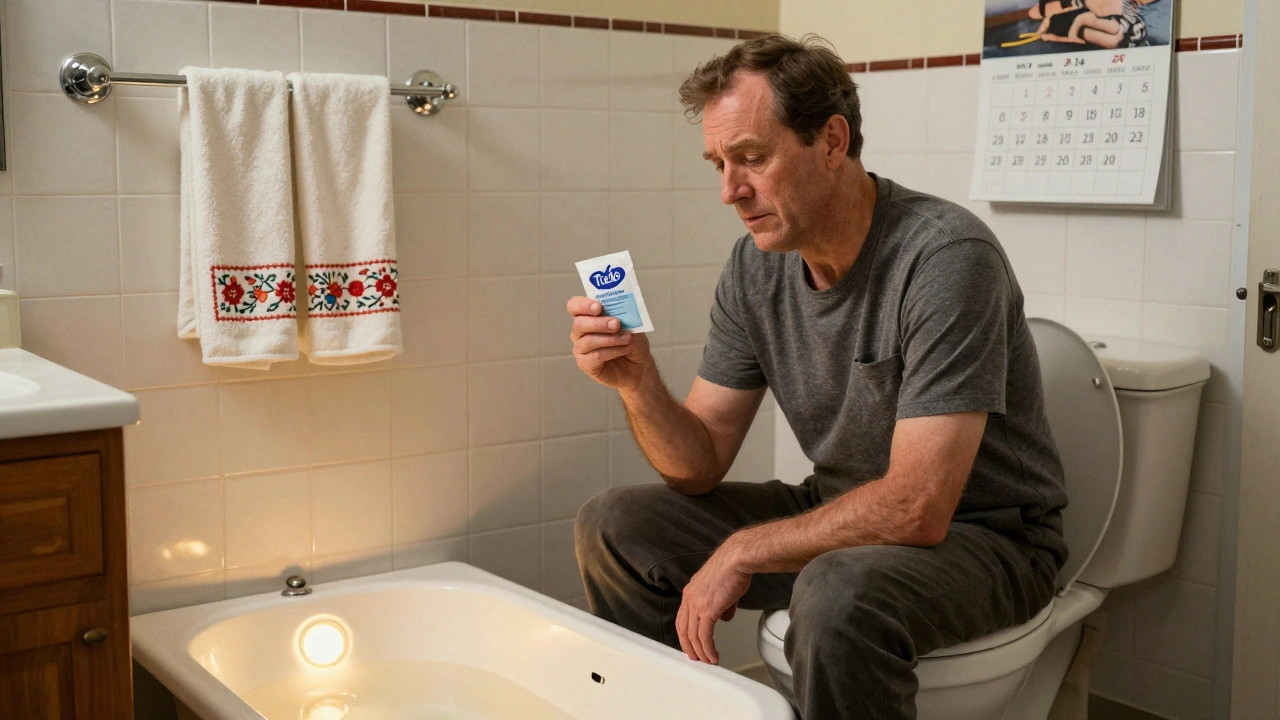
OTC Hemorrhoid Treatments: When to Self-Treat and When to See a Doctor
Most hemorrhoids can be managed at home with OTC treatments, but only if used correctly and for the right duration. Learn which products work best, when to stop self-treating, and when to see a doctor.
view more