Acute Angle-Closure Glaucoma: Causes, Risks, and What You Need to Know
When acute angle-closure glaucoma, a sudden blockage of fluid drainage in the eye that causes rapid pressure buildup. Also known as closed-angle glaucoma, it’s not a slow, silent threat—it’s a medical emergency that can steal your vision in hours. Unlike open-angle glaucoma, which creeps up over years, this type hits fast. The iris swells and blocks the drainage angle where fluid normally exits the eye. Pressure spikes. Nerves get crushed. Without treatment, permanent blindness can happen before you even get to the doctor.
This isn’t rare. It’s more common in people over 60, women, and those with Asian or Inuit ancestry. If you’re farsighted, your eye’s anatomy makes you more prone to it. Certain drugs can trigger it too—like decongestants, antihistamines, or even some antidepressants. Even sitting in a dark movie theater or getting dilated pupils for an eye exam can set it off in someone already at risk. That’s why knowing the symptoms matters more than waiting for a routine checkup.
You’ll know it when it hits: intense eye pain, blurred vision, halos around lights, headache, nausea, vomiting. It’s not just a bad headache—it’s your eye screaming. The pupil might look fixed and dilated. Your eye will feel hard as a rock. If you’ve got these symptoms, don’t wait. Don’t call your doctor tomorrow. Go to the ER now. Every minute counts.
Doctors treat this with drops to shrink the pupil, pills to reduce fluid, and sometimes a laser procedure called iridotomy to create a new drainage path. But prevention is better than emergency care. If you’re over 40, especially with risk factors, ask your eye doctor about a simple test called gonioscopy. It checks the drainage angle before anything goes wrong.
What you’ll find in the posts below isn’t just theory—it’s real-world guidance. You’ll see how medications like phenytoin, a seizure drug that can affect how other medications work interact with eye pressure meds, why opioids, painkillers that can cause pupil changes and slow breathing need caution in glaucoma patients, and how antihistamines, common allergy drugs that can trigger angle closure might be riskier than you think. There’s also advice on what to do if you’re on multiple drugs and how to talk to your pharmacist about hidden dangers. This isn’t about guessing. It’s about knowing what to watch for, what to ask, and when to act.
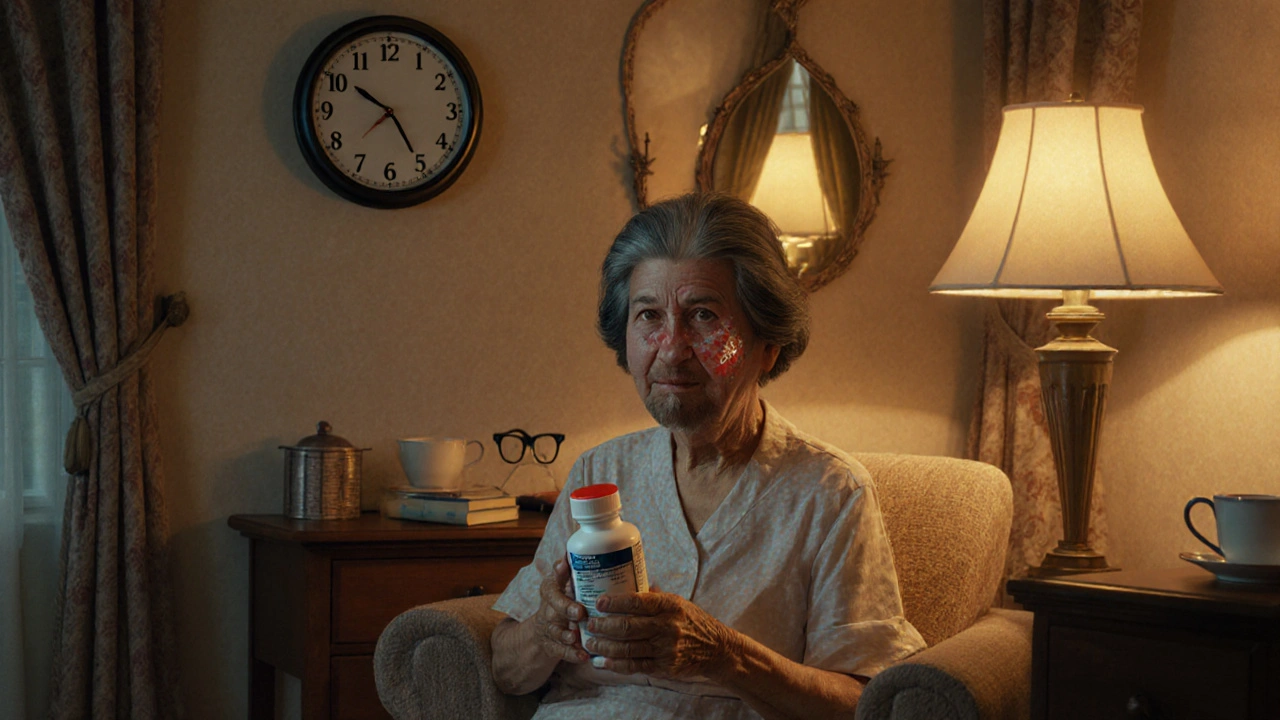
Medication-Induced Acute Angle-Closure Glaucoma: What You Need to Know Before Taking Common Drugs
Medications like decongestants, antihistamines, and antidepressants can trigger sudden, sight-threatening eye pressure spikes in people with narrow eye angles. Learn the warning signs, risk factors, and how to prevent permanent vision loss.
view more