Biosimilar Effectiveness: What You Need to Know About Cost-Saving Alternatives
When you hear biosimilar effectiveness, the real-world performance of biologic drugs that are highly similar to an already approved reference product. Also known as generic biologics, these medications are designed to work just like the original brand-name drugs—but at a fraction of the cost. Unlike regular generics, which are simple chemical copies, biosimilars are complex proteins made from living cells. That’s why their approval process is stricter, and why their effectiveness isn’t just a marketing claim—it’s backed by clinical data from thousands of patients.
Doctors and pharmacists are increasingly recommending biosimilars for conditions like rheumatoid arthritis, Crohn’s disease, and certain cancers. Why? Because studies show they match the original biologics in safety, potency, and how long they last in the body. Take infliximab, a biologic used to treat autoimmune diseases by blocking TNF-alpha—its biosimilar versions have been used in over 100,000 patients with no meaningful difference in outcomes. The same goes for adalimumab, a widely prescribed biologic for psoriasis and arthritis. The FDA and European regulators require biosimilars to prove they produce the same immune response and clinical results as the original. No guessing. No shortcuts.
But effectiveness isn’t just about science—it’s about access. Many patients skip their biologic because of the price, which can hit $20,000 a year. Biosimilars often cost 15% to 35% less, and sometimes even more. That’s not just savings—it’s survival. A 2023 study in the Journal of Managed Care & Specialty Pharmacy found that switching to biosimilars didn’t increase hospital visits or treatment failures. In fact, more people stayed on therapy because they could afford it. And if you’ve been on a brand-name biologic for years, switching isn’t risky. Real-world data from the U.S. and Europe shows patients don’t lose control of their disease when they switch, as long as it’s done under medical supervision.
Some worry biosimilars are "second-rate." But think of it like this: if you replace a car’s worn-out battery with a certified replacement part, does the engine run worse? No. The same logic applies here. Biosimilars aren’t knockoffs—they’re rigorously tested alternatives built on the same blueprint. And with more of them hitting the market every year, the options keep growing. You’ll see them for insulin, blood thinners, and even eye injections. The key is knowing when they’re right for you. Not every biosimilar works for every patient, and your doctor should monitor you closely during the switch. But if you’re paying out of pocket, or your insurance pushes you toward a cheaper option, you’re not settling—you’re choosing a proven, safer path.
Below, you’ll find real stories and science-backed advice on how biosimilars compare to brand-name drugs, what to watch for when switching, and how to talk to your provider about cost without sacrificing safety. These aren’t theoretical debates—they’re decisions real people make every day to stay healthy and afford their treatment.
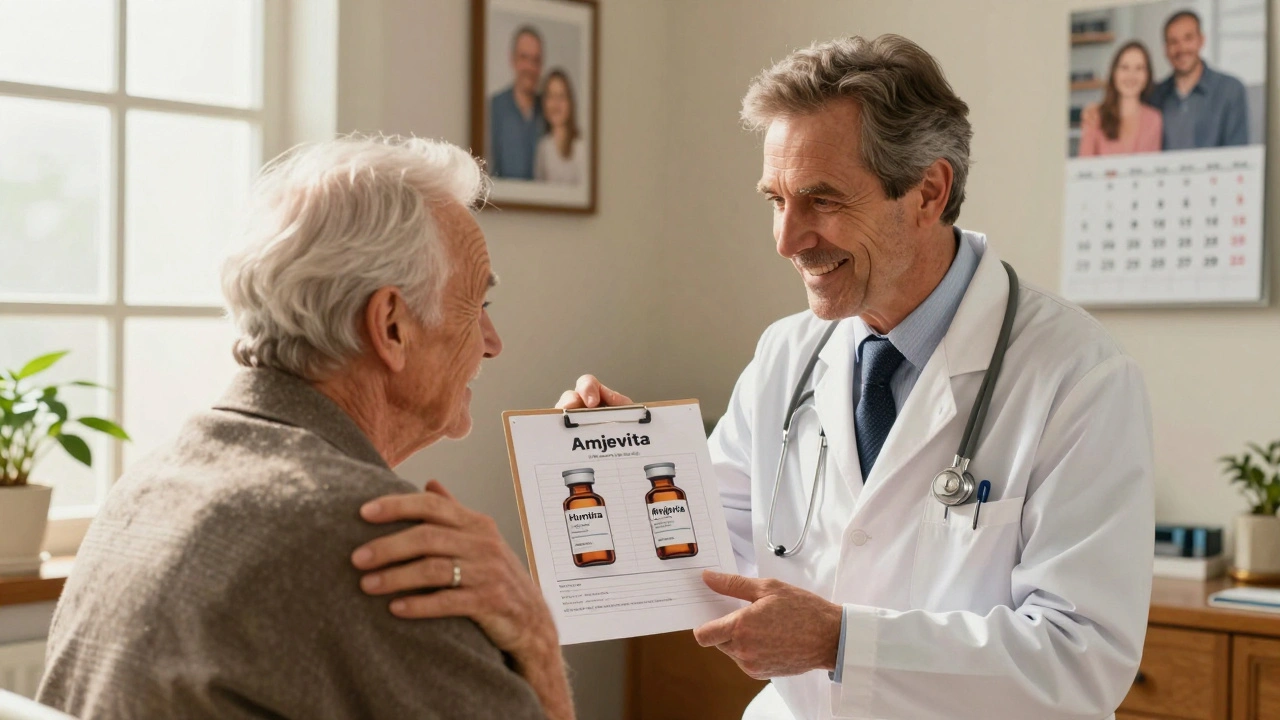
Biosimilar Medications: Are They Safe and Effective? The Real Facts
Biosimilar medications are proven to be as safe and effective as their brand-name biologics, with decades of real-world use and billions of patient doses supporting their use. Learn the facts behind the myths.
view more