Biosimilar Safety: What You Need to Know About Generic Biologics
When you hear biosimilar, a type of medication designed to be highly similar to an already-approved biologic drug, with no clinically meaningful differences in safety or effectiveness. Also known as generic biologics, these drugs are made from living cells—not chemicals—and are used to treat serious conditions like rheumatoid arthritis, cancer, and Crohn’s disease. Unlike regular generics, which copy simple chemical pills, biosimilars are complex. Even tiny changes in how they’re made can affect how your body reacts. That’s why biosimilar safety isn’t just a buzzword—it’s a real concern for doctors, pharmacists, and patients.
Not all biologics have biosimilars yet, but more are coming. The biologic medications, complex drugs made from living organisms, often used for chronic autoimmune or cancer conditions they copy—like Humira, Enbrel, or Remicade—are expensive. Biosimilars offer a way to cut costs, but only if they work just as well and safely. Studies from the FDA and European Medicines Agency show most biosimilars perform the same as the original in clinical trials. But real-world use is different. Some patients report unexpected side effects after switching, especially if they’ve been stable on the brand name for years. That’s why many doctors don’t switch patients without a clear reason and close monitoring.
Another key player in this space is drug interchangeability, the legal status that allows a pharmacy to swap a biosimilar for the brand-name drug without asking the doctor. In the U.S., only a few biosimilars have this status. Interchangeable doesn’t mean safer—it just means the FDA believes the switch won’t change outcomes. But if you’re on a biologic for a serious condition, like inflammatory bowel disease or psoriasis, you might not want to risk an unplanned switch. Always check with your doctor before any change. Even if your insurance pushes for a biosimilar, you have the right to ask for the original if you’re concerned.
What you’ll find in the posts below are real cases and practical advice about how biosimilars fit into everyday care. You’ll see how they compare to brand-name drugs in elderly patients, how side effects can show up months after switching, and why some medications—like insulin or TNF inhibitors—need extra caution. These aren’t theoretical discussions. They’re stories from people who’ve been there, doctors who’ve seen the results, and data that shows what actually happens when you trade cost for convenience.
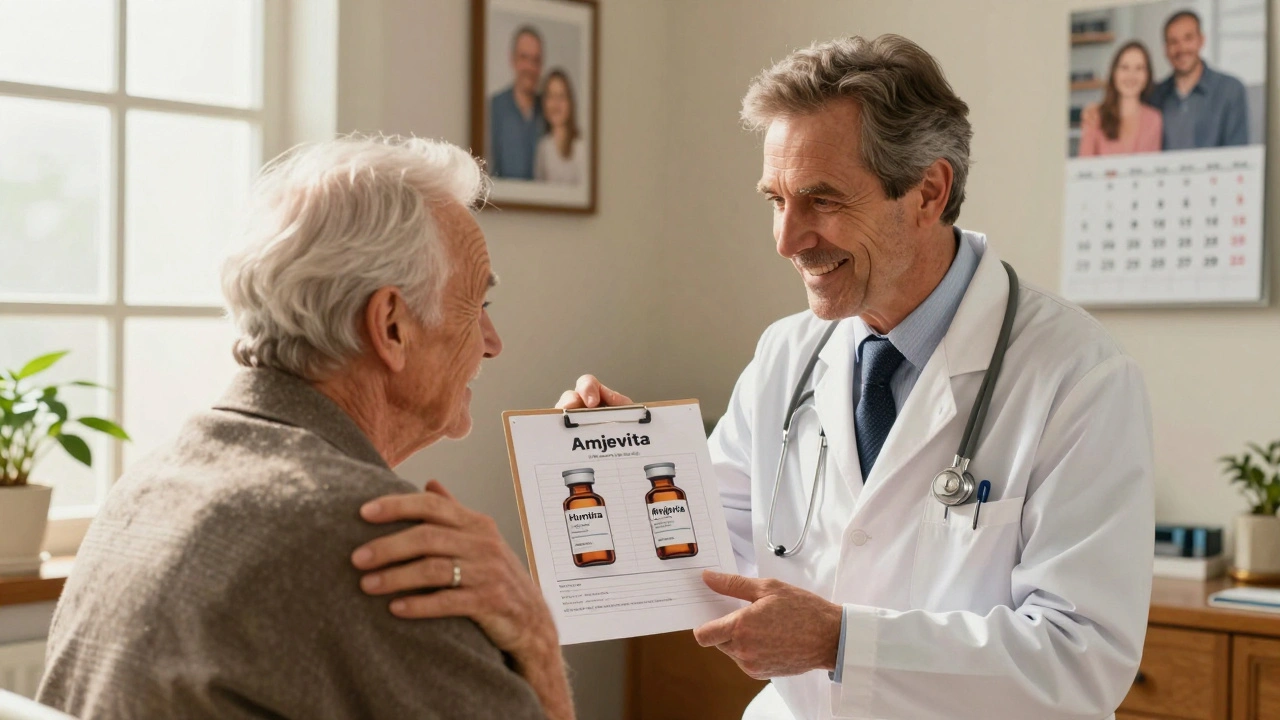
Biosimilar Medications: Are They Safe and Effective? The Real Facts
Biosimilar medications are proven to be as safe and effective as their brand-name biologics, with decades of real-world use and billions of patient doses supporting their use. Learn the facts behind the myths.
view more