Biosimilar vs Reference Drug: What You Need to Know Before Switching
When you hear biosimilar, a biologic medication that is highly similar to an already-approved reference drug, with no clinically meaningful differences in safety or effectiveness. Also known as follow-on biologics, it is not a generic copy—it’s built using living cells, just like the original. The reference drug, the original biologic medication approved by the FDA after years of clinical testing and proven to treat conditions like rheumatoid arthritis, Crohn’s, or cancer is often expensive, sometimes costing thousands per month. That’s where biosimilars come in—they offer the same results at a fraction of the price, but not all switches are simple.
Many people assume biosimilars are like regular generics—same active ingredient, same pill. But that’s not true. biologic drugs, complex molecules made from living organisms, including proteins, antibodies, and vaccines can’t be exactly copied like aspirin or metformin. Even tiny changes in manufacturing can affect how they work in your body. That’s why regulators require extensive testing: biosimilars must match the reference drug in structure, function, and how your body reacts to it. Studies show they work just as well for most patients, but switching isn’t always automatic. Some doctors prefer to keep you on the original, especially if you’re stable. Others see the cost savings as a win—especially for chronic conditions where you take the drug for years.
Real-world data from patients switching from reference drugs to biosimilars shows no drop in effectiveness for most. But there are exceptions. People with autoimmune diseases like rheumatoid arthritis or Crohn’s need close monitoring after a switch. Even small changes in how your body responds can trigger flare-ups. That’s why your doctor won’t just swap your prescription without talking to you first. And if you’ve had bad reactions to other drugs before—like allergies or unexpected side effects—you should speak up. Not every biosimilar is right for every person.
You’ll find posts here that dig into real cases: how elderly patients handled the switch, what happened when someone switched their insulin biosimilar, and why some pharmacists push for authorized generics but hold back on biologics. We cover the hidden rules, the insurance hurdles, and the moments when switching saves money—and when it doesn’t. These aren’t theoretical discussions. They’re stories from people who’ve been there, with side effects, cost savings, and doctor visits that changed everything.
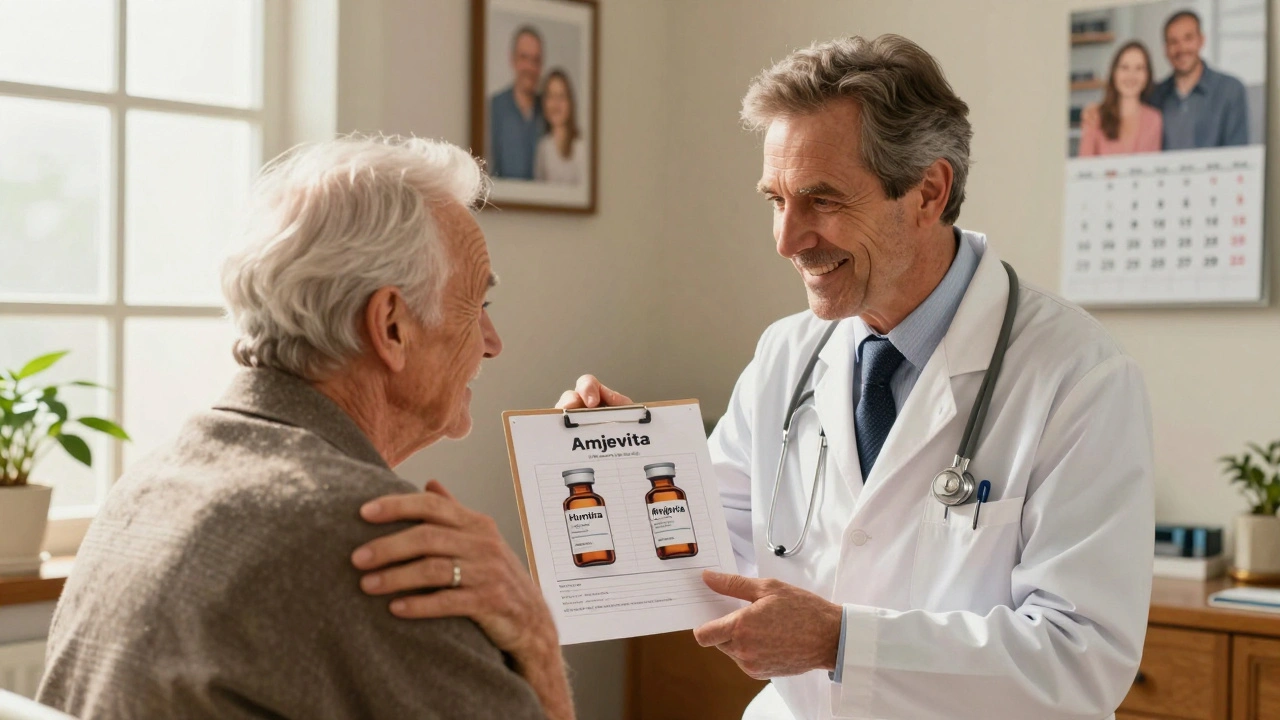
Biosimilar Medications: Are They Safe and Effective? The Real Facts
Biosimilar medications are proven to be as safe and effective as their brand-name biologics, with decades of real-world use and billions of patient doses supporting their use. Learn the facts behind the myths.
view more