Clot Dissolution: Understanding How Blood Clots Break Down
When dealing with clot dissolution, the natural or medically‑induced process that turns a solid clot back into fluid blood. Also known as clot lysis, it plays a central role in preventing heart attacks, strokes, and dangerous blockages. Thrombolytic therapy, a treatment that delivers clot‑dissolving drugs like alteplase speeds up this process, while fibrinolysis, the body's own enzyme‑driven breakdown of fibrin strands works behind the scenes. Meanwhile, anticoagulants, medications that stop new clots from forming keep the vascular system clear as the existing clot is cleared. The whole cascade is tied to reperfusion injury, the tissue damage that can occur when blood flow returns after a blockage. In short, clot dissolution encompasses fibrinolysis, relies on thrombolytic therapy, is supported by anticoagulants, and can trigger reperfusion injury if not managed carefully.
Why These Concepts Matter Together
Understanding how these pieces fit helps you see why a doctor might order a clot‑busting drug after a heart attack but also prescribe a blood thinner for weeks afterward. Clot dissolution is not a stand‑alone event; it requires the right balance of enzymes, drugs, and timing. For instance, thrombolytic therapy accelerates fibrinolysis, yet without anticoagulants the risk of new clots rises quickly. On the other hand, aggressive clot removal can lead to reperfusion injury, making post‑procedure monitoring essential. This interplay shows up in many of our articles below, from the impact of stent thrombosis on sexual health to the latest strategies for managing reperfusion injury in immune disorders.
Below you’ll find a curated list of posts that dive deeper into each of these areas. Whether you’re curious about how clot‑dissolving meds compare, want to learn the latest on managing reperfusion injury, or need practical tips for living with anticoagulant therapy, the collection has something for you. Let’s explore the details together.
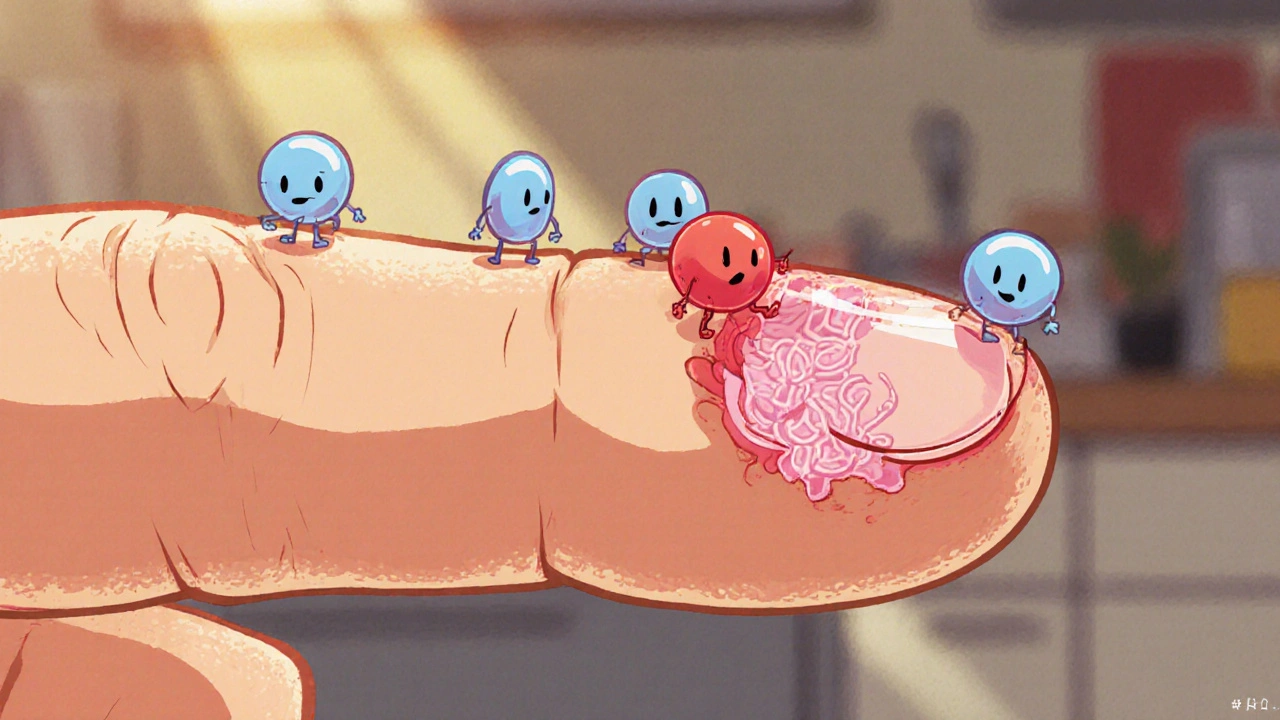
How Blood Clots Form and Dissolve: The Science Explained
Explore how blood clots form, the chemistry behind clot dissolution, and what happens when the process goes wrong, with clear tips to stay healthy.
view more