Critical Drugs: What They Are, Why They Matter, and How to Stay Safe
When we talk about critical drugs, medications that require careful monitoring because even small changes in dose or combination can cause serious harm. Also known as high-alert medications, these are drugs where mistakes aren’t just possible—they’re often deadly. Think blood thinners like warfarin, insulin for diabetes, or opioids for pain. These aren’t ordinary pills. One misstep in timing, dosage, or mixing with another substance—even something as simple as turmeric or black pepper—can lead to internal bleeding, organ failure, or death.
What makes a drug "critical" isn’t just how strong it is, but how tightly its effects are balanced. Drug interactions, when two or more substances change how each other works in the body are the biggest threat. Phenytoin and warfarin? They dance together in a dangerous rhythm—one pushes the other up, then pulls it down, making INR levels swing unpredictably. Magnesium supplements and osteoporosis drugs? If taken within two hours, one blocks the other completely. And it’s not just prescriptions. Biosimilar medications, copies of complex biologic drugs that work just like the original but cost far less are safe when used right, but patients often don’t realize they’re switching from a brand to a copy—and assume it’s the same in every way. It usually is. But for someone with a fragile condition, even tiny differences in how the body processes it can matter.
These aren’t theoretical risks. People are hospitalized every day because they didn’t know that an OTC antihistamine could trigger sudden glaucoma, or that a common antibiotic could cause theophylline to build up to toxic levels. Elderly patients switching to generics for cost savings? They might not realize their body processes drugs differently now, making them more vulnerable. And let’s not forget the silent danger: not telling your doctor about supplements. SAMe with antidepressants? That’s a serotonin syndrome waiting to happen. Turmeric with blood thinners? It’s not "natural" if it causes a stroke.
This collection of posts isn’t about scare tactics. It’s about clarity. You’ll find real, practical guides on how to avoid the most common traps with critical drugs. How to time magnesium so it doesn’t ruin your osteoporosis treatment. Why certain sunscreens are safer than others for people on photosensitizing meds. How to spot the early signs of drug-induced pancreatitis before it’s too late. What to do if you suspect a blood thinner overdose. And why knowing your kidney function isn’t optional when you’re on multiple medications.
These aren’t just facts to memorize. They’re tools to protect yourself or someone you care about. The goal isn’t to avoid all meds—it’s to use them wisely. Because when it comes to critical drugs, the difference between safety and disaster is often just one question you asked—or didn’t ask.
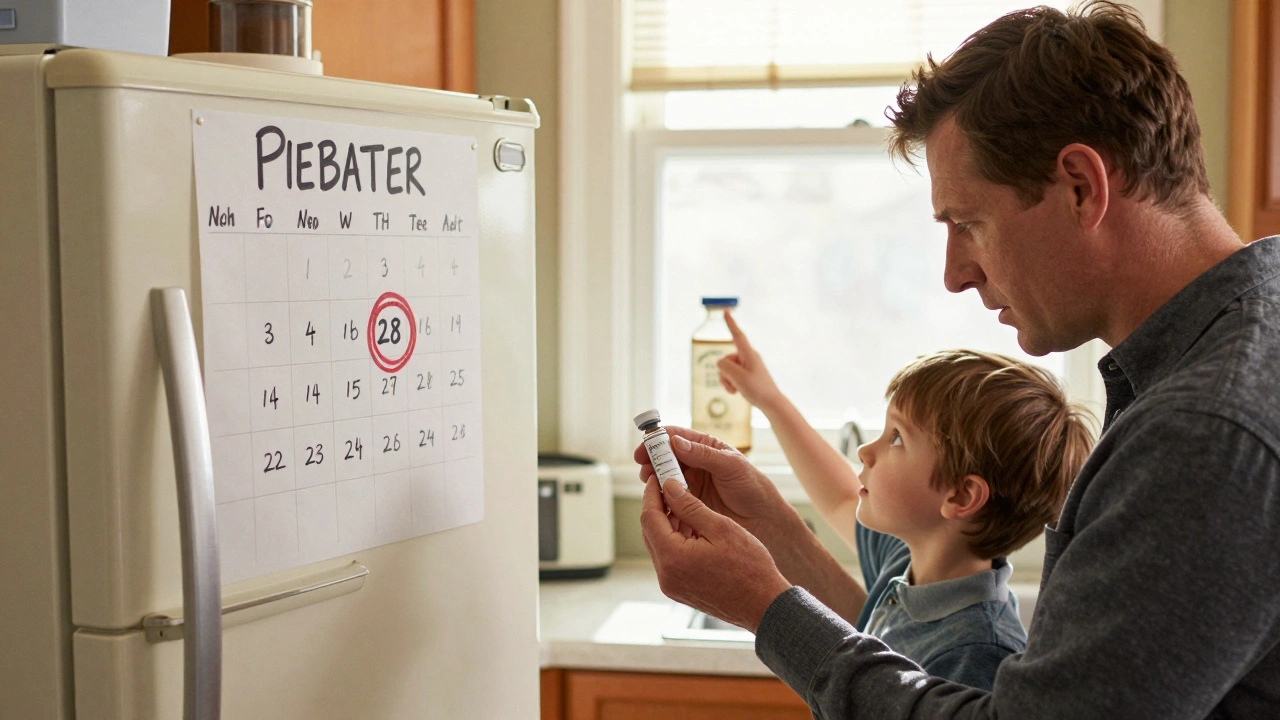
Insulin, EpiPens, and Nitroglycerin: What Happens When They Expire
Expired insulin, EpiPens, and nitroglycerin can fail in emergencies, leading to life-threatening consequences. Learn the real expiration rules and how to stay safe.
view more