Why These Three Medications Can’t Wait
Most pills and supplements are fine to use a few months past their expiration date. But insulin, EpiPens, and nitroglycerin? Expired versions of these can kill you.
They’re not like your multivitamin or ibuprofen. These aren’t just medications-they’re emergency tools. If you’re diabetic, allergic, or have heart disease, your life depends on them working exactly as designed. When they expire, they don’t just lose a little strength. They can fail completely-right when you need them most.
Insulin: A Protein That Breaks Down Fast
Insulin is a protein. That means it’s fragile. Heat, light, and time break it down. Once it expires, your body may not respond to the dose you think you’re giving yourself.
Unopened insulin stays good until the printed date if kept refrigerated (2-8°C / 36-46°F). But as soon as you open it? The clock resets. Most types last only 28 to 42 days after first use-even if the bottle says it’s good for another year.
Studies show insulin can lose up to 50% of its potency within six months past expiration, especially if left at room temperature. One patient in 2023 ended up in the hospital with diabetic ketoacidosis after using insulin that was just three months past its date. His blood sugar swung wildly-from 50 to 450 mg/dL-despite following his usual routine. He didn’t know the insulin had degraded.
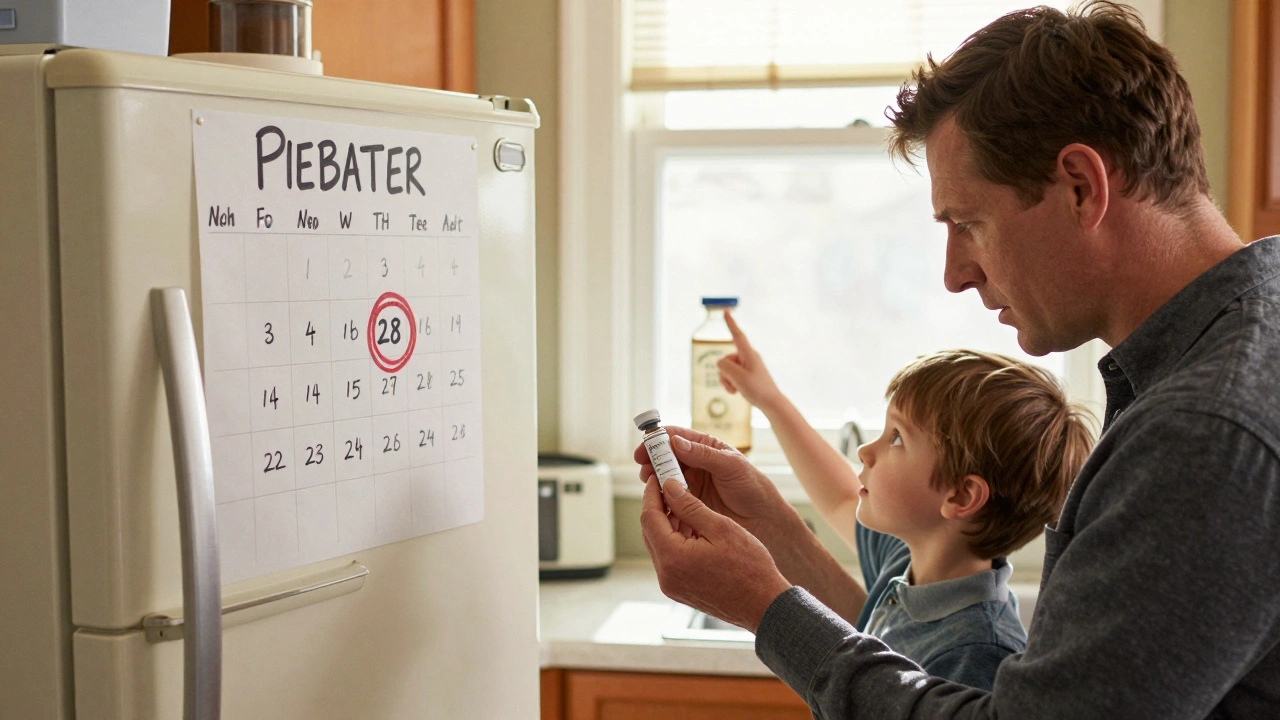
Sanofi’s Toujeo Max now lasts 56 days at room temperature after opening, a big improvement. But unless you’re using that specific brand, assume 28 days max after opening. Keep a calendar on your fridge. Mark the day you open each vial. Don’t guess.
EpiPens: The 10% Rule That Could Save Your Life
An EpiPen delivers epinephrine-a drug that stops anaphylaxis. If it doesn’t work, you die. And it doesn’t take much degradation to make that happen.
Manufacturers say EpiPens last 18 months. But even before that, they’re already losing potency. At the labeled expiration date, an EpiPen may only contain 80% of the stated dose. Six months after? It could be below 50%.
A 2021 study found expired EpiPens delivered just 52-68% of the required epinephrine. One Reddit user described a bee sting that triggered anaphylaxis. His expired EpiPen didn’t stop the swelling. He needed three doses from paramedics to survive.
Here’s the hard truth: using an expired EpiPen is better than nothing. The American College of Allergy, Asthma, and Immunology says to use it anyway if you’re having a severe reaction-but call 911 immediately. Still, don’t rely on it. Replace your EpiPen before it expires. Check the solution: if it’s brown, cloudy, or has particles, throw it out-even if the date is still good.
Newer options like Symjepi last 24 months and are more stable. But if you’re still using the original EpiPen, treat it like a bomb with a short fuse. Replace it. Every time.

Nitroglycerin: The Heart’s Last Resort That Fades Quickly
Nitroglycerin tablets are tiny. But they’re powerful. They open your heart’s blood vessels during a heart attack. If they’re weak, your chest pain won’t stop. You might not survive the ride to the hospital.
The FDA says nitroglycerin lasts 1-2 years unopened. But here’s the catch: once you open the bottle, it starts dying. A 2018 study found it loses 20% of its strength in just 30 days. After six months, it’s often useless.
That’s why the American Heart Association says: replace your nitroglycerin every 3-6 months after opening-even if you haven’t used a single pill. Store it in the original glass bottle. Keep it away from heat, moisture, and light. Don’t transfer it to a pill organizer. That speeds up breakdown.
One study from Baptist Health showed 78% of patients who used expired nitroglycerin during chest pain ended up in the ER. Only 22% of those using fresh tablets did. That’s not a coincidence. That’s science.
Vericel is testing a new “smart nitroglycerin” tablet that changes color when potency drops below 90%. It’s not on the market yet. Until then, treat your bottle like a fresh loaf of bread. If it’s been open longer than six months, toss it.
What Happens When You Use Expired Versions
People think: “It’s just a few months past. It should still work.” That’s the myth that kills.
Insulin that’s degraded doesn’t just raise blood sugar-it causes wild, unpredictable swings. That’s how people end up in diabetic coma. EpiPens that are weak don’t reverse swelling-they delay it. That delay gives anaphylaxis time to shut down your airway. Nitroglycerin that’s old doesn’t relieve chest pain-it lets it progress into a full heart attack.
Unlike antibiotics or painkillers, these drugs don’t have a safety margin. There’s no “close enough.” You need 100% potency. No exceptions.
The FDA’s 2012 study showing 90% of drugs still work past expiration? That doesn’t apply here. Those were stable chemicals. Insulin, epinephrine, and nitroglycerin are unstable. They’re not the same.
Real cases: a 42-year-old man developed a severe skin reaction after using expired insulin. A woman nearly died because her EpiPen didn’t work. A man had a heart attack because his nitroglycerin had been sitting in his medicine cabinet for a year. These aren’t rare. They’re predictable.
How to Stay Safe: Simple Rules for Critical Medications
- Insulin: Mark the opening date on the vial. Use within 28-42 days. Never leave it in a hot car or by a window. Keep unopened vials in the fridge.
- EpiPen: Check the solution monthly. Clear = good. Brown or cloudy = throw it out. Replace every 12-18 months. Don’t wait for the date. Set a phone reminder.
- Nitroglycerin: Replace every 3-6 months after opening. Keep it in the original glass bottle. Don’t carry it in your pocket. Heat kills it fast.
Keep a small notebook or use a phone app to track all your expiration dates. Most people have multiple medications with different timelines. That’s why 67% of cardiac patients have expired nitroglycerin in their kits. They forget.
Dispose of expired meds properly. Don’t flush them. Don’t trash them. Take them to a pharmacy with a take-back program. These are hazardous waste.
What If You Can’t Afford to Replace Them?
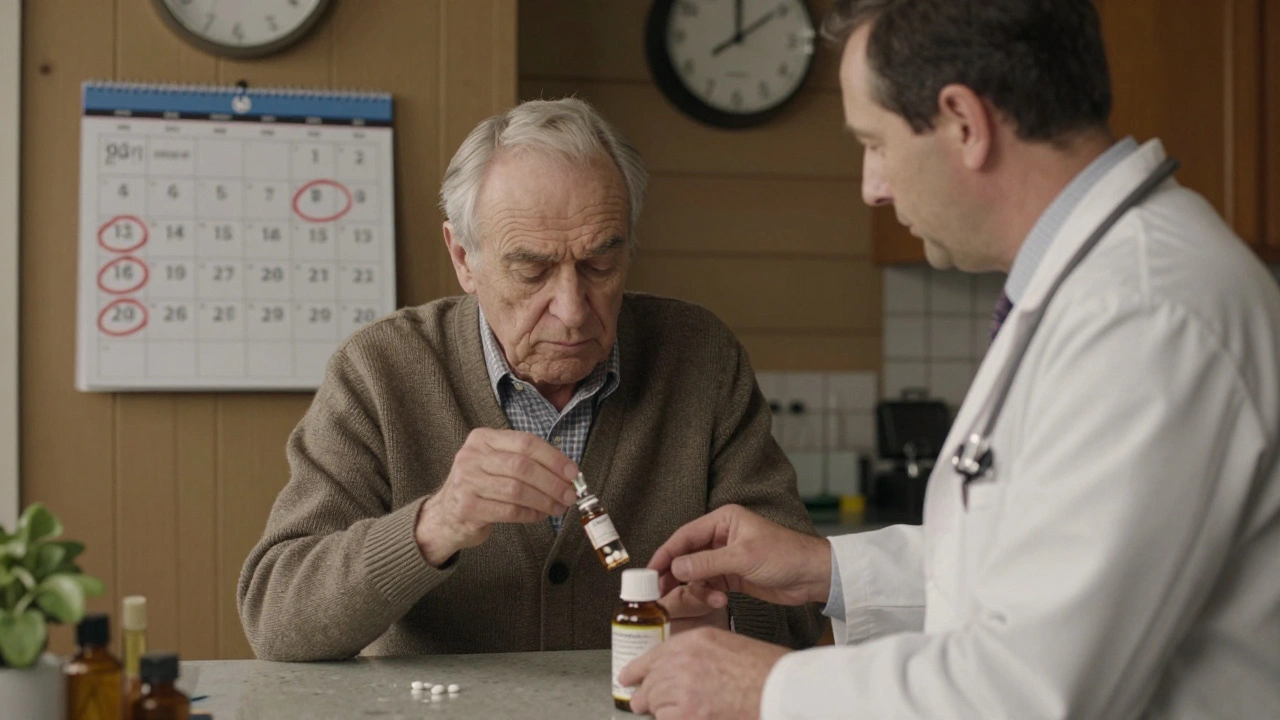
Cost is the biggest reason people use expired insulin. One University of Michigan study found 43% of low-income patients do it. That’s not negligence. It’s desperation.
But here’s what you can do:
- Ask your doctor for samples or manufacturer coupons. Many insulin makers offer free or discounted doses.
- Check if your pharmacy has a $25 insulin program. Walmart, Costco, and others sell it.
- Call patient assistance programs. Organizations like NeedyMeds and the American Diabetes Association can help.
Using expired insulin isn’t saving money. It’s costing you hospital bills, missed work, and possibly your life.
The Future: Smarter Medications
Pharmaceutical companies are finally catching up. New insulin pens now have built-in timers. Some EpiPens come with temperature sensors. Smart nitroglycerin tablets that change color when they go bad are in late-stage testing.
The FDA is also pushing for shorter expiration dates. They now recommend 12-month limits for EpiPens instead of 18, because real-world storage (in cars, purses, drawers) ruins them faster than labs predict.
But until these innovations are everywhere, you’re still responsible. Don’t wait for technology to fix your habits. Check your dates. Replace your meds. Keep them cool. Write it down.
Final Rule: When in Doubt, Toss It
You don’t need to be a pharmacist to know this: if you’re not 100% sure your insulin, EpiPen, or nitroglycerin is good, don’t use it.
It’s not worth the risk. A new vial, pen, or bottle costs less than an ambulance ride. Less than a hospital stay. Less than the cost of regret.
Set reminders. Keep extras. Talk to your doctor. These aren’t optional precautions. They’re survival steps.


Michael Dioso
December 4, 2025 AT 12:21Krishan Patel
December 5, 2025 AT 02:18Annie Grajewski
December 6, 2025 AT 01:50Katie Allan
December 7, 2025 AT 16:30Stephanie Fiero
December 9, 2025 AT 12:14Chris Brown
December 10, 2025 AT 03:41Harry Nguyen
December 10, 2025 AT 15:05Lucy Kavanagh
December 10, 2025 AT 22:27William Chin
December 11, 2025 AT 03:19Carole Nkosi
December 12, 2025 AT 08:08