Drug-Induced Glaucoma: Causes, Risks, and Medications That Can Trigger It
When certain medicines silently raise pressure inside your eye, they can cause drug-induced glaucoma, a form of secondary glaucoma triggered by medications rather than genetics or aging. Also known as medication-induced glaucoma, it’s not rare—especially in people using long-term steroids or anticholinergics. Unlike open-angle glaucoma that creeps up over years, this type can spike pressure in weeks or even days, and many people don’t notice until vision is already damaged.
One of the biggest culprits is corticosteroids, a class of anti-inflammatory drugs used for asthma, arthritis, skin conditions, and even eye drops. Even topical steroid eye drops, which seem harmless, can cause pressure spikes in susceptible people. Studies show up to 30% of long-term users develop elevated intraocular pressure. Then there are anticholinergics, drugs that block acetylcholine, often found in allergy meds, antidepressants, and bladder control pills. These relax the iris and block fluid drainage, leading to angle-closure glaucoma—a sudden, dangerous rise in pressure. Beta-blockers, used for high blood pressure and heart conditions, can also mask early glaucoma symptoms by lowering overall eye pressure readings, delaying diagnosis.
People over 40, those with a family history of glaucoma, or anyone with narrow drainage angles in their eyes are at higher risk. But you don’t need to be high-risk to be affected—sometimes it hits someone who’s never had eye issues before. The problem? Most of these drugs are taken daily for other conditions, so the link isn’t obvious. A patient on prednisone for lupus might blame blurry vision on stress. Someone taking Benadryl for allergies might think their halos around lights are just tired eyes. By the time they see an eye doctor, damage may already be done.
That’s why knowing which drugs carry this risk matters. It’s not just about avoiding them—it’s about asking your doctor or pharmacist: "Could this be affecting my eyes?" Especially if you’re on multiple meds. Many of the posts below dive into how common drugs like antibiotics, antidepressants, and even OTC sleep aids interact with eye health. You’ll find real cases, warning signs to watch for, and what to do if your meds might be harming your vision. No fluff. Just what you need to protect your sight while managing other health needs.
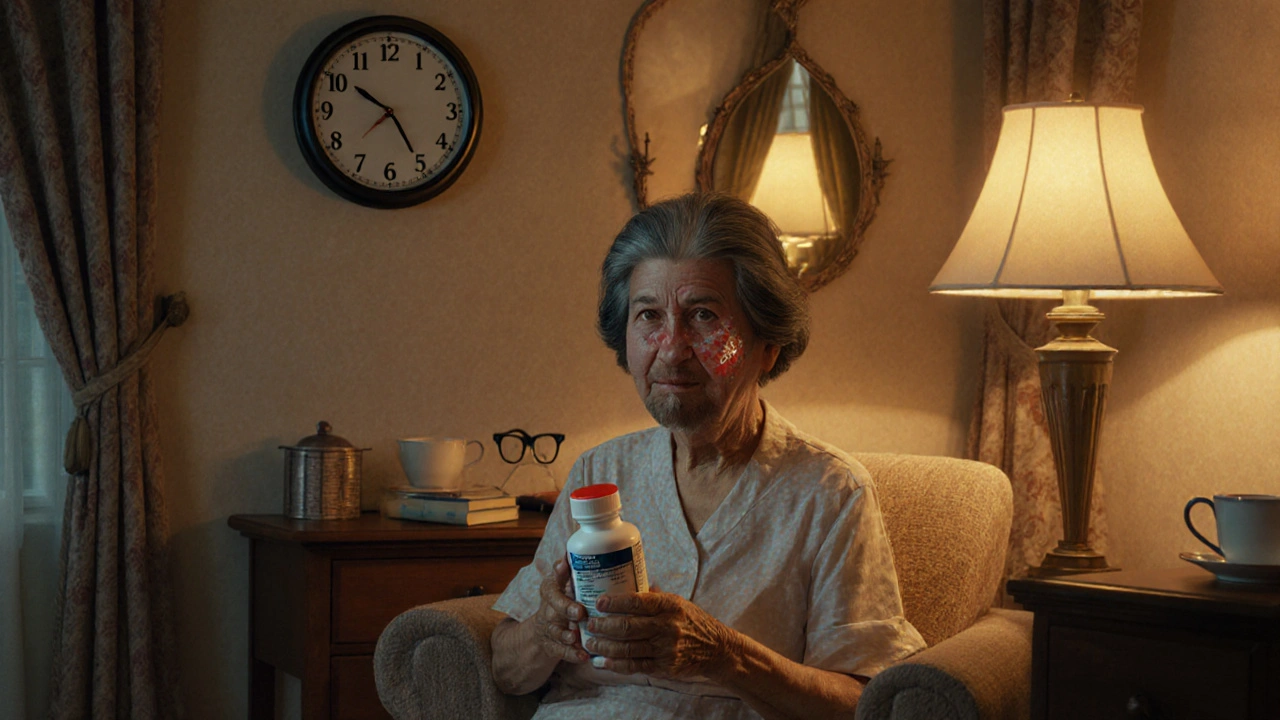
Medication-Induced Acute Angle-Closure Glaucoma: What You Need to Know Before Taking Common Drugs
Medications like decongestants, antihistamines, and antidepressants can trigger sudden, sight-threatening eye pressure spikes in people with narrow eye angles. Learn the warning signs, risk factors, and how to prevent permanent vision loss.
view more