Drug Reactions: What They Are, Why They Happen, and How to Stay Safe
When your body responds unexpectedly to a medication, that’s a drug reaction, an unintended response to a pharmaceutical that can range from harmless to deadly. Also known as adverse drug events, these reactions aren’t always allergies—they can be side effects, interactions, or even delayed immune responses that show up weeks after starting a drug. You might think only new prescriptions cause trouble, but even over-the-counter painkillers, supplements like SAMe, or old favorites like phenytoin can trigger serious reactions if mixed with other meds or if your body changes over time.
Some drug interactions, happen when two or more medications affect each other’s behavior in your body—like phenytoin lowering warfarin’s effect or ciprofloxacin boosting theophylline to toxic levels. Others are allergic reactions to medication, immune system overreactions that can cause swelling, breathing trouble, or anaphylaxis, often mistaken for simple rashes. And then there are the sneaky ones: medications that cause acute angle-closure glaucoma in people with narrow eye angles, or fentanyl patches that become dangerous in hot weather. Elderly patients are especially vulnerable because aging changes how drugs are absorbed, processed, and cleared—switching to generics might save money, but it can also increase risk if the formulation isn’t identical.
What makes drug reactions so dangerous is how often they’re ignored. A rash after starting an antibiotic? Maybe it’s just heat. Nausea from opioids? Everyone gets that. But these could be early signs of something worse—like serotonin syndrome from mixing SAMe with antidepressants, or internal bleeding from a blood thinner overdose. The key isn’t avoiding meds—it’s knowing what to watch for and when to act. Many of the posts here show real cases: a patient with autoimmune encephalitis misdiagnosed as psychiatric illness, someone with narrow eye angles nearly losing vision after taking an antihistamine, or a senior whose bone treatment failed because magnesium was taken too close to Fosamax. These aren’t rare exceptions—they’re preventable mistakes.
You don’t need to be a doctor to protect yourself. Just ask: Is this new symptom linked to a recent med change? Did I start a new supplement? Am I taking more than five pills a day? Are my kidneys or liver working well? The answers matter. Below, you’ll find clear, practical guides on spotting dangerous reactions, avoiding deadly interactions, managing side effects in kids and seniors, and knowing when to call for help—no jargon, no fluff, just what works.
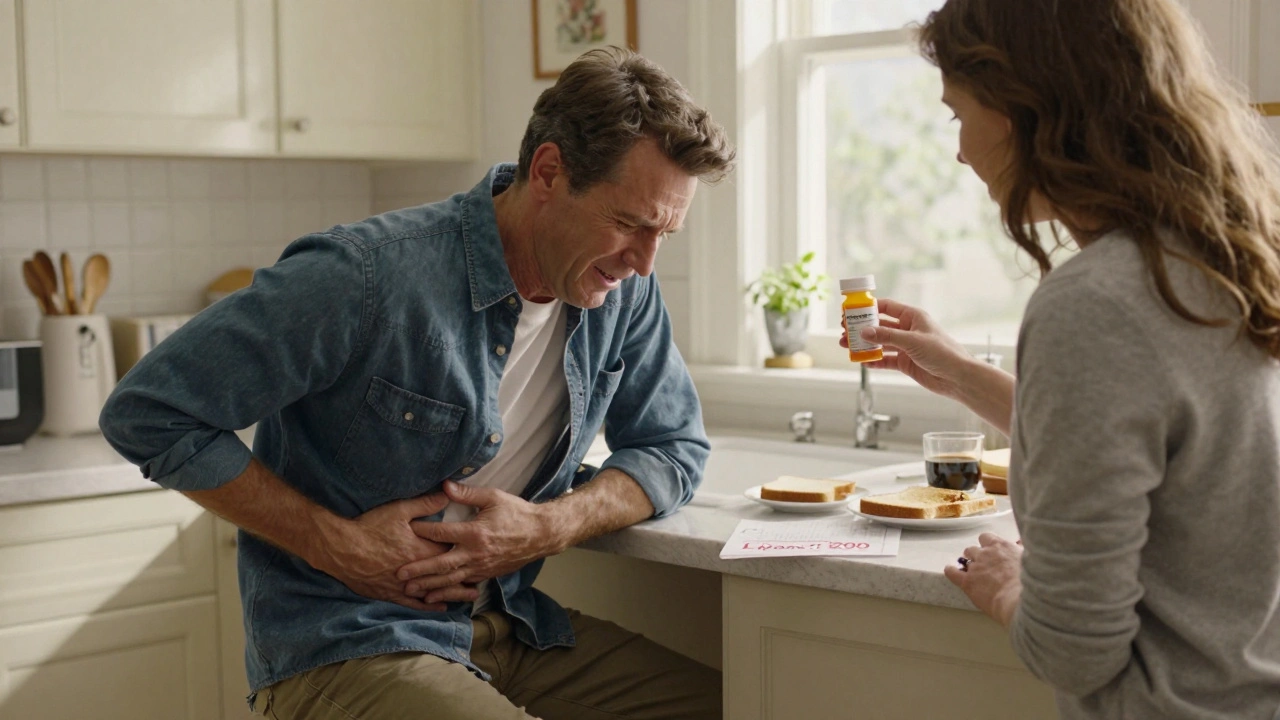
Severe Pancreatitis from Medications: Warning Signs and Treatment
Drug-induced severe pancreatitis is a rare but life-threatening reaction to certain medications. Learn the warning signs, high-risk drugs, and critical treatment steps to prevent permanent damage or death.
view more