Medication Risk Checker for Pancreatitis
Check Your Medications
This tool helps you identify if any of your current medications might be associated with increased risk of severe pancreatitis. According to the article, certain medications can trigger pancreatitis in some people.
Common blood pressure medications
Used in HIV treatment
Water pills
For blood sugar control
Cholesterol-lowering medications
For seizures and bipolar disorder
For autoimmune diseases
Birth control pills
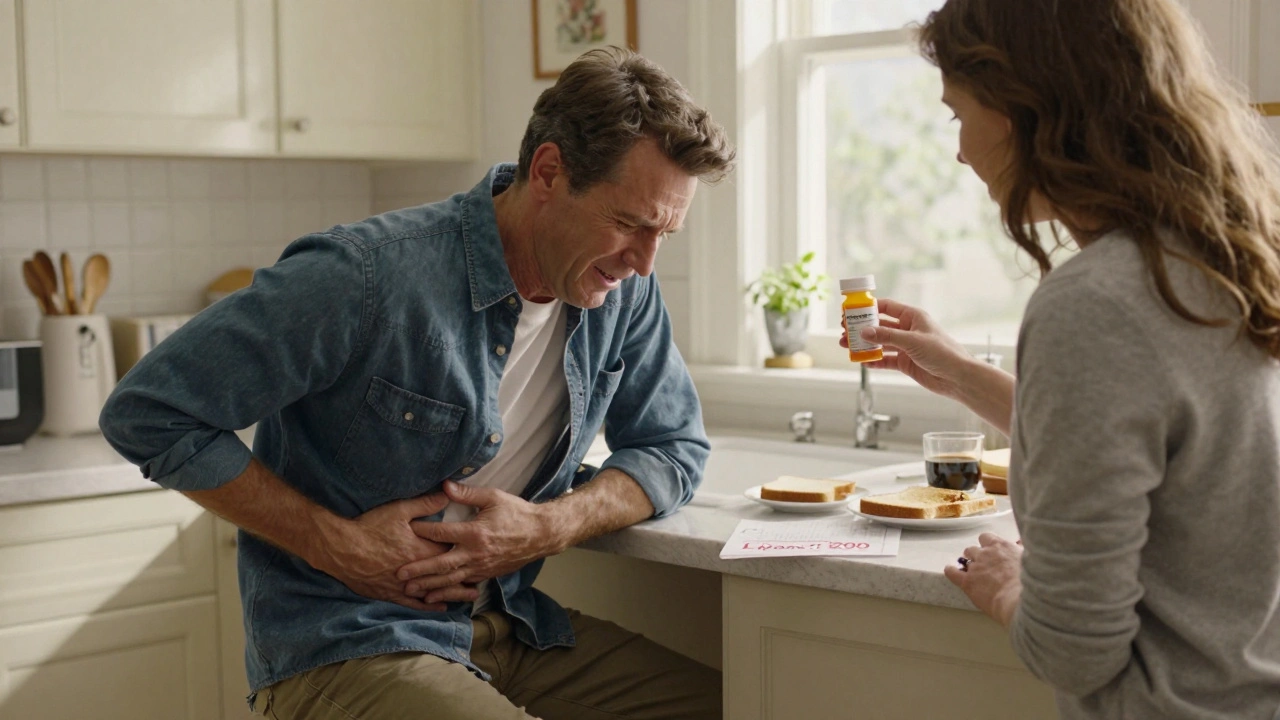
When you take a new medication, you expect relief-not a life-threatening emergency. But for some people, common prescriptions can trigger severe pancreatitis, a dangerous inflammation of the pancreas that can turn deadly within days. Unlike gallstones or alcohol, which are the usual suspects in pancreatitis, drug-induced cases fly under the radar. They don’t come with obvious red flags. The pain creeps in. The blood tests look odd. And by the time doctors connect the dots, it’s often too late.
What Is Drug-Induced Severe Pancreatitis?
Severe pancreatitis from medications happens when a drug damages the pancreas, causing it to digest itself. This isn’t rare-it’s just overlooked. About 1.4% to 3.6% of all acute pancreatitis cases come from drugs, according to the National Institute of Diabetes and Digestive and Kidney Diseases. But among those cases, up to 20% become severe, with mortality rates between 15% and 30%. That’s higher than pancreatitis caused by gallstones.
The pancreas makes digestive enzymes and insulin. When it gets inflamed, those enzymes activate too early and start eating away at the organ. In severe cases, parts of the pancreas die (necrosis), infection spreads, and organs like the lungs or kidneys fail. This isn’t a slow burn-it’s a rapid collapse.
It’s not just new drugs. Some people take a medication for years-like statins for cholesterol or ACE inhibitors for blood pressure-and suddenly, out of nowhere, they get hit. One patient on lisinopril for six months woke up with excruciating pain radiating to their back. Their lipase level was over 1,200 U/L (normal is under 60). They spent five days in the hospital. After stopping the drug, they never had another episode.
Which Medications Are Most Likely to Cause It?
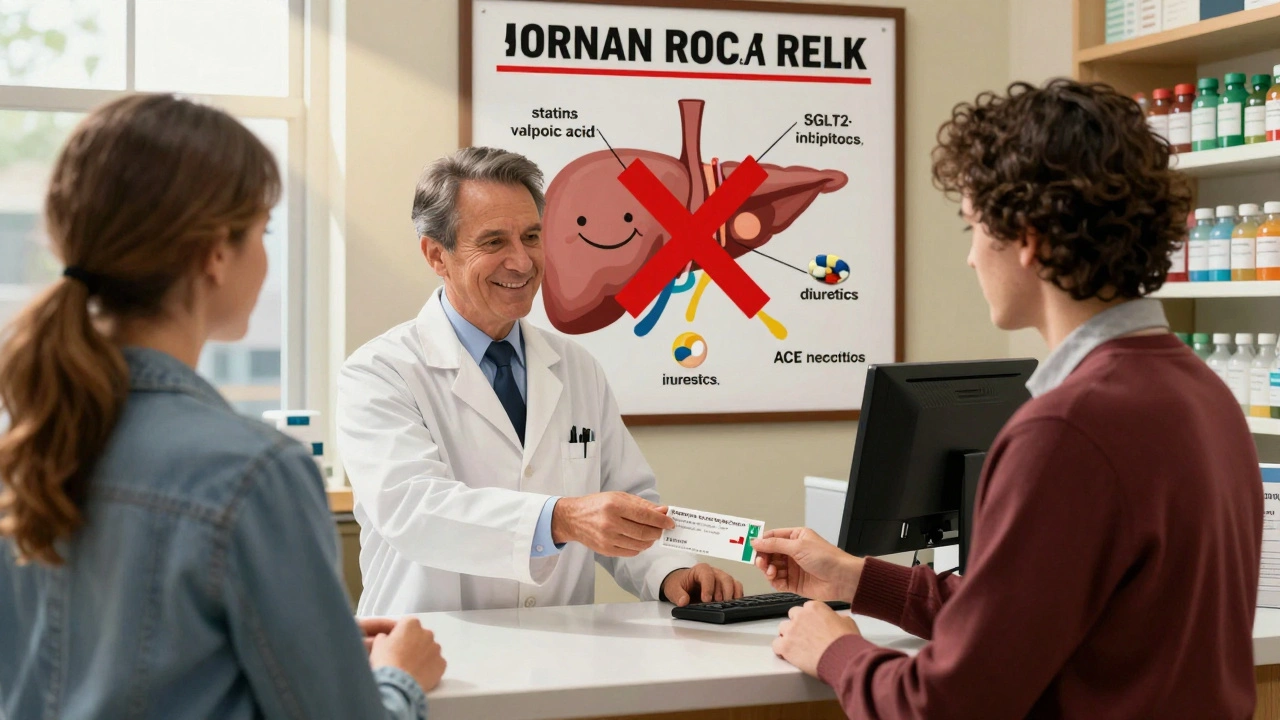
Not all drugs carry the same risk. Eight classes have strong evidence linking them to severe pancreatitis:
- ACE inhibitors (lisinopril, enalapril)
- Antiretrovirals (didanosine, used in HIV treatment)
- Diuretics (furosemide, hydrochlorothiazide)
- Diabetes drugs (exenatide, sitagliptin, SGLT2 inhibitors like canagliflozin)
- Statins (simvastatin, atorvastatin)
- Valproic acid (for seizures and bipolar disorder)
- Azathioprine (for autoimmune diseases like Crohn’s)
- Oral contraceptives (ethinyl estradiol-containing pills)
Valproic acid and azathioprine are especially dangerous. Studies show 22% of people on valproic acid develop necrotizing pancreatitis-the most severe form. Azathioprine isn’t far behind at 18%. These aren’t edge cases. These are predictable outcomes if you’re not watching for them.
Even more concerning: the FDA added new black box warnings to sitagliptin and exenatide in 2022 after a cluster of 23 severe cases. SGLT2 inhibitors like dapagliflozin saw an almost fivefold spike in pancreatitis reports between 2021 and 2023. These aren’t accidents. They’re signals.
How Do You Know It’s Not Just Stomach Flu?
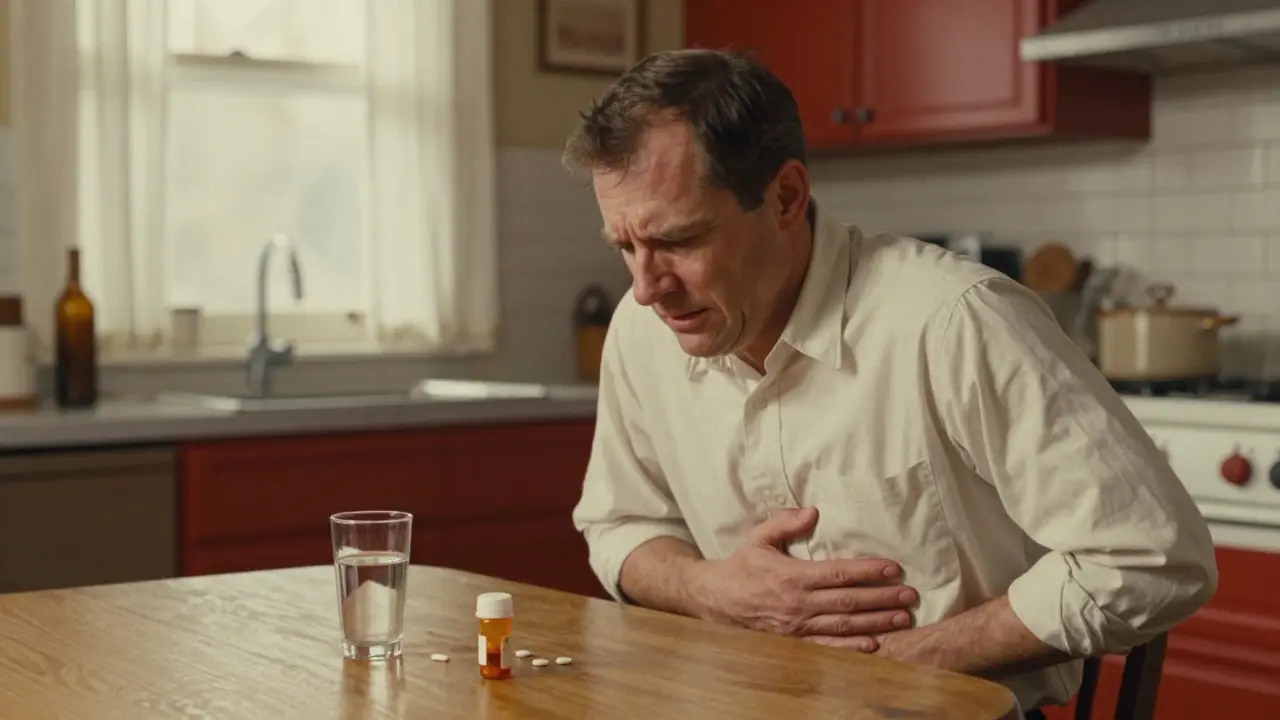
The symptoms look like a bad stomach bug-but they’re not. You’ll notice:
- Severe, constant upper abdominal pain that radiates to your back
- Pain that gets worse after eating
- Nausea and vomiting that won’t go away
- Fever and rapid heartbeat
- Jaundice (yellow skin or eyes) in advanced cases
Unlike gallstone pancreatitis, which hits suddenly and often after a fatty meal, drug-induced cases build slowly. Symptoms usually appear 7 to 14 days after starting the drug. Some people don’t notice until it’s severe.
The key diagnostic tool? Blood tests. Lipase is the gold standard. It’s more specific than amylase. If your lipase is three times above normal, it’s a red flag. But here’s the problem: many doctors don’t order it unless they’re sure. One patient on azathioprine for Crohn’s was told their pain was “just gastritis.” By the time a CT scan was done, 40% of their pancreas was dead. They spent three weeks in the ICU.
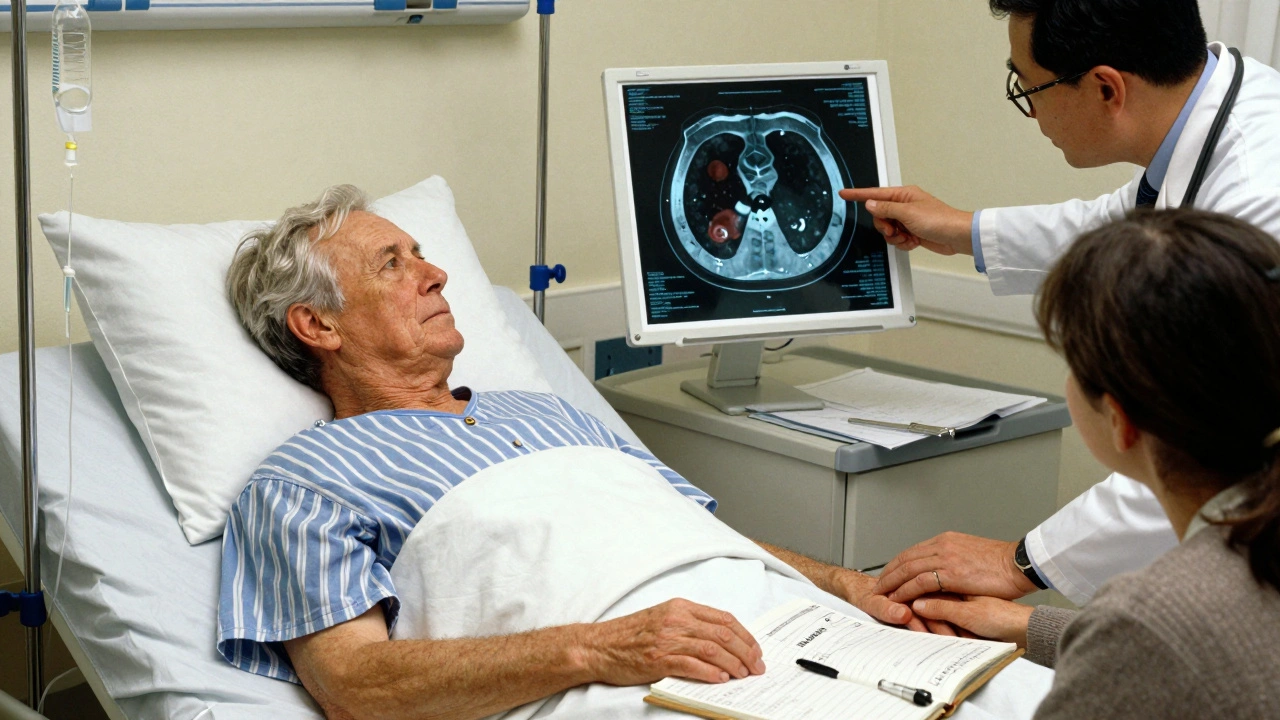
Imaging confirms it. A contrast-enhanced CT scan shows necrosis-dead tissue-usually over 30% of the pancreas. If you have two or more signs of systemic inflammation (fever, fast heart rate, fast breathing, high white blood cell count), you’re in the severe category.
Why Is It So Dangerous?
Drug-induced pancreatitis is deadlier than gallstone pancreatitis. Why? Because you’re not just fighting inflammation-you’re fighting a system full of drugs that may be making it worse.
Patients on multiple medications average 5.2 prescriptions. That’s a minefield. One drug might be the culprit, but others could be masking symptoms or complicating treatment. Older adults are most at risk-they’re the ones taking the most pills.
And because it’s rare, many doctors don’t think of it. A 2018 study found up to 40% of reported drug-induced cases might just be coincidence. But that doesn’t mean you should ignore it. If you’re on a high-risk drug and have unexplained abdominal pain, don’t wait for the doctor to connect the dots. Ask for a lipase test.
What Happens in the Hospital?
There’s no magic pill. Treatment is aggressive, focused on stopping the damage and supporting your body.
First: Stop the drug. This isn’t optional. If you suspect your medication caused it, stop it immediately. Delaying beyond 24 hours increases complication risk by 37%.
Second: Fluids. You’ll get IV fluids fast-250 to 500 mL per hour. Dehydration makes the pancreas worse. Doctors monitor your hematocrit to keep it between 35% and 44%. Too low, and your pancreas doesn’t get enough blood. Too high, and you risk clots.
Third: Pain control. Acetaminophen is first-line. If that’s not enough, they’ll use morphine. But they avoid certain opioids like meperidine-it can worsen spasms.
Fourth: Nutrition. You’ll be NPO (nothing by mouth) at first. But if you can’t eat after 48 hours, they’ll put in a feeding tube into your small intestine (nasojejunal tube). You need calories-20 to 25 per kg of body weight per day-to heal. Starving yourself doesn’t help.
Fifth: Antibiotics. Only if the pancreas becomes infected. Meropenem is the go-to. Routine antibiotics? No. They don’t prevent infection-they just raise your risk of resistant bacteria.
Recovery takes days to weeks. Most people with mild cases bounce back. But if you had necrosis or organ failure, you might need surgery or long-term follow-up.
Can It Be Reversed?
Yes-unlike alcohol or genetic pancreatitis, drug-induced cases often heal completely if caught early. About 65% to 75% of mild-to-moderate cases resolve fully after stopping the drug. That’s the biggest advantage: it’s potentially reversible.
But you have to act. One patient on simvastatin for three years developed lipase levels over 2,800. They stopped the statin. Within 72 hours, they were improving. No surgery. No long-term damage. Just a simple switch.
That’s why diagnosis matters. If you’ve been on a high-risk drug and suddenly have pain, don’t brush it off. Get tested. Document your timeline. Tell your doctor: “I started this medication X weeks ago, and now I have this pain. Could it be the drug?”
What Should You Do If You’re on a High-Risk Drug?
You don’t need to panic. But you should be informed.
- If you’re on azathioprine, valproic acid, or an SGLT2 inhibitor, know the symptoms.
- Keep a medication log: name, dose, start date.
- If you develop persistent upper abdominal pain, especially with nausea or back pain, get lipase tested.
- Don’t assume it’s indigestion. If your doctor dismisses it, push for a blood test.
- Ask about alternatives. Is there a safer drug for your condition?
Some people with Crohn’s or lupus need azathioprine. But if you have a TPMT gene variant, your risk skyrockets. Genetic testing before starting the drug can prevent disaster. It’s not routine yet-but it should be.
The NIH launched the Drug-Induced Pancreatitis Registry in January 2023 to track cases and build better risk models. So far, 317 patients have enrolled. This data will help doctors predict who’s at risk before they get sick.
What’s Next for This Problem?
Doctors are starting to catch on. In 2023, 78% of U.S. academic hospitals added automated alerts in electronic health records to flag patients on high-risk drugs who develop abdominal pain. That’s progress.
But the bigger issue? We’re prescribing more drugs than ever. As the population ages and chronic conditions multiply, so does the chance of dangerous interactions. The American Pancreatic Association predicts a 25% rise in drug-induced severe pancreatitis over the next decade.
Research is moving fast. Scientists are developing a standardized scale to confirm drug causality-something beyond just timing. And new studies are looking at whether certain genetic markers can predict who’s vulnerable before they even take the pill.
For now, the message is simple: Know your meds. Know your body. Speak up.
Frequently Asked Questions
Can any medication cause pancreatitis?
No-not all medications cause it. But over 100 drugs have been linked to pancreatitis. The most common culprits are ACE inhibitors, diuretics, diabetes drugs like sitagliptin, statins, valproic acid, and azathioprine. Most people take these safely, but for a small percentage, the risk is real.
How long after starting a drug does pancreatitis develop?
Symptoms usually appear between 7 and 14 days after starting the drug, but they can show up as early as 24 hours or as late as months later. That’s why it’s easy to miss. If you’ve been on a medication for six months and suddenly feel pain, don’t assume it’s unrelated.
Is pancreatitis from medication permanent?
No, not if caught early. In most cases, stopping the drug allows the pancreas to heal completely. Chronic damage only happens if the inflammation goes untreated for weeks or if you keep taking the drug. Early action is everything.
Can I restart the drug if I recover?
Never. Re-exposing yourself to the drug carries a very high risk of recurrence-and the second episode is often worse. Even if you felt fine after stopping it, the damage can return quickly. Your doctor should find a safe alternative.
Should I get genetic testing before taking azathioprine or valproic acid?
Yes, if you’re starting azathioprine, testing for TPMT gene variants is strongly recommended-it can cut your risk of pancreatitis by up to 80%. For valproic acid, genetic screening isn’t standard yet, but if you have a family history of drug reactions or liver issues, ask your doctor. Prevention beats treatment.

Matt Dean
December 3, 2025 AT 01:32This is why I tell everyone to stop taking every pill they're handed like candy. Doctors prescribe like they're handing out free samples at a supermarket. You think your blood pressure med is harmless until your pancreas turns into a science experiment. I've seen it happen twice in my family. One guy lost 40% of his organ. He didn't even know statins could do that. Wake up people.
Kay Lam
December 3, 2025 AT 10:41I've been on lisinopril for seven years and never had an issue but reading this makes me want to go back through every lab result I've ever had. I remember one time my lipase was slightly elevated and my doctor just said it was dehydration. Now I wonder if that was the first warning sign. It's terrifying how easily this gets dismissed as indigestion or stress. We need better protocols. Not everyone has access to specialists who think outside the box. Primary care docs are overwhelmed and they're not trained to suspect drug-induced pancreatitis unless it's screaming at them. This needs to be part of routine screening when you're on high-risk meds. Not just when you're in the ER with your guts falling out.
Walker Alvey
December 4, 2025 AT 13:45Oh wow another article telling people their meds are evil. Next thing you know we'll be told aspirin is secretly plotting to kill us. People take drugs. Drugs have side effects. That's how medicine works. If you're shocked that a chemical can affect your body then maybe you shouldn't be taking anything at all. I'm sure the FDA will add a warning to gravity next. And yes I know it's real. I'm not denying it. I'm just tired of the fear porn.
Adrian Barnes
December 4, 2025 AT 19:25The systemic failure here is not merely clinical but epistemological. The medical-industrial complex has normalized polypharmacy as a default heuristic rather than a last-resort intervention. The conflation of pharmacological intervention with therapeutic necessity has produced a population that conflates symptom suppression with health optimization. When a patient presents with abdominal pain while on an SGLT2 inhibitor, the diagnostic algorithm should prioritize drug etiology before gastroenterological differential. The absence of mandatory pharmacovigilance training in residency curricula constitutes a dereliction of duty. The mortality rate cited is not merely a statistic-it is the empirical manifestation of institutional negligence.
Declan Flynn Fitness
December 5, 2025 AT 21:06Big thanks for sharing this. I'm a fitness guy who's been on simvastatin for years and I never realized how sneaky this can be. I've had random stomach pain after meals and just blamed it on protein shakes. Now I'm going to get my lipase checked next week. If anyone's on one of these meds and feels off-don't wait. Ask for the test. It takes 10 minutes. Could save your life. 🙏
Michelle Smyth
December 6, 2025 AT 10:49It's fascinating how the biomedical paradigm reduces complex physiological phenomena to pharmacological causality without acknowledging the ontological dissonance between pharmaceutical intervention and embodied autonomy. The very notion that a molecule can induce necrotizing pancreatitis without contextualizing metabolic resilience, epigenetic susceptibility, and psychosomatic feedback loops is a reductionist fallacy masquerading as clinical insight. We are not pharmacokinetic variables. We are sentient organisms embedded in ecological and cultural matrices. Yet here we are, being surveilled by algorithmic alerts and black box warnings while our agency is systematically erased.
Patrick Smyth
December 8, 2025 AT 04:38My cousin took azathioprine for lupus and ended up in ICU for six weeks. They told her it was a "rare reaction." But she was the third person in her doctor's practice to have it happen. Why isn't this being tracked properly? Why aren't we testing TPMT before prescribing? It's not rare if it keeps happening. I'm not mad-I'm just heartbroken. People deserve better. If you're on one of these drugs, don't wait until you're on a ventilator to ask questions.
patrick sui
December 10, 2025 AT 03:27Great breakdown. I'm a pharmacist and I see this all the time. The real issue is that most patients don't know their own med list. They get prescriptions from three different doctors and never tell anyone about the OTC stuff or supplements. One guy was on exenatide, lisinopril, and a weight-loss tea with senna-three known risks. He thought "natural" meant safe. We need better med reconciliation. And yes, TPMT testing should be standard before azathioprine. It's cheap, it's proven, and it's not being done. Also-SGLT2 inhibitors are a growing problem. The FDA data is real. I've had two patients in the last year with drug-induced pancreatitis. Both recovered after stopping the drug. But one almost didn't make it because he waited two weeks to say anything. Please, if you're on any of these, keep a log. Track your symptoms. You are your own best advocate.