Elderly Patients: Medication Risks, Interactions, and Safe Management
When we talk about elderly patients, older adults, typically aged 65 and above, who often manage multiple chronic conditions and medications. Also known as senior patients, they are among the most vulnerable to harmful drug reactions due to how their bodies process medicine. As people age, their liver and kidneys don’t filter drugs as well, stomach acid drops, and body fat increases—changing how medications work. This isn’t just theory. One in three elderly patients ends up in the hospital because of a drug problem.
Polypharmacy, the use of five or more medications at once is common in this group. It’s not always avoidable—diabetes, high blood pressure, arthritis, and heart disease often need separate drugs. But when you add supplements like magnesium, SAMe, or herbal remedies, things get dangerous fast. Many don’t tell their doctor about these, but drug interactions, when two or more medications react in harmful ways can cause falls, confusion, kidney failure, or even internal bleeding. Phenytoin and warfarin? A deadly mix. Magnesium and Fosamax? They cancel each other out if taken too close. Even something as simple as a fentanyl patch can overdose someone if they sit in the sun too long.
Medication safety, the practice of using drugs correctly to avoid harm for elderly patients isn’t just about prescriptions. It’s about storage, timing, and knowing when to ask for help. Expired pills, wrong doses, heat-damaged patches, skipped kidney tests—these aren’t minor slips. They’re life-threatening. And it’s not just the patient. Caregivers, pharmacists, and family members all play a role. A simple two-hour gap between magnesium and osteoporosis meds can mean the difference between strong bones and broken ones. Knowing which OTC drugs trigger glaucoma or pancreatitis can prevent a trip to the ER.
What you’ll find below isn’t a list of generic tips. It’s real cases, real science, and real fixes—like how to time probiotics with antibiotics to avoid diarrhea, why certain antidepressants shouldn’t mix with SAMe, and how to read kidney test results before starting a new drug. These are the exact issues that come up daily in clinics and pharmacies. No fluff. No jargon. Just what works—and what could kill someone if ignored.
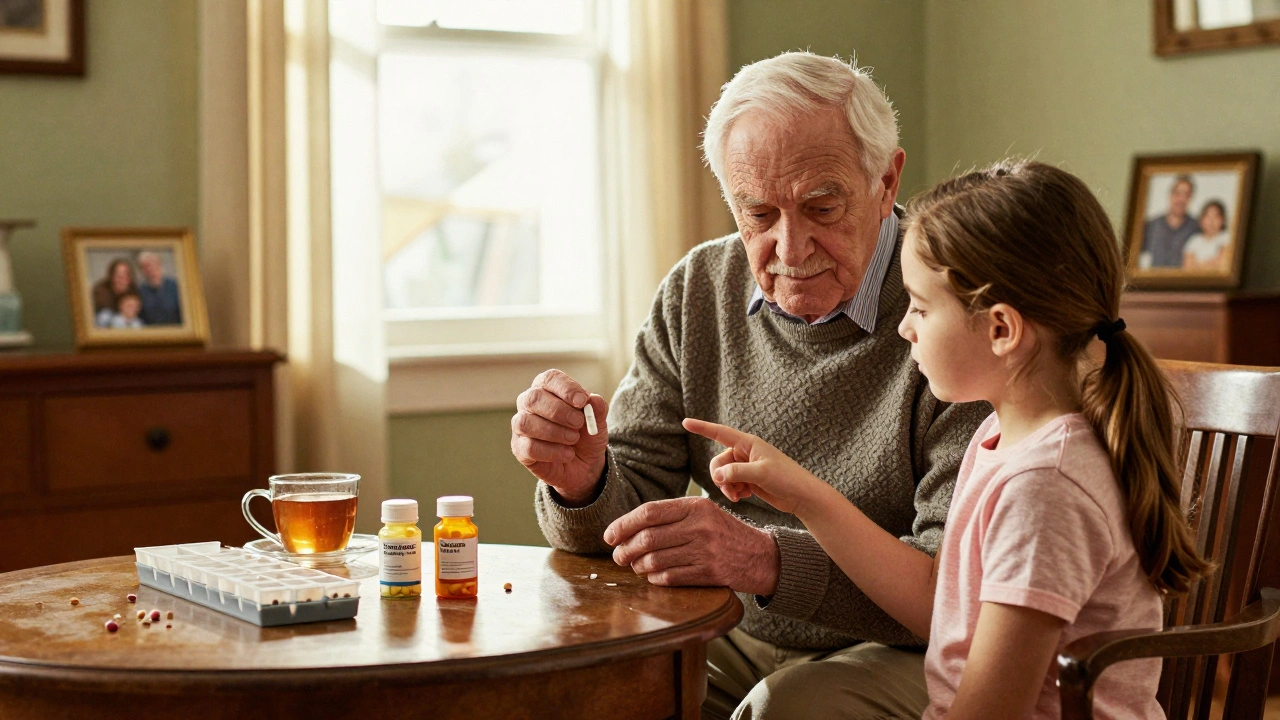
Elderly Patients Switching to Generics: What You Need to Know About Safety and Effectiveness
Elderly patients often switch to generic medications to save money, but age-related changes in the body and medication risks require careful handling. Learn when generics are safe, which drugs need extra caution, and how to avoid dangerous side effects.
view more