Expired EpiPen: What Happens When Your Emergency Epinephrine Goes Bad
When you carry an expired EpiPen, a portable epinephrine auto-injector used to reverse life-threatening allergic reactions. Also known as an epinephrine auto-injector, it’s not just a backup—it’s often the only thing standing between someone and a fatal anaphylactic shock. Most people assume that if the device hasn’t been opened or damaged, it’s still good. But epinephrine, the active ingredient, breaks down over time. Even if the liquid inside still looks clear, its potency drops significantly after the expiration date. Studies show that some expired pens retain 80% or more of their original strength, but that’s not enough to rely on when every second counts.
The real danger isn’t just the loss of effectiveness—it’s the false sense of security. People who use an expired EpiPen during a reaction may feel like they’ve done everything right, only to watch symptoms get worse. Emergency rooms see this all the time: someone with a known peanut allergy uses their old pen, calls 911, and ends up in intensive care because the dose was too weak. The epinephrine auto-injector, a device designed for rapid, easy use by non-medical people during anaphylaxis works because it delivers a precise, high-dose shot. If the medicine has degraded, you’re not getting that dose. And if you’re allergic to bee stings, shellfish, or peanuts, there’s no second chance to wait for the ambulance.
What about storage? Heat, light, and moisture speed up the breakdown. Leaving your EpiPen in a hot car or a damp bathroom isn’t just bad practice—it’s risky. The anaphylaxis emergency, a sudden, severe allergic reaction that can cause airway blockage, low blood pressure, and death doesn’t care if your pen was stored poorly. It only cares if you have enough epinephrine to stop it. That’s why pharmacies and doctors push for replacements before the date runs out. It’s not about profit—it’s about survival.
Some people try to stretch their supply by using expired pens as a backup. That’s understandable—these devices are expensive, and insurance doesn’t always cover replacements. But here’s the hard truth: if you’re out of date, you need a new one. Keep your current pen with you at all times, and store the replacement somewhere cool and dry. Teach family members, teachers, or coworkers how to use it. Practice with the trainer pen. Make a plan. Because when your throat starts closing, you won’t have time to read the label.
Below, you’ll find real stories and expert advice on managing medication expiration, avoiding waste without risking safety, and what to do when your emergency tool is past its prime. These aren’t theoretical concerns—they’re life-or-death decisions made every day by people who thought they had time to spare.
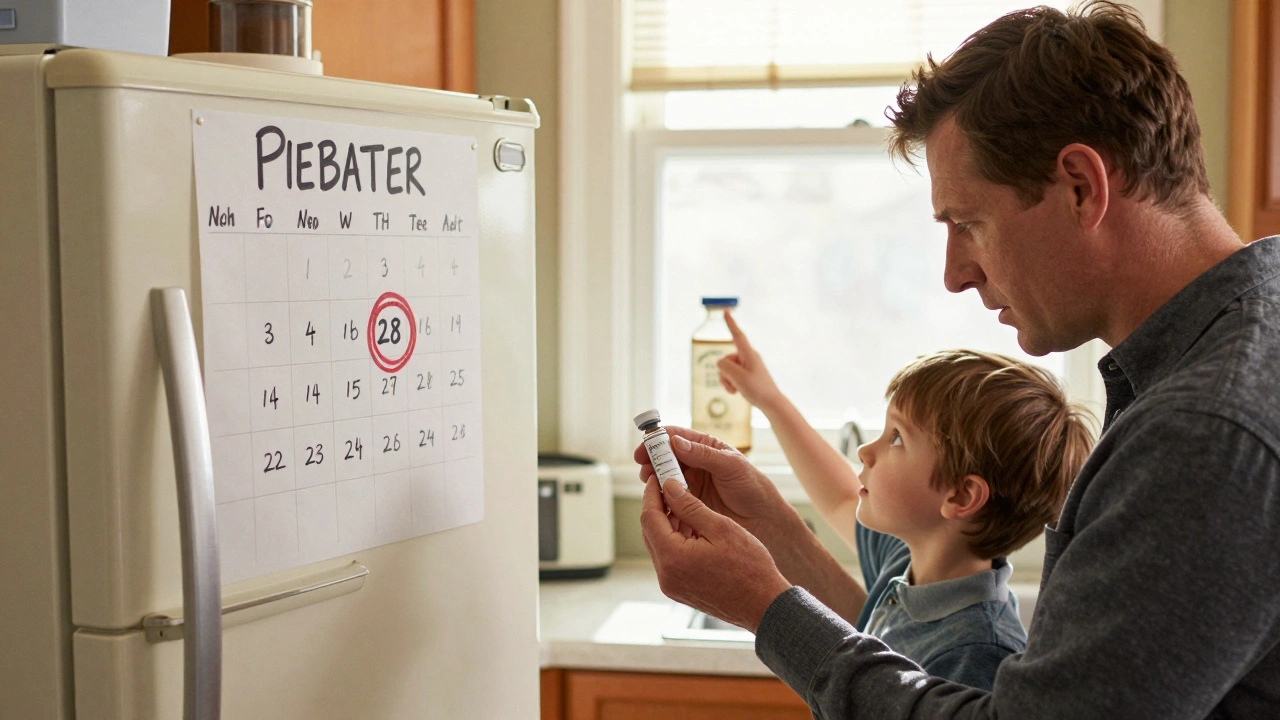
Insulin, EpiPens, and Nitroglycerin: What Happens When They Expire
Expired insulin, EpiPens, and nitroglycerin can fail in emergencies, leading to life-threatening consequences. Learn the real expiration rules and how to stay safe.
view more