Expired Insulin: Risks, Storage, and What to Do If You Have It
When you're managing diabetes, expired insulin, insulin that has passed its recommended use-by date and may no longer work as intended. Also known as out-of-date insulin, it’s not just a waste issue—it’s a safety risk. Insulin isn’t like a bottle of aspirin that sits on a shelf for years. It’s a complex protein that breaks down over time, especially if it’s been exposed to heat, light, or freezing. Even if it looks clear and normal, expired insulin can lose up to 30% of its strength, leaving your blood sugar dangerously high without you realizing it.
Insulin storage matters just as much as the expiration date. Unopened vials or pens should stay refrigerated between 36°F and 46°F until you use them. Once opened, most types can last 28 days at room temperature—no fridge needed. But if you leave it in a hot car, near a window, or in a gym bag during summer, it degrades faster. People often don’t realize that insulin can go bad before the printed date if it’s not stored right. That’s why checking for clumping, cloudiness, or discoloration is as important as checking the calendar.
What happens if you use expired insulin? You might not feel anything right away. No burning, no nausea—just rising blood sugar that doesn’t respond to your usual dose. That’s the silent danger. Some users think they just need more insulin, so they inject extra, which can lead to dangerous highs or, later, crashes when the insulin finally kicks in. In one real case, a patient kept using insulin past its date for months, thinking their high readings were due to diet. It turned out the insulin was 90% weaker. They ended up in the hospital with diabetic ketoacidosis.
Don’t throw away insulin just because the date passed—unless it’s been stored poorly. If it’s been kept cool and looks normal, it might still work. But if you’re unsure, test your blood sugar more often and have a backup on hand. Talk to your pharmacist. Many pharmacies will replace expired insulin for free if you’re on a fixed income or have no insurance. And if you’re ever in doubt, use a new vial. It’s cheaper than an ER visit.
There’s a lot more to this than just dates on bottles. You’ll find real stories here about people who learned the hard way, guides on how to store insulin in extreme weather, tips for avoiding waste without risking safety, and what to do if you run out and can’t get a refill right away. These aren’t theory pieces—they’re lessons from people who’ve been there. You’ll also see how expired insulin connects to broader issues like medication access, pharmacy waste, and why generics don’t always solve the problem. This isn’t about fear. It’s about knowing exactly what to do so you stay in control.
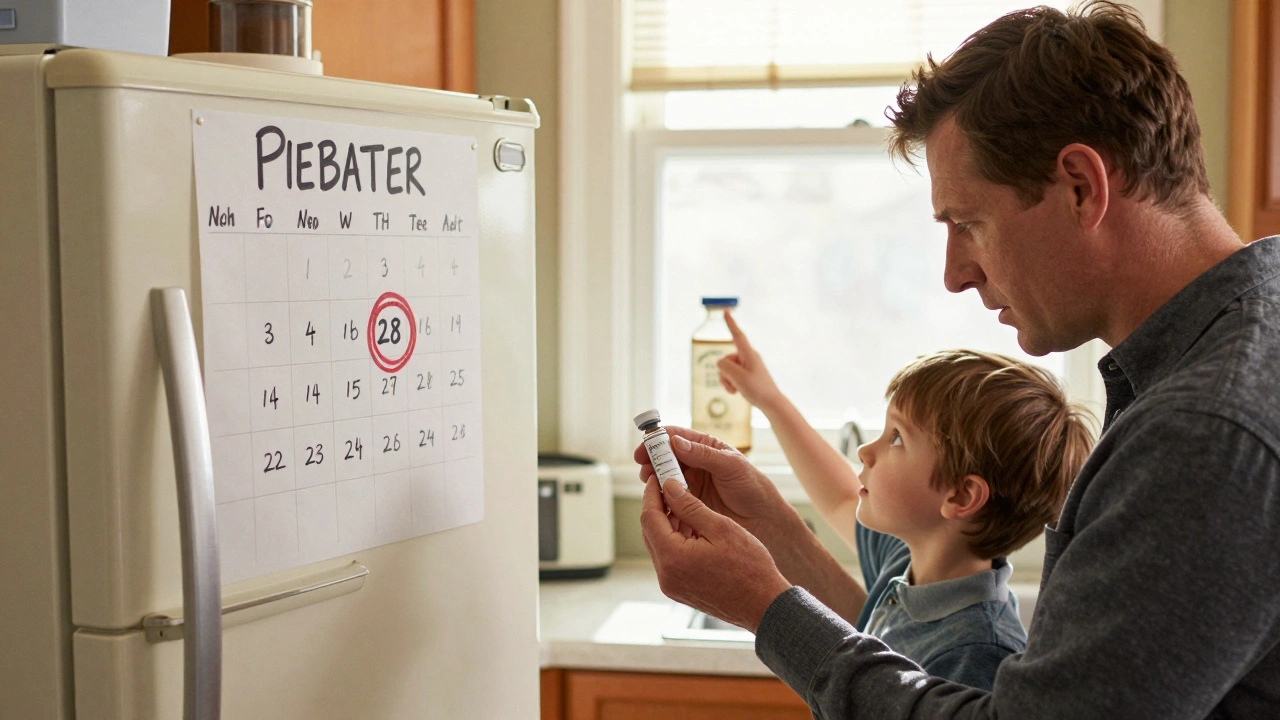
Insulin, EpiPens, and Nitroglycerin: What Happens When They Expire
Expired insulin, EpiPens, and nitroglycerin can fail in emergencies, leading to life-threatening consequences. Learn the real expiration rules and how to stay safe.
view more