Expired Medications: Risks, Risks, and What to Do Instead
When you find an old bottle of pills in the back of your medicine cabinet, it’s easy to think, "It’s probably still fine." But expired medications, drugs that have passed their manufacturer’s guaranteed effectiveness date. Also known as out-of-date medicine, they don’t just lose punch—they can become unpredictable, unsafe, or even harmful. The date on the bottle isn’t arbitrary. It’s the last day the manufacturer guarantees the drug will work as intended, at full strength, and without dangerous breakdown products.
Not all expired drugs are equally risky. Antibiotics like amoxicillin or tetracycline can break down into toxins that harm your kidneys. Insulin loses its ability to control blood sugar—dangerous for diabetics. Epinephrine auto-injectors? If they’re expired, they might not save your life during anaphylaxis. On the other hand, some painkillers like acetaminophen may just be weaker, not dangerous. But you won’t know how much weaker. And with no way to test potency at home, guessing isn’t worth it.
Medication storage, how you keep your drugs at home. Also known as drug storage conditions, it’s just as important as the expiration date. Heat, moisture, and light speed up degradation. A bathroom cabinet? Bad idea. Humidity from showers turns pills into mush. A drawer near the stove? Heat makes them break down faster. The best place is a cool, dry spot—like a bedroom drawer, away from windows. Even if the date hasn’t passed, bad storage can ruin your meds before their time.
And what about drug safety, the practice of using medications without causing harm. Also known as pharmaceutical safety, it’s not just about taking the right dose—it’s about taking the right drug, at the right time, in the right condition. Taking expired meds is a silent risk. You might think you’re saving money, but if the drug doesn’t work, you delay real treatment. A mild infection turns severe. High blood pressure stays uncontrolled. A migraine turns into a hospital visit. That’s not saving money. That’s gambling with your health.
So what should you do? First, don’t flush most pills down the toilet—many communities have drug take-back programs. Pharmacies, police stations, or health departments often collect old meds for safe disposal. If that’s not available, mix them with coffee grounds or cat litter in a sealed bag before tossing them. Never leave them in reach of kids or pets.
And if you’re low on cash and running out of meds? Talk to your doctor or pharmacist. Ask about authorized generics, brand-name drugs made by the same company but sold under a generic label. Also known as brand-name generics, they’re identical in strength and effect—but cost far less. Many of the posts here cover how to spot safe, cheap alternatives without risking your health. You don’t need to take expired pills to save money. There are better ways.
What you’ll find below are real cases, clear rules, and hard truths about what happens when drugs go bad. From fentanyl patches that turn deadly in heat to antibiotics that stop working, these aren’t theoretical warnings. These are stories from people who learned the hard way. And the solutions? They’re practical, simple, and ready to use today.
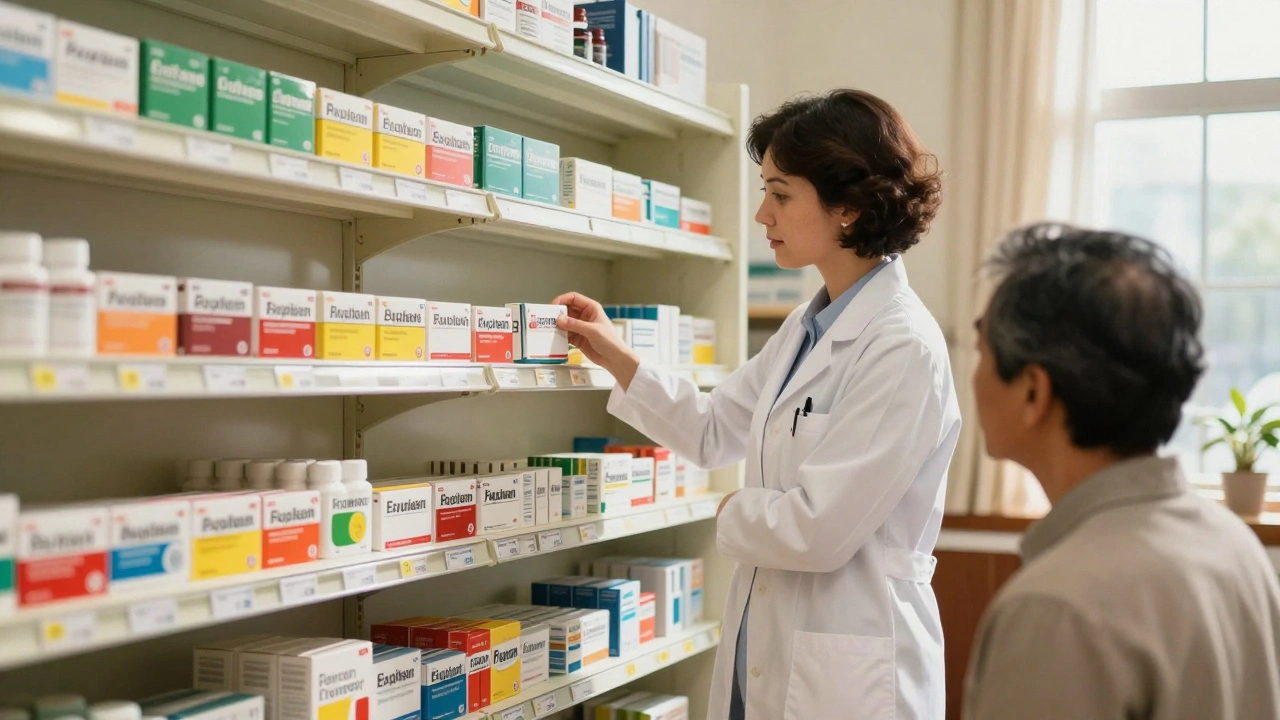
How to Prevent Waste While Keeping Medications Within Date
Learn practical, low-cost ways to prevent medication waste while keeping drugs safe and effective. Reduce expired pills, improve storage, and cut costs without high-tech tools.
view more