Expired Nitroglycerin: Risks, Alternatives, and What to Do Now
When you're relying on nitroglycerin, a fast-acting medication used to relieve chest pain by relaxing blood vessels and improving blood flow to the heart. Also known as glyceryl trinitrate, it's one of the most critical drugs for people with angina or a history of heart attacks. If your nitroglycerin has passed its expiration date, it’s not just outdated—it’s dangerous. Unlike many other pills that slowly lose strength, nitroglycerin breaks down quickly when exposed to heat, light, or air. A study from the FDA found that nitroglycerin tablets can lose up to 40% of their potency within just 3 months after opening, even when stored properly. By the time it’s expired, it may not work at all when your heart is screaming for help.
That’s why expired medications, drugs that have surpassed their manufacturer’s recommended use-by date, often pose hidden risks—especially with heart drugs. You might think, "It’s just a few months past the date," or "It still looks fine." But nitroglycerin doesn’t need to look bad to be useless. The tablets can turn crumbly or smell like vinegar, but even if they seem normal, their ability to dilate arteries drops sharply. And if you’re taking it for angina, a failed dose could mean the difference between walking off chest pain and ending up in the ER—or worse. The same goes for nitroglycerin spray: once opened, it typically lasts only 3 months, regardless of the printed expiration date. Storing it in your bathroom, car, or wallet? That’s a recipe for failure.
So what do you do? First, never take expired nitroglycerin in an emergency. If you feel chest pain and your nitroglycerin is past its date, call 911 immediately. Don’t wait. Second, replace it regularly. Keep a fresh bottle, store it in its original glass container away from heat and moisture, and always check the date before each use. Third, talk to your pharmacist about nitroglycerin alternatives, other heart medications that can help manage angina if nitroglycerin isn’t reliable or available. Options like isosorbide mononitrate or diltiazem may be better for long-term use, depending on your condition. And if cost is an issue, ask about authorized generics—they’re identical in effect but often much cheaper.
Many people don’t realize how much their heart medication depends on perfect storage and timing. Nitroglycerin isn’t like ibuprofen or antacids—it’s a life-saving tool that can turn into a placebo overnight. If you’ve been holding onto that old bottle "just in case," it’s time to toss it. Your heart won’t wait for you to get around to replacing it. Below, you’ll find real stories and expert advice from people who’ve faced this exact problem, along with practical tips on keeping your meds safe, recognizing when they’ve gone bad, and what to do next.
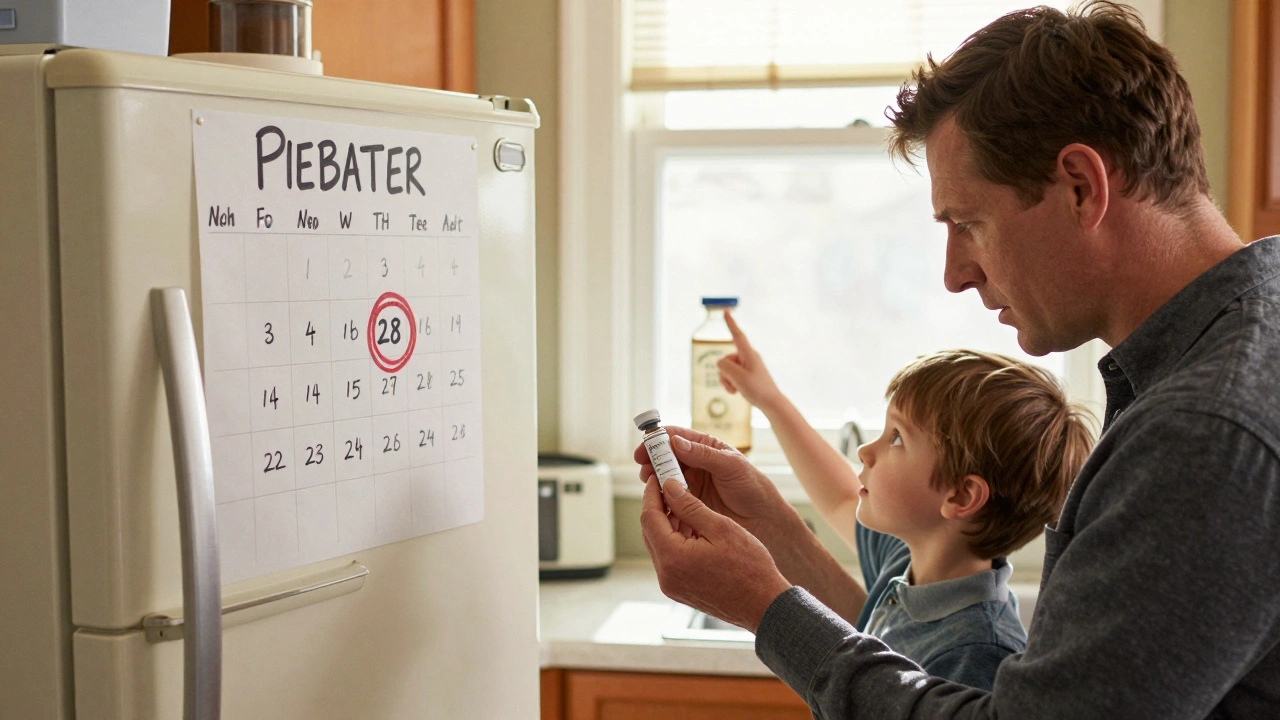
Insulin, EpiPens, and Nitroglycerin: What Happens When They Expire
Expired insulin, EpiPens, and nitroglycerin can fail in emergencies, leading to life-threatening consequences. Learn the real expiration rules and how to stay safe.
view more