Foodborne Illness: Causes, Risks, and How Medications Can Make It Worse
When you get sick from eating contaminated food, you’re dealing with foodborne illness, a preventable sickness caused by bacteria, viruses, or toxins in food. Also known as food poisoning, it’s not just a bad stomach ache—it can lead to hospitalization, long-term damage, or even death, especially if your body is already under stress from other medications. Every year, millions of people in the U.S. get sick from something they ate, and many of them are taking drugs that make their immune systems weaker or their guts more vulnerable.
People on immunosuppressants, drugs that lower the body’s ability to fight infections—like those used for autoimmune diseases or after organ transplants—are at much higher risk. If you’re taking TNF inhibitors, biologic drugs that block inflammation but also reduce infection defenses, or corticosteroids, common anti-inflammatory pills that suppress immune response, even a small amount of bad food can turn into a serious infection. The same goes for older adults whose kidneys and livers don’t clear toxins as well, or those on blood thinners, medications that prevent clots but increase bleeding risk from internal damage. A case of E. coli or Salmonella can cause internal bleeding in someone on warfarin, or trigger a dangerous drop in blood pressure in someone with heart disease.
It’s not just about what you eat—it’s about what you’re taking. Some drugs, like proton pump inhibitors (PPIs) for heartburn, reduce stomach acid, which is your first line of defense against harmful bacteria. Less acid means more bugs survive to reach your intestines. Others, like antibiotics, wipe out good gut bacteria and let dangerous ones take over. And if you’re taking supplements like turmeric or black pepper, they can interfere with your body’s ability to fight off infection or worsen bleeding if you develop complications. This isn’t theoretical. Real cases show people ending up in the ER because they took a daily pill that made them more vulnerable to something they ate.
What you’ll find below are real, practical stories from people who’ve dealt with foodborne illness while managing other health conditions. Some learned the hard way that their medication made a simple case of food poisoning life-threatening. Others found out how timing, storage, or even a change in diet could have prevented it. These aren’t general warnings—they’re specific lessons from patients, pharmacists, and doctors who’ve seen the damage firsthand. Whether you’re managing diabetes, taking blood thinners, or just trying to stay healthy as you age, the way your body handles food and medicine together matters more than you think.
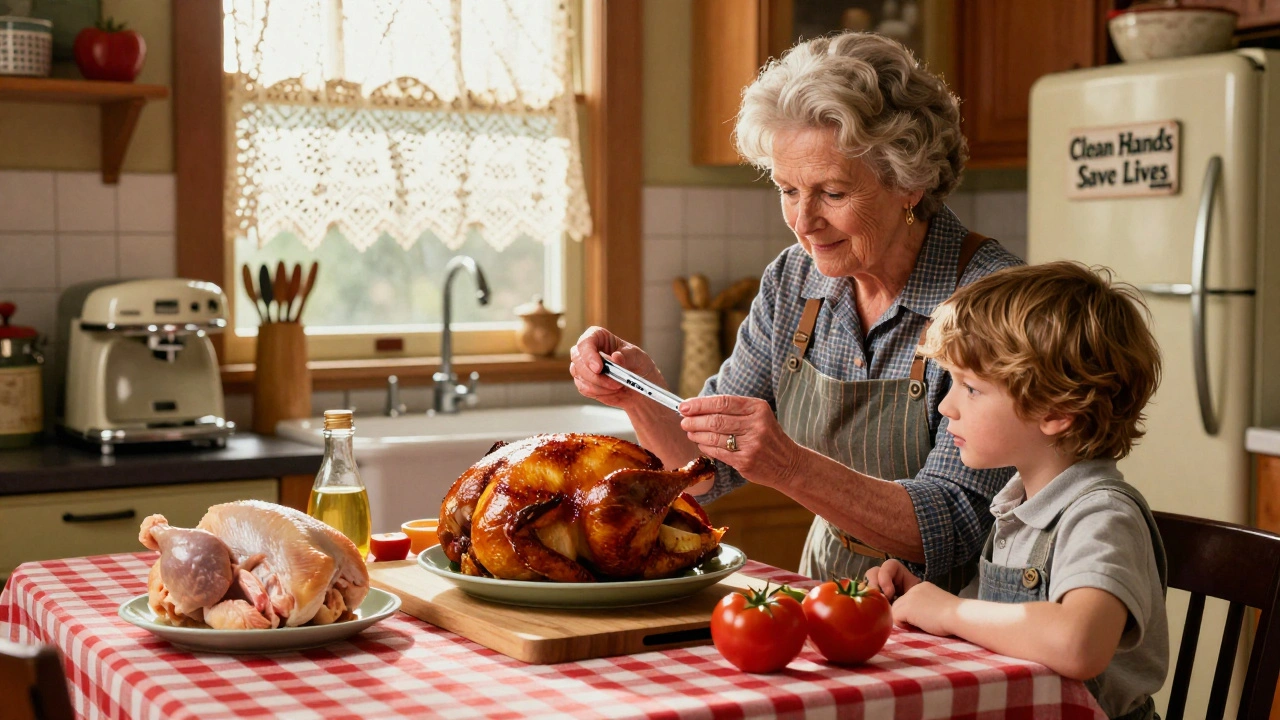
Foodborne Illnesses: Common Pathogens and How to Stay Safe
Learn about the most common foodborne pathogens like Salmonella, Listeria, and Norovirus, how they spread, and the proven steps you can take to protect yourself and your family from food poisoning.
view more