Heat Exposure – What It Means and How to Stay Safe
When dealing with heat exposure, the condition of being subjected to high temperatures that can affect the body’s normal function. Also known as thermal stress, it can trigger dehydration, a rapid loss of body fluids that lowers blood volume and impairs cooling and even lead to heat stroke, a life‑threatening emergency where the core temperature spikes above 40 °C and organ systems fail. The skin’s first line of defense, sunburn, inflammation caused by ultraviolet radiation that damages epidermal cells, also falls under the umbrella of heat‑related injury. In short, heat exposure encompasses these sub‑conditions, requires proper hydration, and influences overall performance and health.
Key Factors and Practical Actions
Understanding the attributes of each related condition helps you pick the right countermeasure. Dehydration is measured by urine color, thirst intensity, and weight loss; a loss of more than 2 % of body weight signals a need for immediate fluid replacement. Heat stroke often follows prolonged heat exhaustion—a state marked by heavy sweating, dizziness, and rapid heartbeat—so early recognition can prevent the severe escalation. Sunburn severity is graded by redness, pain, and blister formation, guiding whether over‑the‑counter creams or medical care are needed. The body combats heat exposure through sweating, vasodilation, and increased respiratory rate; however, these mechanisms falter when humidity is high or when clothing traps heat. Wearing light, breathable fabrics, sipping electrolyte‑rich fluids, and scheduling intense activity during cooler morning hours are proven ways to sustain core temperature within safe limits.
Below you’ll find a curated collection of articles that dive deeper into how heat exposure interacts with everyday health topics— from gut‑friendly probiotic timing to managing medication side‑effects in hot climates. Whether you’re planning an adventure sport trip, dealing with travel‑related motion sickness, or simply trying to avoid a sunburn on a weekend outing, these resources give you the facts and tips you need to stay comfortable and safe when the temperature climbs.
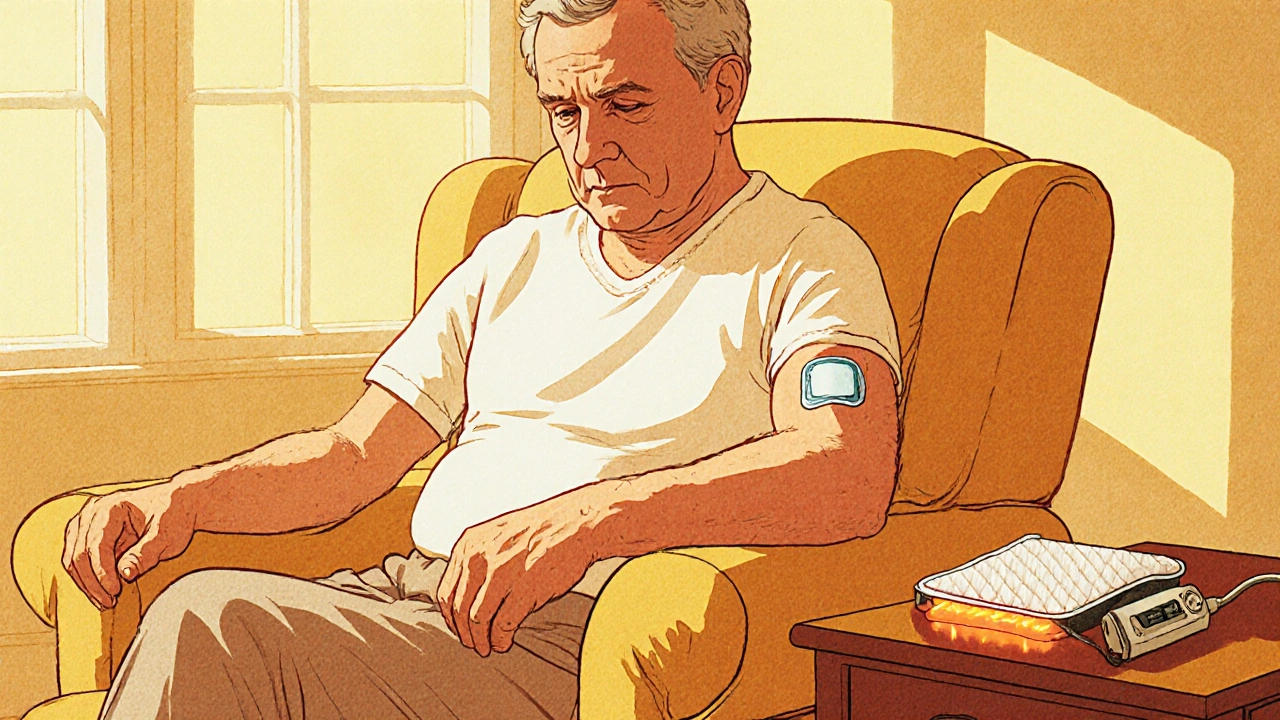
Heat Risks with Fentanyl Patches: How Heat Boosts Absorption and Increases Overdose Danger
Learn how heat boosts fentanyl patch absorption, the overdose risk it creates, and practical steps to stay safe. Real cases, science, and clear safety tips guide patients and caregivers.
view more