Medication Eye Emergency: Signs, Risks, and What to Do Immediately
When a medication eye emergency, a sudden, serious reaction to a drug that threatens vision or eye health. Also known as ocular drug toxicity, it can strike without warning—even from medications you’ve taken safely before. This isn’t just discomfort. It’s a race against time. A drop of the wrong eye solution, an accidental splash of oral medication, or a systemic drug reaction can cause burns, swelling, pressure spikes, or even permanent blindness in minutes.
Some of the most dangerous culprits include antibiotics, like fluoroquinolones, which can trigger corneal ulcers if misused, or steroids, used for inflammation but capable of raising eye pressure to dangerous levels. Even common pills like hydroxychloroquine, a malaria and autoimmune drug, can build up and damage the retina over time. And don’t forget topical meds—over-the-counter redness relievers, if used too long, can rebound and cause severe irritation. These aren’t rare cases. Emergency rooms see them regularly, often because people don’t realize a medication could hurt their eyes.
What does a real medication eye emergency look like? Sudden blurred vision, intense pain, light sensitivity, or seeing halos around lights. Redness that doesn’t fade. A feeling like sand is in your eye. Or worse—sudden loss of vision in one eye. These aren’t things to wait on. If you’re on any long-term medication and notice changes in your sight, or if you accidentally get a drug in your eye, rinse immediately with clean water for 15 minutes and get help. Don’t wait for it to get worse. Many cases are preventable with better awareness. Below, you’ll find real cases, drug-specific risks, and clear steps to protect your vision—whether you’re a patient, caregiver, or just someone who takes pills and uses eye drops.
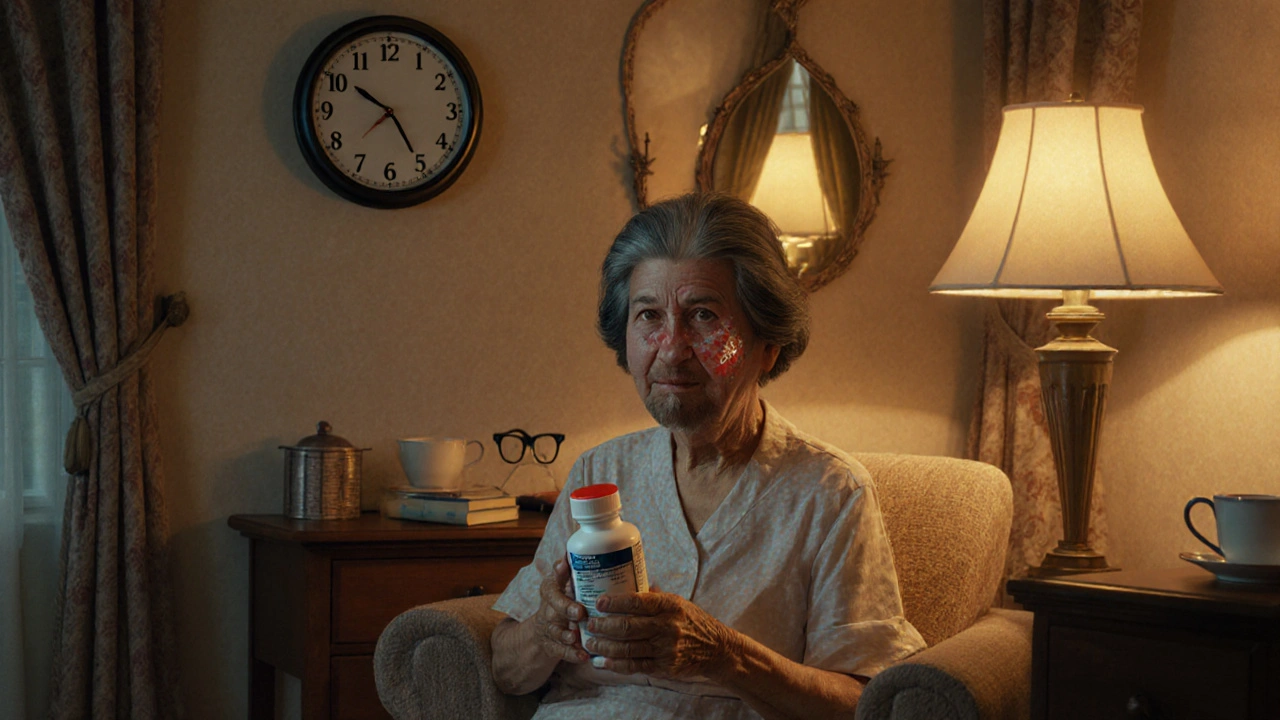
Medication-Induced Acute Angle-Closure Glaucoma: What You Need to Know Before Taking Common Drugs
Medications like decongestants, antihistamines, and antidepressants can trigger sudden, sight-threatening eye pressure spikes in people with narrow eye angles. Learn the warning signs, risk factors, and how to prevent permanent vision loss.
view more