Overdose Risk: What You Need to Know
When dealing with overdose risk, the chance that a drug dose exceeds the body’s safe limits. Also known as drug overdose danger, it can lead to severe health outcomes or death. Most people think of it as a rare event, but everyday meds can push you into danger if you ignore dosing rules. The moment a dose goes beyond what the liver, kidneys, or heart can process, the body’s balance tips, and toxicity spikes. That’s why understanding how overdose risk builds is the first defense.
One key driver is drug dosage, the amount of medication taken at one time. When dosage is too high, the therapeutic window narrows and you inch closer to harmful levels. For example, taking double the prescribed amount of an opioid or a potent antibiotic like levofloxacin can trigger rapid toxicity. Another contributor is side effects, unintended reactions that appear after taking a drug. Some side effects, such as dizziness or nausea, may mask an early overdose signal, leading users to ignore warning signs. Finally, drug toxicity, how harmful a substance becomes at high concentrations determines how quickly an overdose turns critical. Toxicity varies by drug class – tetracycline antibiotics can cause kidney stress, while testosterone boosters may overload the liver. In short, overdose risk encompasses drug dosage errors, requires awareness of side effects, and is influenced by drug toxicity.
So, how do you keep overdose risk low? Start by tracking every dose with a pill organizer or a digital reminder – even a missed dose can lead you to double‑up later. Read the label for maximum daily limits and watch for warning symbols. If you’re mixing meds, such as probiotics with antibiotics (see our guide on timing to cut side effects), check for interactions that can raise toxicity. Regular blood tests for drugs with narrow safety windows, like certain hormone boosters, give you objective data before problems emerge. Talk to a pharmacist whenever you switch brands or change the form (tablet vs. liquid). The articles below dive into specific cases – from comparing doxycycline with other antibiotics to assessing letrozole safety – giving you real‑world context for managing overdose risk across many drug families. Armed with these basics, you’ll be ready to navigate the list of resources ahead.
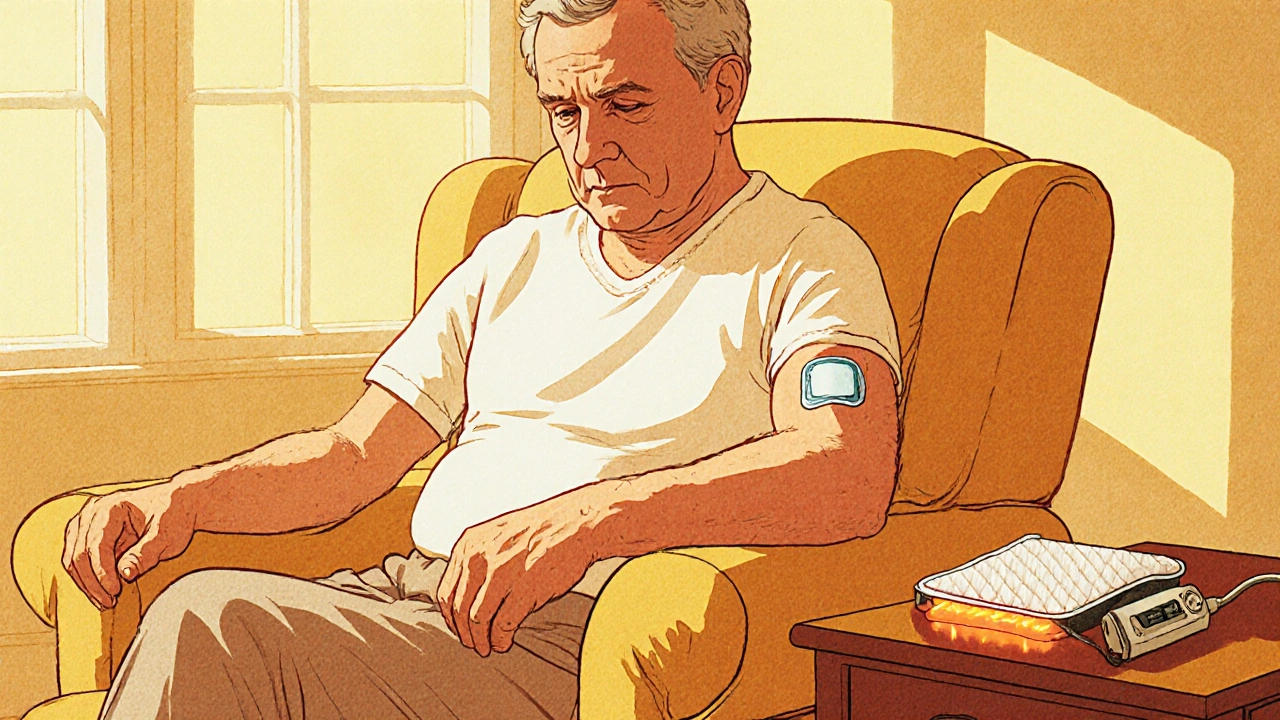
Heat Risks with Fentanyl Patches: How Heat Boosts Absorption and Increases Overdose Danger
Learn how heat boosts fentanyl patch absorption, the overdose risk it creates, and practical steps to stay safe. Real cases, science, and clear safety tips guide patients and caregivers.
view more