Salmonella: What It Is, How It Spreads, and How Medications Can Help or Hurt
When you hear Salmonella, a type of bacteria that causes foodborne illness with symptoms like diarrhea, fever, and stomach cramps. Also known as Salmonellosis, it's one of the most common causes of food poisoning in the U.S. and worldwide. It doesn’t just come from undercooked chicken—it’s in eggs, sprouts, peanut butter, and even pet reptiles. Every year, over 1 million people in the U.S. get sick from it, and thousands end up in the hospital. Most recover on their own, but for some—especially the elderly, young kids, or people with weak immune systems—it can turn deadly.
Antibiotic resistance, when bacteria like Salmonella stop responding to drugs meant to kill them is making this problem worse. Doctors used to treat severe cases with antibiotics like ciprofloxacin or azithromycin. But now, overuse in farms and humans has led to strains that don’t respond to those drugs anymore. That’s why, for most healthy people, doctors won’t even prescribe antibiotics—they know it won’t help much and could make things worse by killing off good gut bacteria. Instead, the focus is on fluids, rest, and letting your body fight it off. But if you’re at risk, skipping treatment can be dangerous.
Food safety, the practices that prevent contamination from bacteria like Salmonella is your best defense. Washing hands after handling raw meat or eggs, cooking poultry to 165°F, avoiding raw milk, and keeping pets like turtles away from kitchen counters aren’t just old advice—they’re science-backed. Even one mistake can lead to an outbreak. And while you can’t always control how food is handled at restaurants or grocery stores, you can control what you do at home.
What you’ll find in the posts below isn’t just about Salmonella itself. It’s about how drugs interact with infections, how common treatments can backfire, and how everyday choices—like taking supplements, using OTC meds, or ignoring expiration dates—can change your outcome. You’ll see how antibiotics can cause more harm than good, how aging affects your body’s ability to fight off infections, and why even a simple case of food poisoning can become serious if you’re on other medications. This isn’t a list of symptoms and cures. It’s a practical guide to understanding what really matters when your body is under attack from something as small as a bacterium.
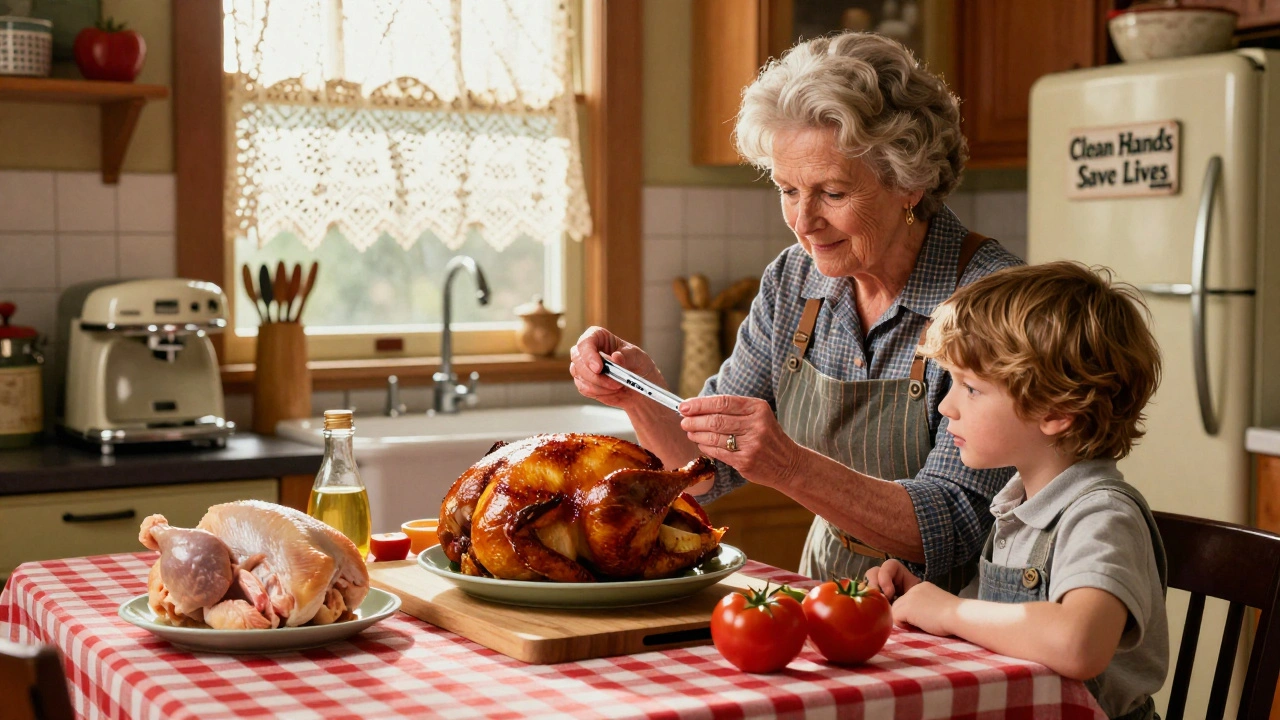
Foodborne Illnesses: Common Pathogens and How to Stay Safe
Learn about the most common foodborne pathogens like Salmonella, Listeria, and Norovirus, how they spread, and the proven steps you can take to protect yourself and your family from food poisoning.
view more