Severe Pancreatitis Treatment: What Works, What to Avoid
When severe pancreatitis treatment, the medical approach to managing life-threatening inflammation of the pancreas. Also known as acute necrotizing pancreatitis, it’s not just a bad stomach ache—it’s a hospital-level emergency that can turn deadly in hours if ignored. This isn’t the kind of pain you push through with antacids. It’s constant, deep, and often radiates to your back. People with severe pancreatitis don’t just feel sick—they’re at risk of organ failure, infection, and internal bleeding. The goal of treatment isn’t to cure it overnight, but to stop it from killing you.
What actually helps? IV fluids, rapid, aggressive hydration given through a vein to maintain blood pressure and kidney function—that’s step one. Studies show patients who get enough fluids early are far less likely to develop complications. No fancy drugs, no miracle supplements. Just enough fluid to keep organs working while the pancreas calms down. Then comes pain control—usually with opioids, because nothing else cuts it. And fasting. Yes, you read that right. You stop eating. Not for a day, not for a meal. Often for days. Why? Because food triggers the pancreas to churn out digestive enzymes, and when it’s already inflamed, that’s like pouring gasoline on a fire.
Hospital care for pancreatitis, the intensive monitoring and intervention needed when the pancreas shuts down or becomes infected is non-negotiable. You won’t get better in bed with ice packs. You need constant blood tests, imaging like CT scans to check for dead tissue, and sometimes surgery if infection sets in. Antibiotics aren’t used unless there’s clear infection—giving them too early does more harm than good. And if you’re a heavy drinker, stopping alcohol isn’t a suggestion—it’s part of the treatment plan. Same with gallstones. If those are the cause, removing the gallbladder later might be the only way to keep this from coming back.
What doesn’t work? Over-the-counter painkillers like ibuprofen or naproxen—they can make things worse. Herbal remedies? No proof they help, and some might hurt. Pushing yourself to eat too soon? That’s a fast track to a longer hospital stay. And don’t wait to see if it gets better. If your pain is sharp, constant, and doesn’t ease up, go to the ER—not tomorrow, not after work. Delayed treatment is the biggest reason people die from this.
Recovery isn’t quick. Even after you leave the hospital, you’ll need follow-up scans, diet changes, and often enzyme supplements to help digest food. Some people never fully bounce back. But if you get the right care fast, your chances of survival jump dramatically. Below, you’ll find real cases, practical advice, and clear explanations from doctors and pharmacists on how to navigate this condition—what to expect, what to ask for, and how to avoid the most common mistakes.
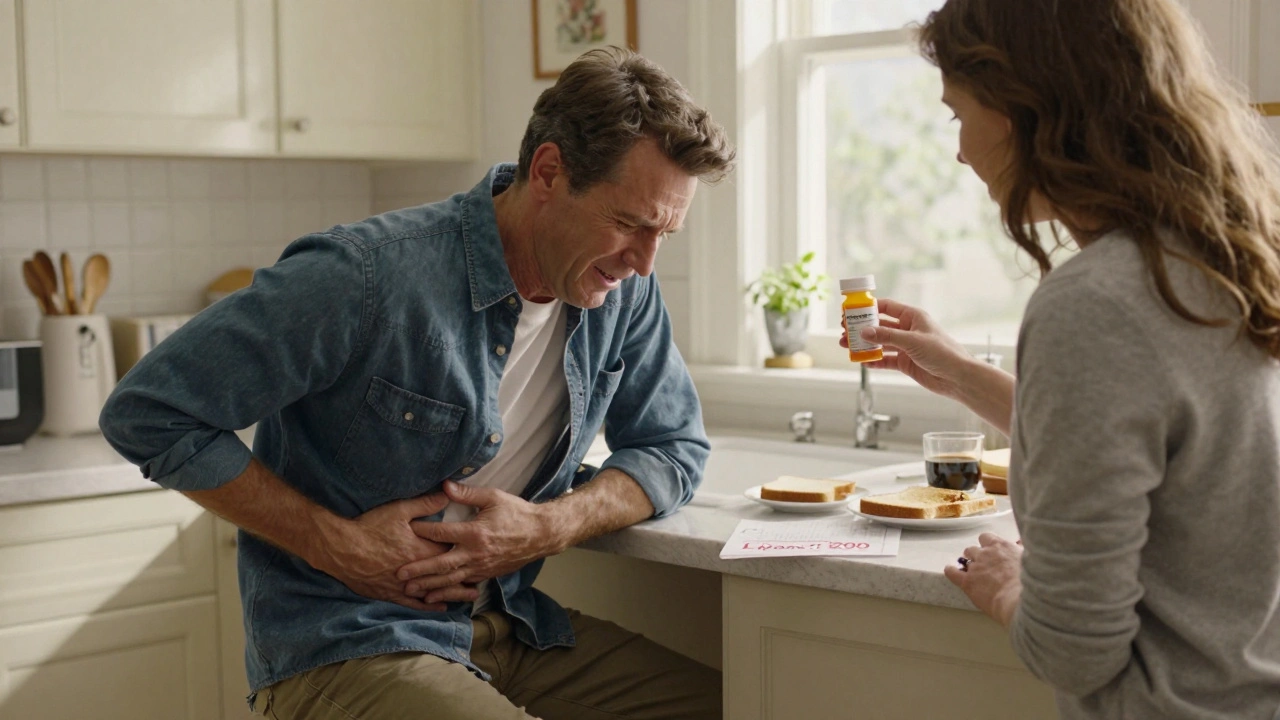
Severe Pancreatitis from Medications: Warning Signs and Treatment
Drug-induced severe pancreatitis is a rare but life-threatening reaction to certain medications. Learn the warning signs, high-risk drugs, and critical treatment steps to prevent permanent damage or death.
view more