Sunscreen Effectiveness: What Really Works and What Doesn't
When you buy a bottle labeled sunscreen effectiveness, how well a product blocks harmful ultraviolet rays to prevent sunburn and skin damage. Also known as UV protection, it's not just about staying tan-free—it's about reducing your risk of skin cancer over time. Many people think a higher SPF number means total protection, but that’s a myth. SPF 30 blocks about 97% of UVB rays. SPF 50 blocks 98%. Beyond that, the gain is tiny, but the price and false confidence keep climbing.
SPF rating, a measure of how long sunscreen delays sunburn compared to unprotected skin. But SPF only measures UVB protection—the kind that burns your skin. What you really need is broad spectrum sunscreen, a formula that protects against both UVB and UVA rays. UVA rays don’t burn, but they penetrate deeper, breaking down collagen and contributing to skin aging and melanoma. If the label doesn’t say "broad spectrum," it’s not enough. And don’t assume water-resistant means all-day protection. Even the best sunscreens wash off, sweat off, or rub off after two hours—or sooner if you’re swimming or towel-drying.
Here’s what most people miss: sunscreen effectiveness isn’t just about the product. It’s about how much you use. The average person applies only 25-50% of the recommended amount. You need about one ounce—enough to fill a shot glass—to cover your whole body. Miss spots like ears, back of the neck, tops of feet, and lips. And reapply every two hours, no matter what the bottle says. Even "all-day" formulas break down under sunlight and skin contact.
Some ingredients work better than others. Zinc oxide and titanium dioxide sit on top of the skin and physically block rays. They’re gentle, stable, and safe for kids and sensitive skin. Chemical filters like avobenzone and octocrylene absorb UV energy, but they can irritate skin and degrade faster in the sun. Look for formulas with stabilized avobenzone or newer filters like Tinosorb if you prefer chemical sunscreens.
And don’t forget: sunscreen is just one tool. Hats, sunglasses, UV-blocking clothing, and shade are just as important. No amount of lotion can replace staying out of direct sun between 10 a.m. and 4 p.m. Especially if you’re fair-skinned, have a family history of skin cancer, or take medications that increase sun sensitivity—like some antibiotics, diuretics, or acne treatments.
What you’ll find below are real, tested insights from people who’ve dealt with sun damage, skin cancer scares, and medication reactions. We’ve pulled together what actually works, what’s overhyped, and what you need to know before you slather on that next bottle. No fluff. No marketing. Just what keeps your skin safe—day after day.
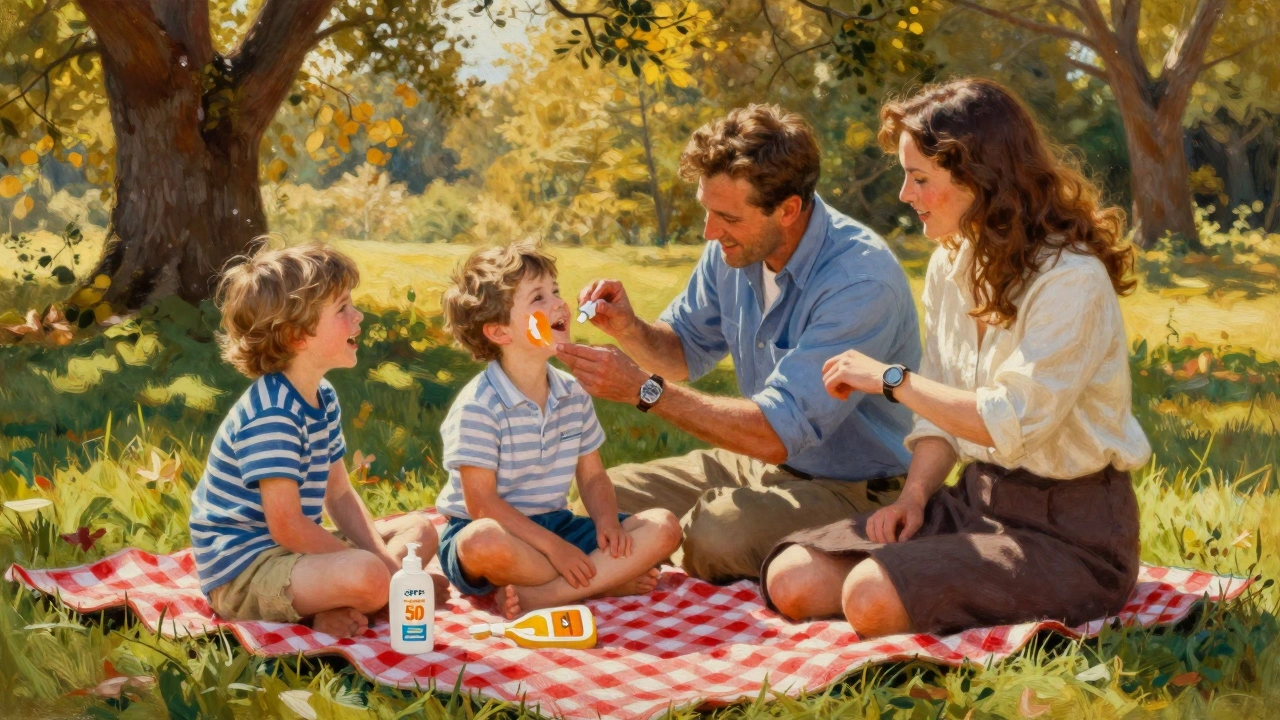
OTC Sunscreens: How to Choose SPF, Broad Spectrum, and When to Reapply
Learn how to choose the right OTC sunscreen, understand SPF and broad spectrum claims, and master reapplication to truly protect your skin from sun damage and skin cancer.
view more