Theophylline Dose Reduction: When and How to Lower Your Dose Safely
When you're taking theophylline, a bronchodilator used to treat asthma and COPD by relaxing airway muscles. Also known as methylxanthine, it helps you breathe easier—but its narrow safety window means even small changes in your body can turn a helpful dose into a dangerous one. That’s why theophylline dose reduction isn’t just a number change—it’s a safety step. Many people don’t realize how easily things like new medications, liver changes, or even smoking can bump up the drug’s levels in your blood. Too much theophylline can cause nausea, rapid heartbeat, or even seizures. Reducing the dose isn’t about giving up—it’s about keeping you stable and out of the ER.
Doctors often adjust theophylline when other factors shift. For example, if you start taking antibiotics, like ciprofloxacin or erythromycin, which slow down how your liver breaks down theophylline, your levels can spike. Or if you quit smoking, your body suddenly processes the drug slower—meaning your old dose becomes too strong. Even something as simple as switching from coffee to tea can matter, since caffeine interacts with the same liver enzymes. That’s why drug monitoring, regular blood tests to measure theophylline concentration is non-negotiable. It’s not optional. It’s how you avoid toxicity without losing control of your breathing.
There’s no one-size-fits-all plan for lowering theophylline. Some people cut their dose by 25% and wait a week before testing again. Others need smaller steps, especially older adults or those with liver issues. The goal isn’t to feel worse—it’s to feel just right. If you’ve been on the same dose for years and your symptoms are under control, your doctor might still want to check your levels. Why? Because your body changes. Your kidneys don’t work the same at 60 as they did at 30. Your diet changes. You start a new supplement. All of it affects how theophylline behaves in your system. That’s why this isn’t something to guess at. It’s something to manage with data, not intuition.
What you’ll find below are real, practical guides from people who’ve walked this path—whether they were cutting back after liver problems, adjusting after quitting smoking, or switching from brand to generic and noticing side effects. These aren’t theories. They’re experiences with clear takeaways: how to spot warning signs, what questions to ask your doctor, and how to track your progress without panic. No fluff. No guesswork. Just what works when your breathing depends on getting the dose just right.
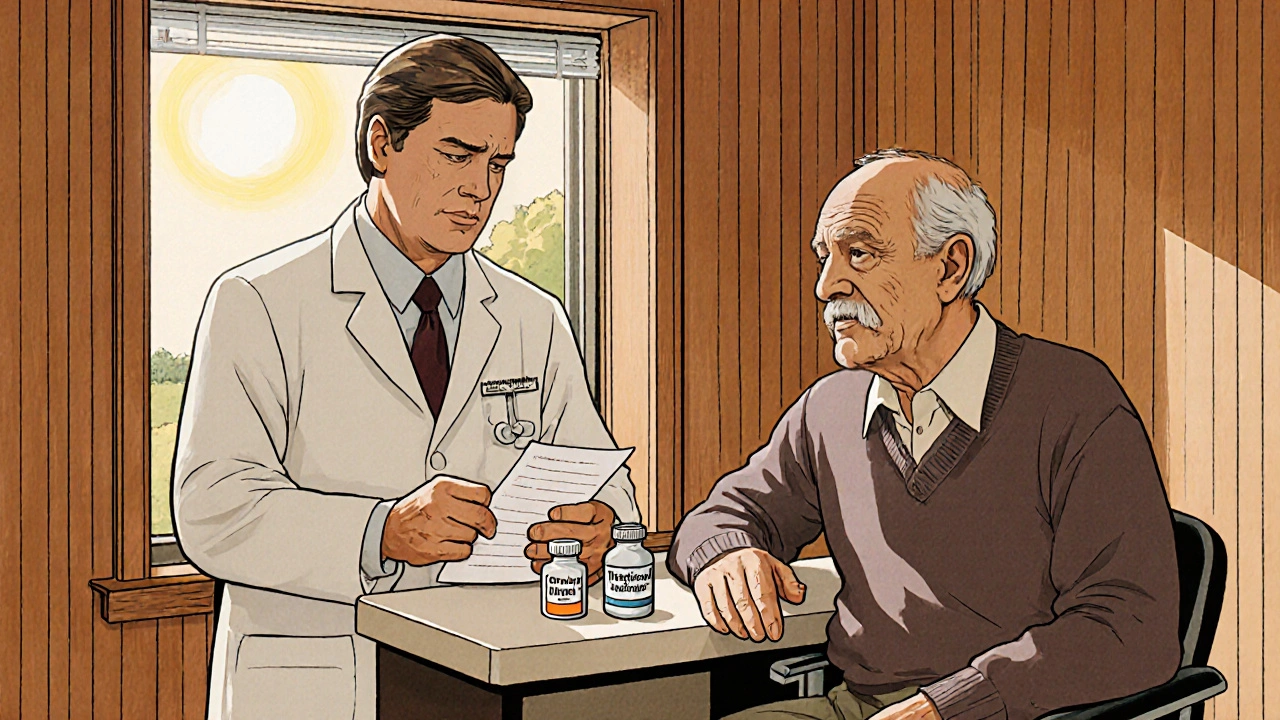
Ciprofloxacin‑Theophylline Interaction: How to Prevent Toxicity
Learn why ciprofloxacin raises theophylline levels, who’s most at risk, and step‑by‑step actions to prevent dangerous toxicity.
view more