Theophylline Toxicity: Signs, Risks, and What to Do
When theophylline, a bronchodilator used to treat asthma and COPD builds up too high in your blood, it turns from a lifesaver into a threat. This is called theophylline toxicity, a dangerous condition caused by excessive levels of the drug in the body. It doesn’t happen overnight—it’s usually the result of a slow buildup, often because people don’t realize how easily factors like smoking, infections, or even certain foods can change how their body processes the drug.
Many people think if they take their pill as prescribed, they’re safe. But theophylline levels, the amount of drug circulating in the bloodstream are tricky. They can spike if you start or stop smoking, take antibiotics like ciprofloxacin, or get sick with the flu. Your liver slows down when you’re ill, and suddenly, the same dose that kept you breathing fine last week is now too much. theophylline overdose, a medical emergency caused by too much theophylline doesn’t always look like a classic drug reaction. You might feel shaky, nauseous, or have a racing heartbeat—not the scary seizures you might expect. That’s why it’s often missed until it’s serious.
What makes theophylline toxicity so dangerous is how fast it can spiral. Early signs like nausea and restlessness are easy to brush off. But if your heart starts skipping or you start vomiting uncontrollably, you need help now. Blood tests can catch it early—if your doctor is looking. That’s why knowing your risk factors matters. Older adults, people with liver disease, or those on multiple medications are at higher risk. And unlike some drugs, there’s no easy antidote. Treatment means stopping the drug, supporting your body, and sometimes using activated charcoal or even dialysis.
The posts below don’t just talk about theophylline in isolation. They show how drug interactions, body changes, and everyday habits can quietly turn a safe medication into a hazard. You’ll find real examples of how antibiotics, heat, and even diet affect how your body handles powerful drugs—like how heat boosts fentanyl absorption or how probiotics change antibiotic effects. These aren’t abstract ideas. They’re the same forces that can push theophylline into toxic territory. What you learn here isn’t just about one drug. It’s about understanding how your body reacts to meds in real life—and how to stay in control.
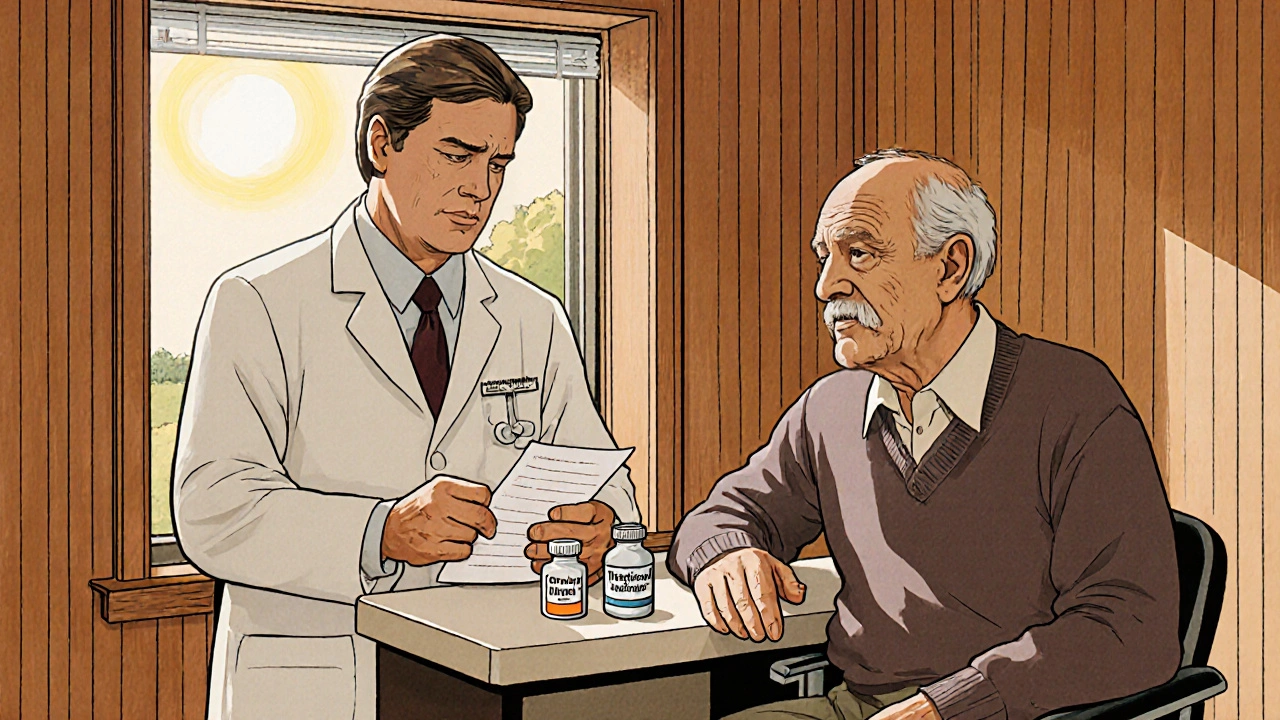
Ciprofloxacin‑Theophylline Interaction: How to Prevent Toxicity
Learn why ciprofloxacin raises theophylline levels, who’s most at risk, and step‑by‑step actions to prevent dangerous toxicity.
view more