Medication Expiration: What Really Happens When Drugs Go Bad
When you see an expiration date, the date a manufacturer guarantees a medication will remain fully potent and safe under recommended storage conditions. Also known as use-by date, it’s not a magic cutoff where pills suddenly turn toxic—but it’s not just a marketing trick either. Most medicines don’t become poisonous after that date. Instead, they slowly lose strength. A 2012 FDA study found that 90% of over 100 drugs were still effective even 15 years past their expiration date, if stored properly. But that doesn’t mean you should keep every bottle forever.
What really matters is storage conditions, how heat, moisture, and light affect a drug’s chemical stability. A bottle of amoxicillin left in a hot bathroom will break down faster than one kept in a cool, dry drawer. Insulin, nitroglycerin, and liquid antibiotics are especially sensitive—they can lose potency in days if not refrigerated. On the flip side, solid tablets like ibuprofen or metformin often stay stable for years. But if your pills are cracked, discolored, or smell weird, toss them. That’s not about the date—it’s about visible damage.
Drug potency, the strength of active ingredients in a medication is what keeps you safe. If your blood pressure pill loses 20% of its strength, you might not realize it until your numbers spike. Same with antibiotics—underdosed pills can lead to resistant infections. And for life-saving drugs like epinephrine auto-injectors or seizure meds? Never risk it. The expiration date is there for a reason: to make sure you get the full dose you need.
Expired expired medicines, drugs used past their labeled shelf life aren’t always dangerous, but they’re unpredictable. You can’t tell by looking if a pill still works. That’s why pharmacies don’t sell them and doctors don’t prescribe them past the date. If you’re running low on a critical med, call your pharmacy. They can often give you a small supply or help you get a refill fast. Don’t wait until your last pill is gone.
What about those old bottles in your medicine cabinet? If they’re not life-critical, consider safe disposal. Many pharmacies and police stations take back old meds—no questions asked. Flushing or trashing them isn’t ideal, but it’s better than risking a child or pet getting into them. And if you’re unsure? When in doubt, throw it out. Your health isn’t worth guessing.
Below you’ll find real-world guides on how different drugs behave over time, what to watch for with common medications, and how to store them right so they actually work when you need them most.
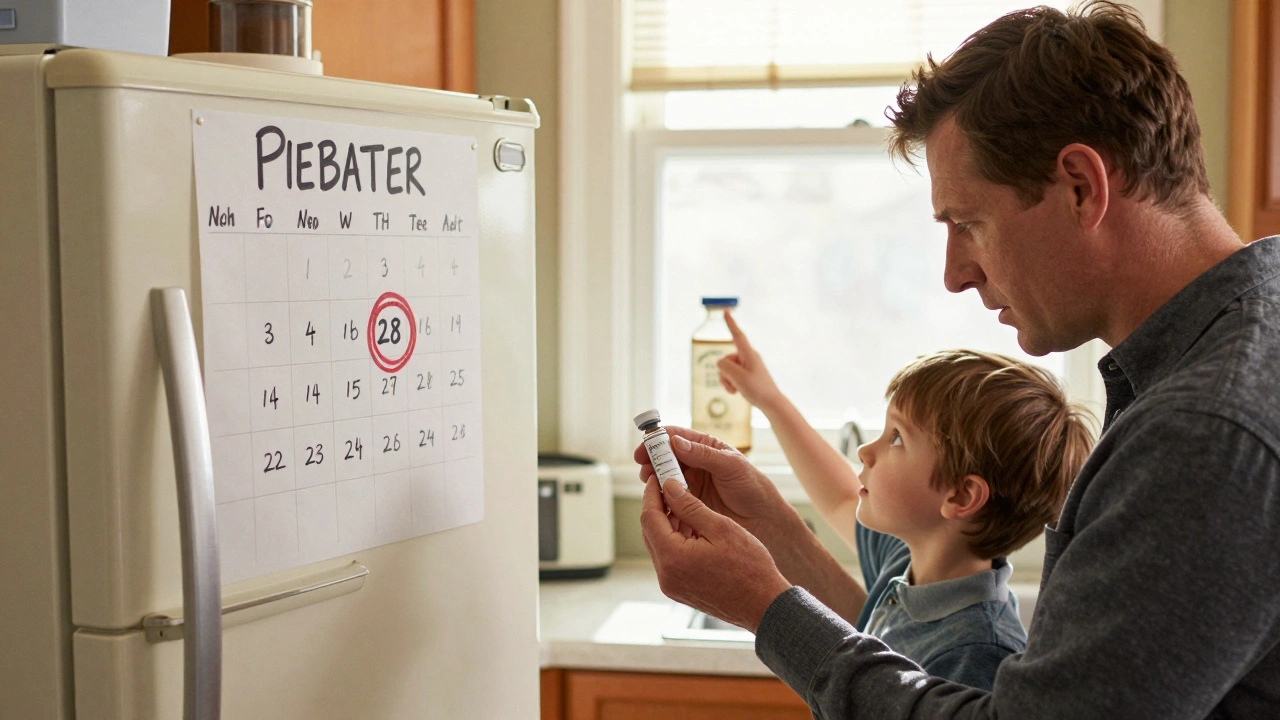
Insulin, EpiPens, and Nitroglycerin: What Happens When They Expire
Expired insulin, EpiPens, and nitroglycerin can fail in emergencies, leading to life-threatening consequences. Learn the real expiration rules and how to stay safe.
view more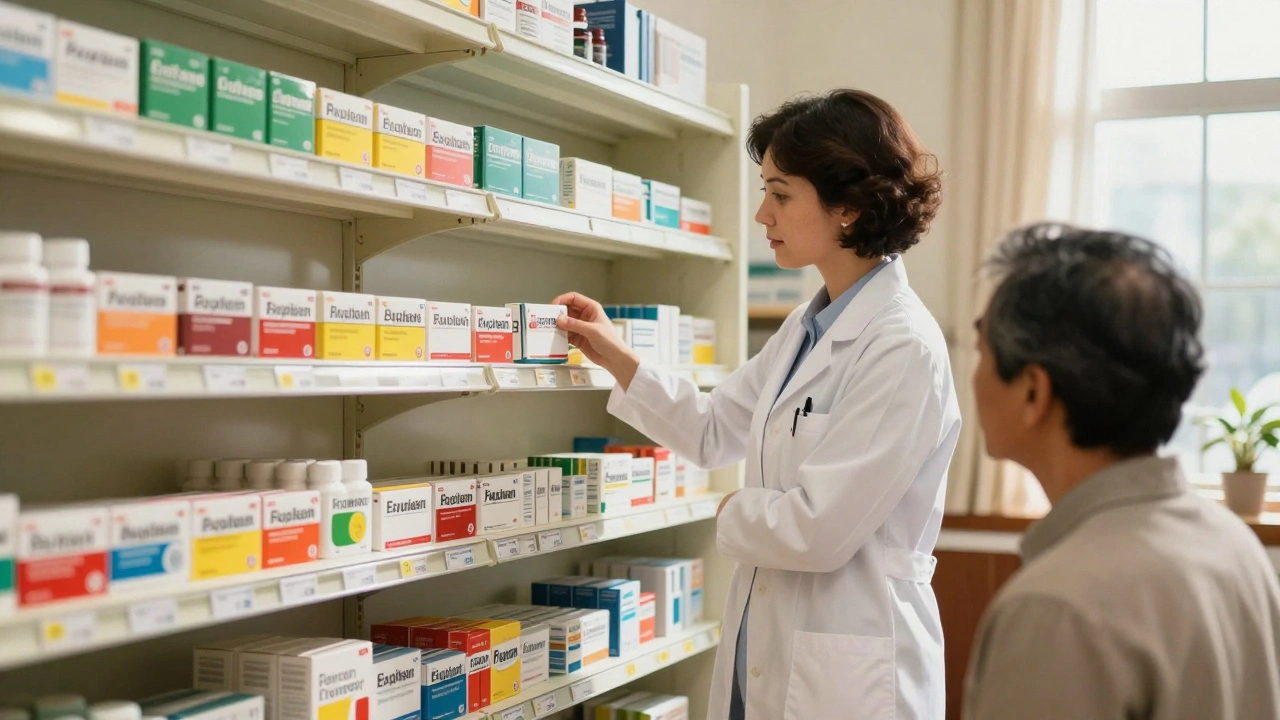
How to Prevent Waste While Keeping Medications Within Date
Learn practical, low-cost ways to prevent medication waste while keeping drugs safe and effective. Reduce expired pills, improve storage, and cut costs without high-tech tools.
view more