Medication Safety and Kidney Health in 2025: Key Drug Interactions and Monitoring
When it comes to medication safety, the practice of using drugs correctly to avoid harm while maximizing benefit. Also known as drug safety, it’s not just about taking pills as directed—it’s about understanding how they behave in your body, who else might be affected, and what hidden risks you might not see coming. In November 2025, our most-read posts dug into real-world dangers that fly under the radar: a common decongestant triggering sudden blindness in people with narrow eye angles, antibiotics curing ulcers by killing bacteria no one talks about, and blood thinners causing silent internal bleeding that catches people off guard.
One major theme? kidney function, how well your kidneys filter waste and maintain fluid balance. Also known as renal health, it’s often ignored until it’s too late. Tests like creatinine, GFR, and urinalysis aren’t just lab numbers—they’re early warning signals. Many people don’t realize that common painkillers, blood pressure meds, and even some supplements can slowly damage kidneys without symptoms. And when kidneys weaken, drug metabolism changes. That’s why phenytoin and warfarin become a dangerous pair—phenytoin changes how warfarin works, making bleeding risk spike or vanish overnight. That’s why INR monitoring isn’t optional. It’s life-saving.
Then there’s drug interactions, when two or more medications change each other’s effects in harmful or unexpected ways. Also known as medication interactions, they’re behind most preventable hospital visits. SAMe boosting antidepressants? That’s serotonin syndrome waiting to happen. Opioids mixing with antiemetics? Some drugs make nausea worse. And don’t forget supplements—herbal remedies like St. John’s wort or turmeric can quietly wreck your prescription plan. That’s why telling your doctor what you’re taking isn’t just good advice—it’s non-negotiable.
But it’s not all risk. November also brought smart solutions. authorized generics, brand-name drugs made by the same company but sold at generic prices. Also known as brand-equivalent generics, they’re identical in every way—same active ingredient, same factory, same quality. Pharmacists should push these for high-risk meds like seizure drugs or blood thinners, where tiny dose changes can cause big problems. And they cost 20 to 80% less. Why pay more for the same pill?
From diabetic meal plans that use the plate method instead of carb counting, to TRT helping tinnitus sufferers retrain their brains, to pediatric dosing tips that keep kids safe at home—this month’s content wasn’t just technical. It was practical. Real. For people managing chronic conditions, caring for kids, or just trying not to get hurt by their own meds.
You’ll find detailed guides on what to do when a blood thinner overdose happens, how to spot glaucoma triggered by allergy pills, why H. pylori needs antibiotics not just antacids, and how to read FDA safety archives to check if your drug has a hidden history. These aren’t abstract ideas. They’re steps you can take today to protect yourself, your family, or someone you care about.

Kidney Function Tests: Creatinine, GFR, and Urinalysis Explained
Learn how creatinine, GFR, and urinalysis tests reveal kidney health early-before symptoms appear. Understand what your results mean and how to protect your kidneys with simple steps.
view more
Medication-Induced Acute Angle-Closure Glaucoma: What You Need to Know Before Taking Common Drugs
Medications like decongestants, antihistamines, and antidepressants can trigger sudden, sight-threatening eye pressure spikes in people with narrow eye angles. Learn the warning signs, risk factors, and how to prevent permanent vision loss.
view more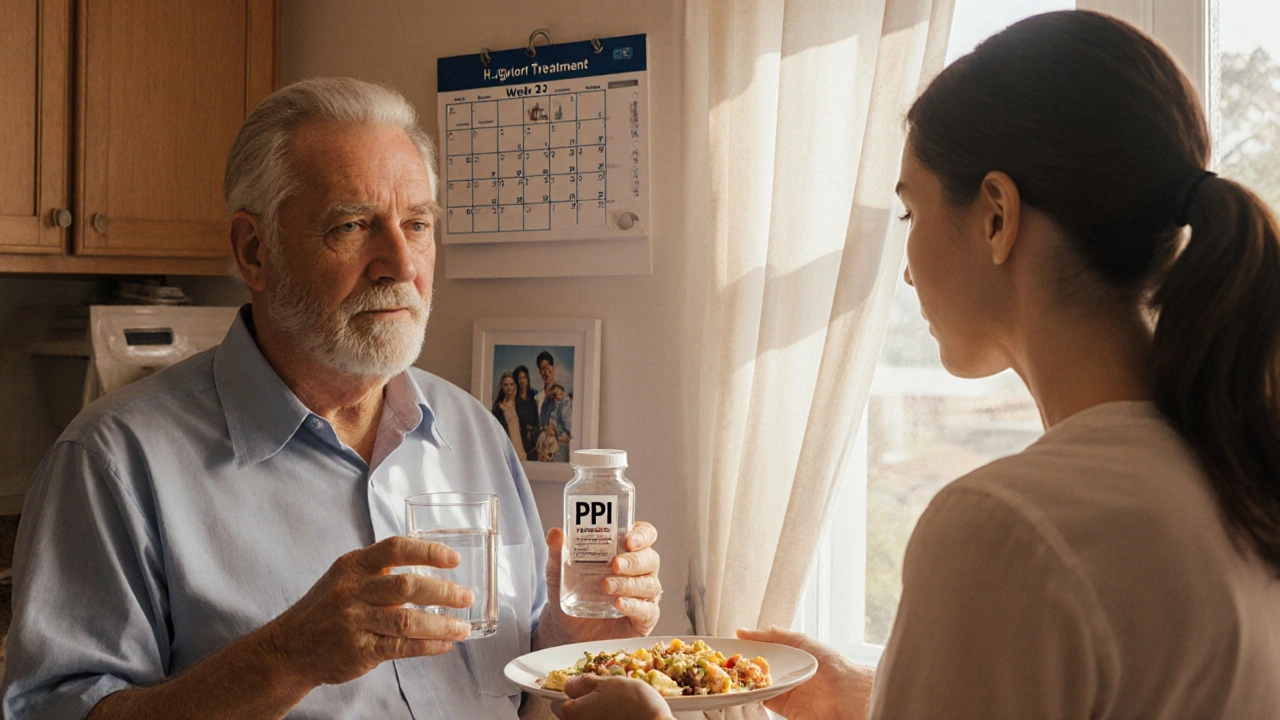
Peptic Ulcer Disease: What Causes It and How Antibiotics and Acid Reducers Fix It
Peptic ulcer disease is most often caused by H. pylori bacteria or NSAID use. Learn how antibiotics and acid-reducing medications like PPIs cure ulcers, prevent recurrence, and what lifestyle changes help healing.
view more
Diabetic Meal Planning: What to Eat and What to Avoid for Better Blood Sugar Control
Learn how to plan meals for diabetes using the simple plate method. Discover which foods lower blood sugar, which to avoid, and how portion control helps without counting carbs.
view more
When to Recommend Authorized Generics: Pharmacist's Guide to Safer, Cheaper Substitutions
Pharmacists should recommend authorized generics for patients with allergies, narrow therapeutic index drugs, or complex formulations. These are identical to brand-name meds but cost 20-80% less. Learn when and how to suggest them safely.
view more
SAMe and Antidepressants: What You Need to Know About Mood Effects and Interaction Risks
SAMe may help with depression, but combining it with antidepressants carries serious risks like serotonin syndrome. Learn the facts, risks, and safer alternatives before taking this supplement.
view more
How to Manage Pediatric Medication Side Effects at Home
Learn how to recognize and manage common pediatric medication side effects at home, from vomiting and rashes to dosing errors and storage safety. Know when to call the doctor-and when to act fast.
view more
Opioids and Antiemetics: Understanding Interaction Risks and Best Practices
Opioid-induced nausea affects up to one in three patients. Learn why it happens, which antiemetics work (and which don’t), and the best evidence-based strategies to manage it safely without adding unnecessary risks.
view more
Phenytoin and Warfarin: How They Interact and What You Need to Know
Phenytoin and warfarin interact in a dangerous two-phase way: first increasing bleeding risk, then reducing warfarin's effect. This requires intensive INR monitoring and expert management to avoid life-threatening complications.
view more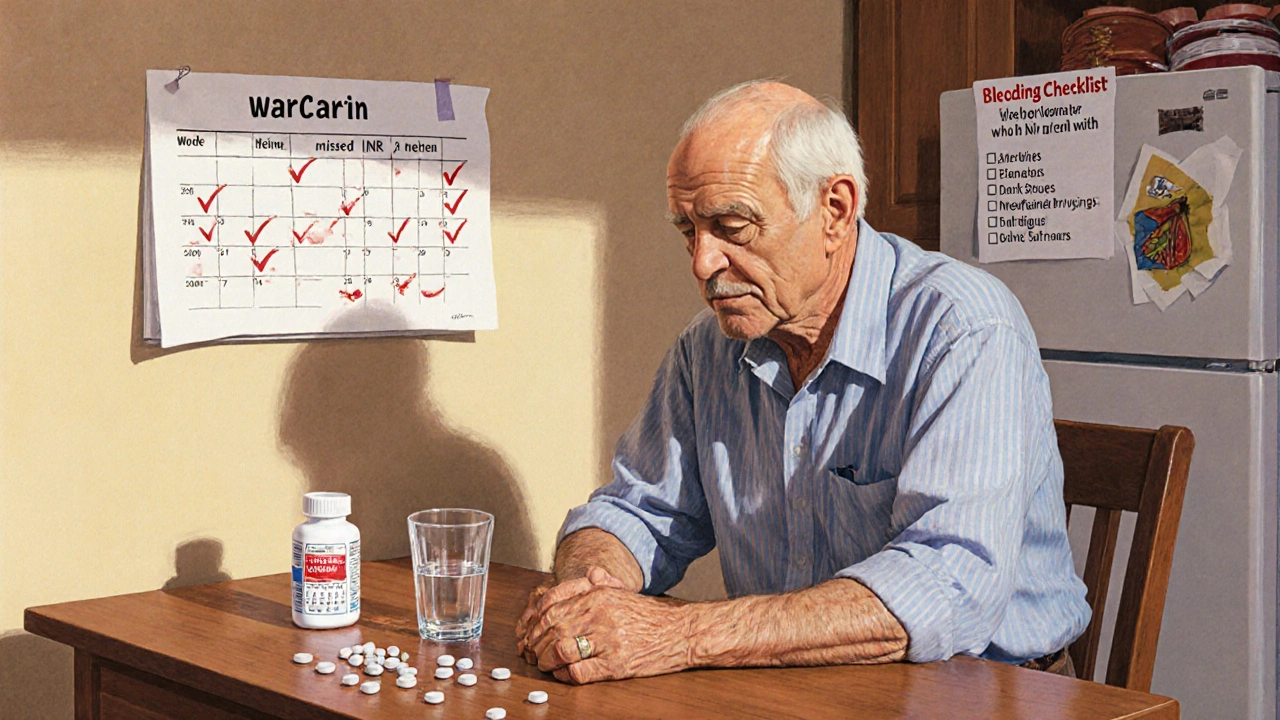
Blood Thinner Overdose and Internal Bleeding: What to Do Immediately
Blood thinner overdose can cause silent, life-threatening internal bleeding. Learn the warning signs, what to do immediately, how doctors treat it, and how to prevent it from happening.
view more
FDA Safety Communications Archive: How to Research Historical Drug and Device Warnings
Learn how to access and use the FDA Safety Communications Archive to research historical drug and medical device warnings. Find out what’s included, how to search it, and why it matters for patients and researchers.
view more
TNF Inhibitors: How Biologics Work for Autoimmune Conditions
TNF inhibitors are biologic drugs that block tumor necrosis factor alpha to reduce inflammation in autoimmune diseases like rheumatoid arthritis and Crohn’s. They offer major symptom relief but carry infection risks and aren’t effective for everyone.
view more