
When your body starts attacking itself, things get messy. For people with autoimmune diseases, this isn’t theoretical-it’s daily life. An autoimmune flare isn’t just feeling a bit worse than usual. It’s a full-blown immune system rebellion. Fatigue so deep you can’t get out of bed. Joints that feel like they’re on fire. Brain fog that makes simple decisions impossible. These aren’t bad days. They’re biological emergencies.
Over 90% of people with autoimmune conditions experience flares at some point. And while they’re unpredictable, they’re not random. There are patterns. Triggers. Warning signs. And most importantly-ways to stop them before they take over.
What Actually Happens During a Flare?
Your immune system is supposed to protect you from viruses, bacteria, and other invaders. In autoimmune diseases, it loses its way. Instead of targeting foreign threats, it turns on your own tissues-joints, skin, nerves, kidneys, gut. During a flare, this attack intensifies.
Lab tests show it clearly: C-reactive protein (CRP) spikes 30-50% above normal. Erythrocyte sedimentation rate (ESR) climbs to 30-50 mm/hr (normal is under 20). Autoantibodies-specialized proteins that mistakenly target your body-double or triple in number. But symptoms don’t always match the numbers. Some people have normal labs and still feel terrible. That’s why patient-reported symptoms matter just as much as blood tests.
Common signs across conditions include:
- Extreme fatigue (reported in 85% of flares)
- Joint pain and stiffness (78% in rheumatoid arthritis)
- Brain fog-trouble focusing, memory lapses, mental sluggishness (65% in lupus)
- New rashes, fever, or unexplained swelling
These aren’t side effects. They’re signals. Your body is screaming for help.
The 7 Biggest Flare Triggers (And What Science Says)
Flares don’t come out of nowhere. They’re often kicked off by specific, identifiable triggers. Here’s what actually causes them, backed by data from real patient studies.
1. Stress-The Silent Saboteur
Stress isn’t just "feeling overwhelmed." It’s a biological event. When you’re under pressure, your body releases cortisol. But chronic stress messes up cortisol rhythm. That disrupts immune balance. Studies show acute stress can raise flare risk by 40-60% within 72 hours. It doesn’t matter if it’s work pressure, family conflict, or sleep deprivation-your immune system doesn’t care why you’re stressed. It just reacts.
2. Infections-The Classic Spark
One in three flares starts with an infection. Viruses are especially tricky. Epstein-Barr (the virus behind mono) reactivates and triggers 22% of lupus flares. Even a common cold can be enough to ignite an immune cascade. That’s why getting sick isn’t just inconvenient-it’s dangerous for autoimmune patients.
3. Diet-What You Eat Can Fuel the Fire
Not all diets are created equal. For people with celiac disease, gluten isn’t just uncomfortable-it’s a direct flare trigger. Over 99% report symptoms worsening after exposure. For others, high sodium intake is a hidden problem. A 2022 JAMA Neurology study found people with multiple sclerosis had 30% higher relapse rates on high-salt diets. The Autoimmune Protocol (AIP) diet, which removes gluten, dairy, eggs, nightshades, and processed foods, cut flare frequency by 42% in rheumatoid arthritis patients over six months.
4. Sunlight-The Invisible Enemy
UV radiation is a major trigger for lupus. Up to 45% of skin flares are caused by sun exposure. It doesn’t take a beach day. Even a 20-minute walk on a cloudy day can be enough. That’s why daily SPF 50+ sunscreen, reapplied every two hours, reduced cutaneous lupus flares by 52% in a year-long study.
5. Hormonal Shifts-The Body’s Natural Rollercoaster
Pregnancy doesn’t always calm autoimmune disease. In fact, 40% of rheumatoid arthritis patients flare after giving birth. Estrogen and progesterone levels shift dramatically, and the immune system reacts. Menopause can do the same. Hormonal birth control and hormone replacement therapy also need careful monitoring.
6. Missing Medication-The Most Preventable Cause
One in four flares happens because someone skipped their meds. Not because they forgot. Because they felt fine and thought they didn’t need it. That’s a myth. Autoimmune drugs don’t cure-they control. Stopping them-even for a few days-can let inflammation roar back. Medication adherence programs with phone reminders boosted compliance by 65% and cut flares by 28%.
7. Gut Imbalance-The Hidden Connection
Your gut is home to trillions of bacteria. When that balance breaks down-called dysbiosis-it can trigger inflammation. In Crohn’s disease, 22% of flares are linked to gut microbiome changes. Probiotics aren’t a magic fix, but restoring gut health through diet and targeted supplements is now part of standard care for many patients.
How to Stop Flares Before They Start
Prevention isn’t about perfection. It’s about consistency. Small, daily habits add up to fewer flares and better quality of life.
- Protect your skin daily. Use SPF 50+ even on cloudy days. Wear wide-brimmed hats and UV-blocking sunglasses. This isn’t optional-it’s medical.
- Manage stress like medicine. Mindfulness meditation (MBSR) cut flare frequency by 35% in a 6-month trial. Yoga, deep breathing, or even 10 minutes of quiet time each day helps. Don’t wait until you’re overwhelmed.
- Track your diet. Keep a food journal for 3 months. Note what you eat and how you feel. Many people discover they react to dairy, eggs, or nightshades-even if they don’t have celiac.
- Keep vitamin D above 40 ng/mL. Low vitamin D is linked to worse outcomes in MS, lupus, and RA. Most people need 2,000-5,000 IU daily. Get your levels checked every 6 months.
- Never skip meds. Set phone alarms. Use pill organizers. Talk to your doctor if side effects are making you want to quit. There are often alternatives.
- Watch your sodium. Avoid processed foods, canned soups, and fast food. Read labels. Aim for under 2,300 mg per day.
One patient in Bristol started using a free app to log her sleep, food, stress, and symptoms. Within three months, she spotted a pattern: every time she ate pizza, she felt awful two days later. She cut it out. Her flares dropped by 60%.
Act Fast-Early Intervention Saves You
Waiting to treat a flare is like waiting to put out a house fire until the whole roof is gone. The sooner you act, the less damage you do.
Many patients notice a "pre-flare" phase-usually 2-3 days before full symptoms hit. Signs include:
- Mild fatigue that won’t go away
- Subtle joint stiffness in the morning
- Headaches or dizziness
- Slight skin changes-redness, itching, new spots
Patients who learn these early signals and act immediately reduce severe flares by 37%. That means less pain, fewer hospital visits, and faster recovery.
Here’s what works:
- Start low-dose steroids within 24 hours. A 2021 study found patients who began steroids within a day of flare onset had flares that lasted 6.2 days shorter than those who waited three days.
- Use your flare kit. Pre-pack a small bag with: your prescribed flare meds, electrolyte drinks, ice packs, a list of your meds and doctors, and a stress-relief item (like a fidget toy or calming playlist). Keep it by the door.
- Call your rheumatologist early. Don’t wait for an appointment. Many clinics have urgent flare lines. Telemedicine visits cut emergency room visits by 22%.
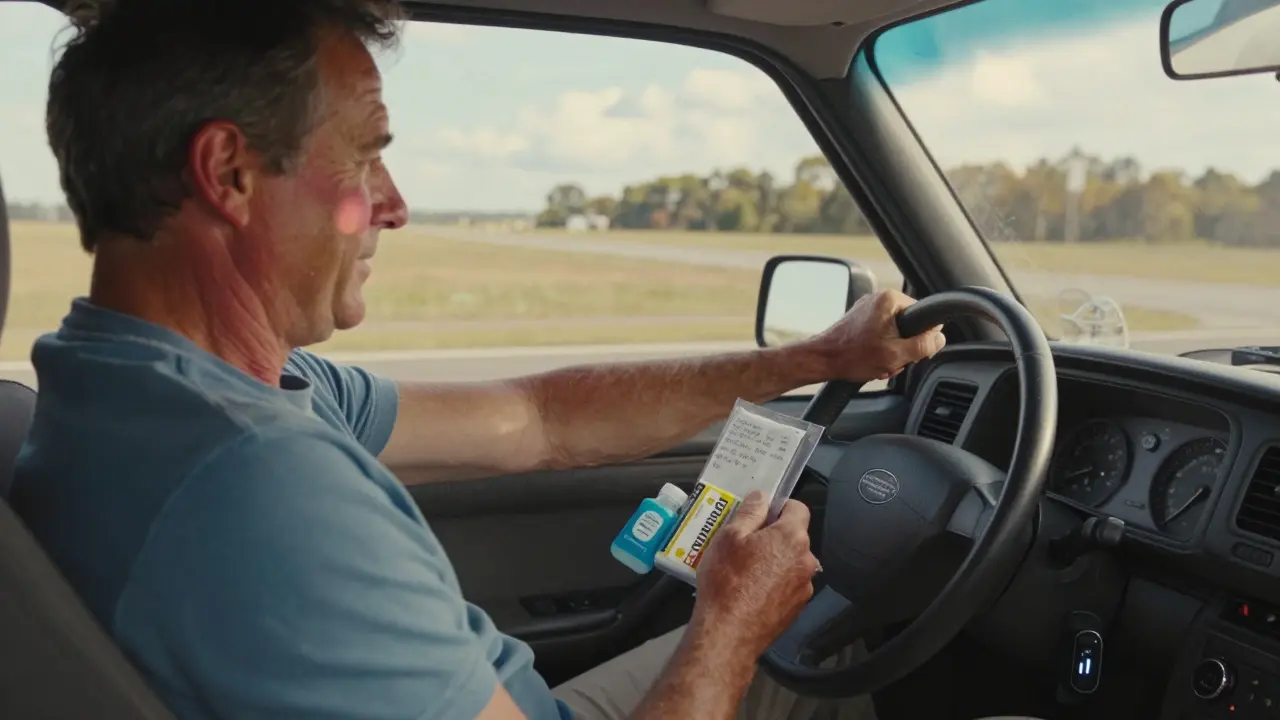
One man with lupus kept a flare kit in his car. When he felt the first signs of a flare on a road trip, he pulled over, took his prednisone, drank an electrolyte mix, and called his doctor. He avoided a hospital stay and was back to work in 4 days.
Disease-Specific Flare Patterns You Need to Know
Not all flares are the same. What works for one condition won’t always help another.
- Lupus (SLE): Average of 2.3 flares a year. Most involve joints (68%) and skin (35%). Kidney involvement (42%) is serious-watch for swelling, foamy urine, or high blood pressure.
- Rheumatoid Arthritis: Average 1.8 flares a year. Morning stiffness lasting over 45 minutes is the most reliable early sign (92% predictive).
- Multiple Sclerosis: Relapses happen about 0.6 times per year. Look for vision blurring, leg weakness, or numbness. These are not "just tiredness." They’re neurological.
- IBD (Crohn’s/Colitis): Crohn’s flares bring belly pain (87%) and diarrhea (79%). Ulcerative colitis? Bloody diarrhea (92%) and urgent bowel movements (85%) are the hallmarks.
Know your disease’s signature. That way, you don’t dismiss early signs as "just a bad day."

The Future Is Personalized
Science is moving fast. In 2023, the FDA approved the first AI tool-FlareGuard-that uses wearable data (heart rate, sleep, activity) to predict flares 72 hours in advance with 76% accuracy. Researchers are now testing blood tests that can spot flare signals weeks before symptoms appear.
But here’s the truth: even with all the tech, the most powerful tool is still you. Tracking your body. Listening to it. Acting before it screams.
Autoimmune flares aren’t a life sentence. They’re a signal. And you have more control than you think.
Can autoimmune flares be completely prevented?
No, not completely-but they can be dramatically reduced. Studies show that combining stress management, medication adherence, sun protection, and diet tracking can cut flare frequency by 40-60%. The goal isn’t zero flares. It’s fewer, milder, and shorter ones.
Is it safe to take steroids during a flare?
Short-term, low-dose steroids are safe and effective for flare control. The risk comes from frequent, long-term use. One study found 65% of patients who got repeated steroid bursts developed osteoporosis within five years. Always use steroids under medical supervision and combine them with calcium, vitamin D, and weight-bearing exercise to protect your bones.
Why do I feel fine one day and terrible the next?
Autoimmune diseases are unpredictable because your immune system doesn’t follow a schedule. It reacts to triggers you may not even notice-like a bad night’s sleep, a stressful email, or a hidden food sensitivity. That’s why tracking your daily habits is so important. You’re not imagining it. There’s a pattern, even if it’s not obvious yet.
Does exercise help or hurt during a flare?
It depends. During a full flare, intense exercise can make inflammation worse. But gentle movement-walking, stretching, yoga-helps reduce stiffness and fatigue. The key is listening to your body. If movement hurts, stop. If it feels relieving, keep going slowly. Many patients report that light activity helps them recover faster.
Should I get vaccinated if I have an autoimmune disease?
Yes-unless your doctor says otherwise. Infections are one of the top flare triggers. Vaccines for flu, pneumonia, and COVID-19 are strongly recommended. Most autoimmune medications don’t make vaccines unsafe. In fact, staying healthy reduces your risk of flares. Talk to your rheumatologist about timing-some meds may need to be paused around vaccination.
How do I explain flares to my employer or family?
Be clear, not apologetic. Say: "I have an invisible illness. Some days I’m fine. Other days, my body is in crisis. It’s not laziness. It’s biology." Many people don’t understand because they can’t see the pain. Share a simple one-page fact sheet from the Lupus Foundation or Arthritis Foundation. Most employers will accommodate you if you ask politely and provide documentation.
What to Do Next
Start small. Pick one trigger to track this week. Maybe it’s stress. Or gluten. Or lack of sleep. Use a free app or a notebook. Write down what you eat, how you sleep, how you feel. After three weeks, look back. What patterns emerge?
Then, build your flare kit. Put your meds, water, ice pack, and doctor’s number in one bag. Keep it where you’ll see it.
And if you feel a flare starting-don’t wait. Call your doctor. Take your meds. Rest. You’re not being dramatic. You’re being smart.
Autoimmune flares are hard. But you’re not alone. And with the right tools, you can take back control-one day at a time.

Lindsey Kidd
December 24, 2025 AT 20:31Rachel Cericola
December 26, 2025 AT 13:54CHETAN MANDLECHA
December 26, 2025 AT 23:36Ajay Sangani
December 28, 2025 AT 16:28Pankaj Chaudhary IPS
December 29, 2025 AT 23:07Payson Mattes
December 30, 2025 AT 14:40Steven Mayer
January 1, 2026 AT 07:06Diana Alime
January 2, 2026 AT 19:37Adarsh Dubey
January 3, 2026 AT 09:27Bartholomew Henry Allen
January 4, 2026 AT 13:58Jeffrey Frye
January 5, 2026 AT 22:51