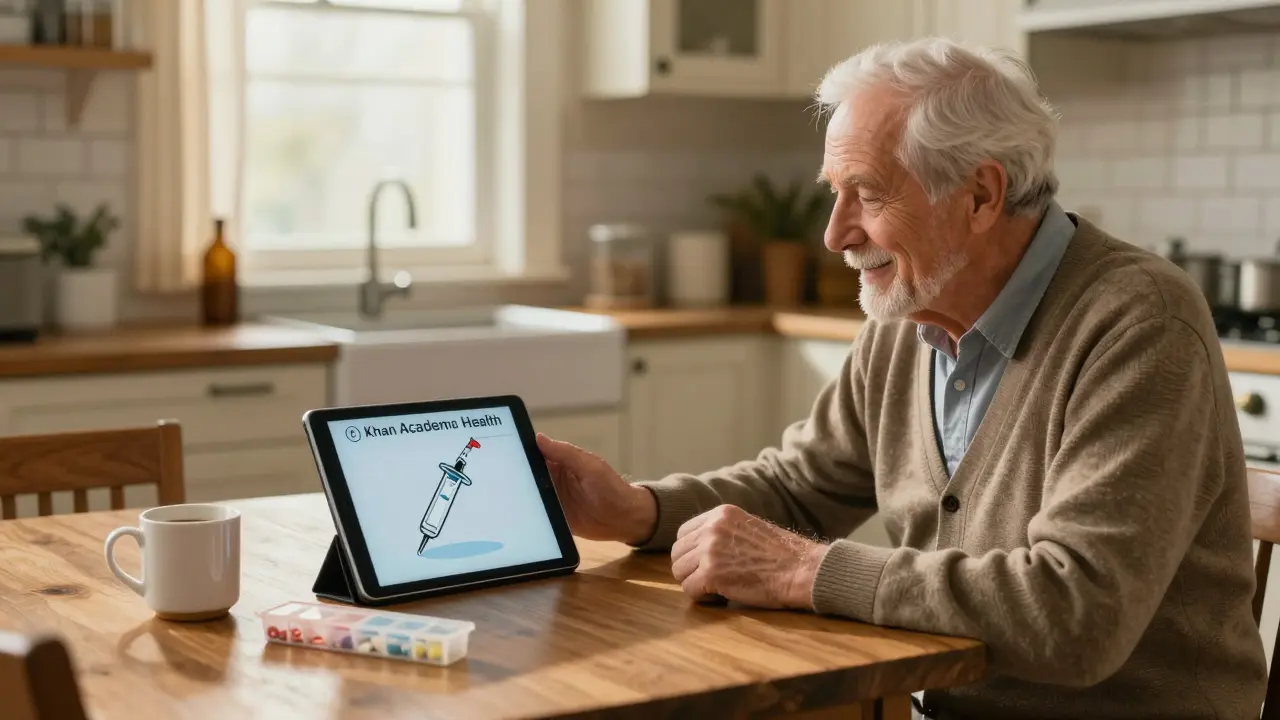
When someone is diagnosed with diabetes, heart disease, or even a chronic condition like asthma, the real work doesn’t start in the doctor’s office-it starts at home. Patients need to understand how to take their meds, recognize warning signs, adjust their diet, and track symptoms daily. But most people aren’t medical professionals. That’s where digital tools come in. In 2026, patient education isn’t just about handing out pamphlets anymore. It’s about apps that talk back, videos that explain in plain language, and platforms that adapt to how each person learns.
Why Digital Tools Matter for Patient Education
Let’s be honest: most patients forget half of what their doctor says in a 10-minute visit. A 2025 study from the Journal of Patient Experience found that 68% of patients couldn’t correctly describe their own treatment plan two days after a consultation. That’s not because they’re careless-it’s because medical jargon is confusing, stress clouds memory, and time is short.
Digital tools fix that. They give patients control. They let people revisit information on their own time, in their own language, at their own pace. Apps don’t get tired. They don’t rush. They can repeat, show animations, and even remind you to take your pill.
And it’s working. According to the 2025 Global Health Tech Report, patients who used structured digital education tools had 41% fewer emergency visits and 33% better medication adherence compared to those who didn’t. The biggest wins? For diabetes, chronic pain, and COPD-conditions that demand daily self-management.
Top Apps for Patient Education in 2026
Not all apps are created equal. Some are flashy but useless. Others are clunky but life-changing. Here are the ones that actually move the needle.
Khan Academy Health
Started as a math and science platform, Khan Academy expanded into health in 2023 with a free, no-ad, easy-to-follow library of videos. Think: “How insulin works,” “What happens during a heart attack,” or “How to use an inhaler correctly.” All videos are under 7 minutes, use simple animations, and come with quizzes. No sign-up needed. You can watch on your phone while waiting for the bus or on your tablet after dinner.
It’s not flashy, but it’s trusted. Over 12 million patients used Khan Academy Health in 2025, mostly for managing diabetes, high blood pressure, and mental health basics. The content is reviewed by board-certified physicians and updated quarterly.
MyTherapy
If you’ve ever forgotten to take your meds, MyTherapy feels like a personal assistant built just for you. It sends reminders, tracks symptoms, logs meals, and even lets you share reports with your doctor. The app adapts based on your condition-you can pick from over 150 chronic illnesses, from arthritis to epilepsy.
What makes it stand out? It doesn’t just remind you. It asks why you missed a dose. “Was it too expensive?” “Did you feel worse after taking it?” That feedback helps doctors adjust treatment faster. A 2025 trial in UK primary care clinics showed patients using MyTherapy improved adherence by 52% over six months.
Ada Health
Ada isn’t a replacement for your doctor-but it’s a smart first step. This AI-powered app asks you questions about your symptoms, like a nurse would. “When did the pain start?” “Does it get worse when you move?” Then it gives you a list of possible causes, backed by clinical guidelines from Johns Hopkins and the NHS.
It’s not for emergencies. But if you’re wondering whether that chest tightness is anxiety or something more, Ada helps you decide whether to wait, call your GP, or go to urgent care. A 2025 study in The Lancet Digital Health found Ada’s symptom assessments were 89% accurate compared to physician diagnoses for common conditions like UTIs, migraines, and allergies.
PatientsLikeMe
This one’s different. It’s not a tool for learning facts-it’s a tool for learning from others. Patients with rare diseases like ALS, MS, or lupus use PatientsLikeMe to track their symptoms, share experiences, and see how others are coping. You can read real stories: “How I learned to walk again after a stroke,” or “What my pain level was like on different meds.”
It’s powerful because it turns isolation into community. A 2026 survey found that 71% of users felt less alone after joining, and 63% said it helped them ask better questions during doctor visits.
Epocrates
Yes, this is an app doctors use-but patients can use it too. Epocrates gives you clear, plain-language drug info: what the pill is for, common side effects, what to avoid mixing it with, and even how much it costs at your local pharmacy. No more guessing what that tiny blue pill does.
It’s free, works offline, and has been updated with 2026 FDA alerts. For older adults on five or more meds, it’s a game-changer.
E-Learning Platforms That Actually Work
Apps are great for daily use. But if you need deeper understanding-say, you’ve just been diagnosed with cancer or are learning to manage kidney disease-structured e-learning platforms help.
Healthwise (by Mayo Clinic)
Healthwise is a library of interactive courses, built by Mayo Clinic experts. Each module takes 10-15 minutes. You learn about your condition, how treatments work, what to expect, and how to prepare for tests or surgeries. It includes videos, printable summaries, and quizzes you can retake until you get it right.
It’s used by over 1,200 U.S. hospitals and clinics. If your doctor gives you a link to Healthwise, don’t ignore it. Patients who complete the course have 47% fewer unnecessary ER visits.
MedlinePlus Learn
Run by the U.S. National Library of Medicine, MedlinePlus Learn is free, ad-free, and available in over 40 languages. It’s not fancy, but it’s reliable. You’ll find step-by-step guides on how to check your blood sugar, how to use a nebulizer, or how to read a nutrition label if you have high cholesterol.
It’s especially useful for non-native English speakers. The Spanish version has over 3 million monthly users.
TeachMeNow
This is a newer platform designed for patients who learn better by doing. It uses short video lessons paired with simple exercises. For example: “Watch how to do deep breathing for COPD, then record yourself doing it and get feedback.”
It uses AI to analyze your breathing pattern from your phone’s mic and gives you tips: “You’re breathing too fast,” or “Try holding your breath for 2 seconds longer.” It’s not perfect, but it’s the first tool that gives real-time feedback on physical actions-not just facts.
What to Avoid
Not every app labeled “health” is trustworthy. Here’s what to watch out for:
- Apps that promise cures-especially for cancer, diabetes, or Alzheimer’s. If it sounds too good to be true, it is.
- Apps that ask for your full medical records without explaining why. Legit tools only ask for what they need.
- Apps with no medical review board listed. Check the “About Us” page. If there’s no doctor or hospital name attached, be cautious.
- Apps that don’t say if they’re HIPAA-compliant. Your health data should be protected.
Stick to apps from hospitals, universities, or government health agencies. If you’re unsure, ask your doctor or nurse. They often have a shortlist they trust.
How to Get Started
Don’t try to use ten apps at once. Start small.
- Pick one condition you need to manage better.
- Ask your care team which app they recommend. Most now have a go-to list.
- Try one app for two weeks. Use it every day, even for 5 minutes.
- Track how it helps. Did you remember your meds? Did you understand your test results better?
- Adjust or switch. If it doesn’t fit your life, try another.
The goal isn’t to become a tech expert. It’s to feel more in control. The right tool makes health feel less scary and more manageable.
What’s Next for Patient Education Tech
In 2026, we’re seeing real progress:
- AI voice assistants that explain meds in your native language, even if you’re not tech-savvy.
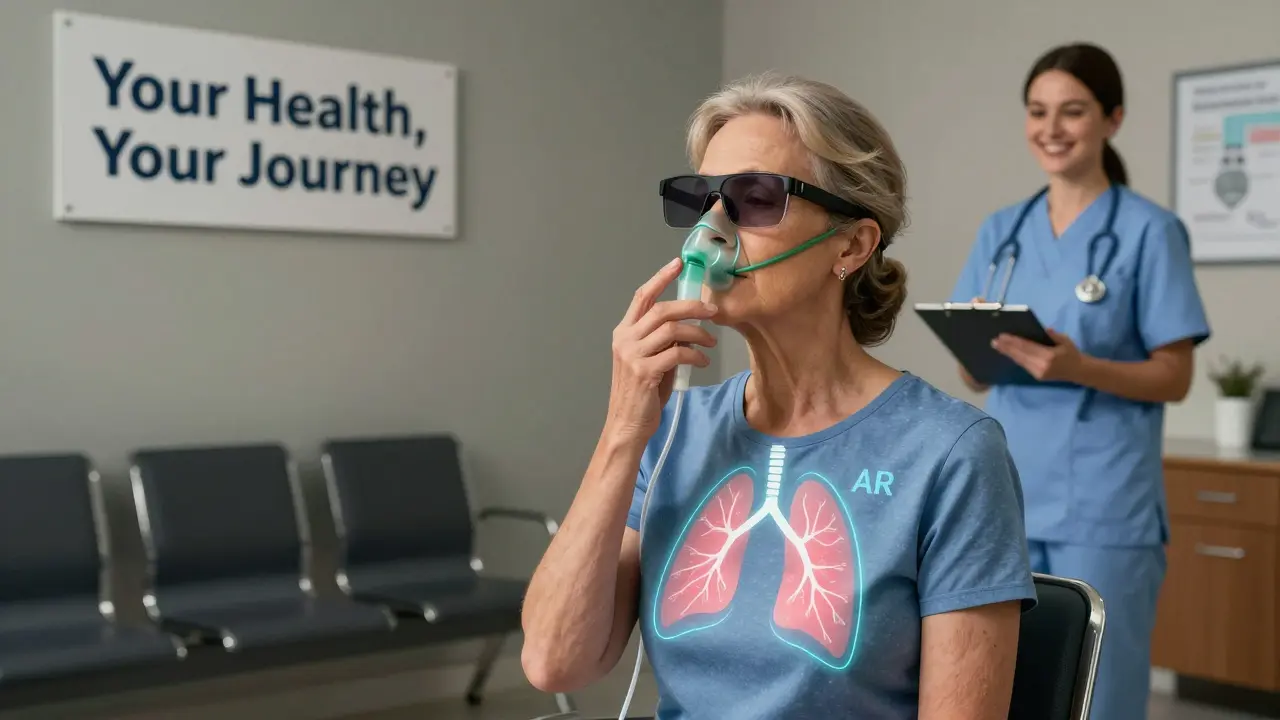
- AR glasses that show you how to inject insulin by overlaying instructions on your skin.
- Smart pill bottles that text your family if you miss a dose.
But the biggest change isn’t the tech-it’s the mindset. Health systems are finally realizing: education isn’t a one-time lecture. It’s an ongoing conversation. And digital tools are making that conversation possible-every day, in every home.
Are patient education apps safe for my data?
Yes, if they’re from trusted sources like hospitals, universities, or government health agencies. Look for apps that say they’re HIPAA-compliant (in the U.S.) or follow GDPR (in Europe). Avoid apps that ask for your full medical history unless they explain why they need it. If you’re unsure, ask your doctor or check the app’s privacy policy. Legit apps never sell your data.
Can I use these apps if I’m not good with technology?
Absolutely. Apps like Khan Academy Health, MyTherapy, and MedlinePlus Learn are designed for people who aren’t tech-savvy. They use big buttons, clear icons, voice narration, and simple language. Many have tutorials built in. If you need help, ask a family member, friend, or even your pharmacist-they’re used to guiding people through these tools.
Do I still need to see my doctor if I use these apps?
Yes. These apps are helpers, not replacements. They help you understand your condition, remember your meds, and notice changes early. But only your doctor can diagnose, adjust prescriptions, or order tests. Use the apps to make your visits more productive-come with questions, not confusion.
Are these apps free?
Many top apps are completely free: Khan Academy Health, MedlinePlus Learn, MyTherapy, and Epocrates. Some, like Healthwise, are free through your hospital or insurer. Paid apps usually offer more features, like personalized coaching or advanced tracking. But you don’t need to pay to get real value. Start with free options before spending money.
Which app is best for older adults?
MyTherapy and Khan Academy Health are the top choices for older adults. MyTherapy has large text, voice reminders, and simple navigation. Khan Academy Health uses clear visuals and short videos with no ads. Both work on basic smartphones and don’t require constant updates. Avoid apps with complex menus or small buttons.
Can these apps help with mental health education?
Yes. Khan Academy Health has modules on anxiety, depression, and coping strategies. MyTherapy lets you log mood and sleep patterns. PatientsLikeMe connects you with others who’ve been through similar struggles. But if you’re in crisis, these apps aren’t enough. Always reach out to a mental health professional or call a crisis line.
Next Steps
If you’re managing a long-term health condition, pick one app this week. Not ten. One. Try it for 10 minutes a day. See if it makes your life easier. If it does, keep using it. If not, try another. The goal isn’t to use every tool-it’s to find the one that helps you feel more confident, less overwhelmed, and more in charge of your own health.
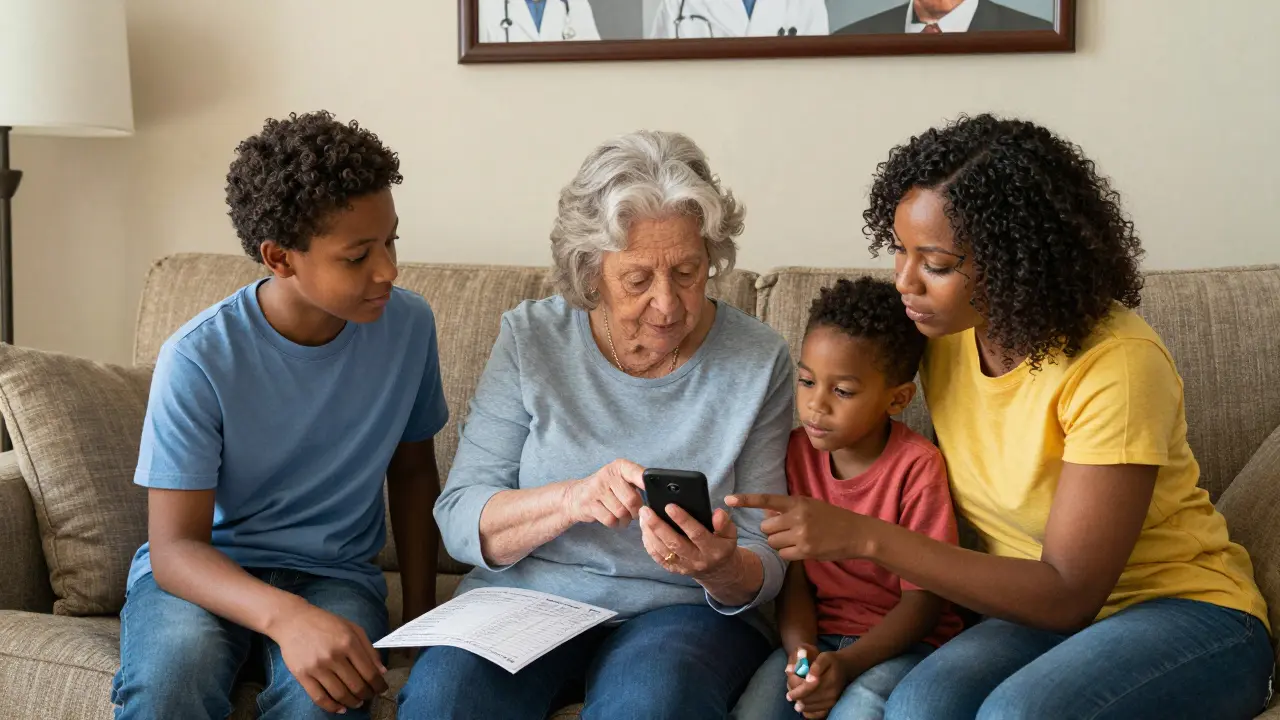
And if you’re a caregiver, don’t wait for your loved one to figure it out alone. Help them download the app. Sit with them while they watch the first video. Ask them what they learned. That simple act can make all the difference.

Luke Davidson
January 24, 2026 AT 18:56Khan Academy Health is a game changer honestly I’ve been showing it to my dad who’s got diabetes and he actually watches the videos now instead of zoning out during doctor visits
No ads no sign up just pure clarity
Why can’t more health apps be like this?
Josh McEvoy
January 26, 2026 AT 11:36MyTherapy literally saved my life 🥲
I forgot meds for 3 months straight then this app started nagging me like my grandma
Now I take my pills like a robot with a conscience
Also it asked me why I missed and I cried and told it I couldn’t afford them and my dr lowered the cost 😭
Heather McCubbin
January 28, 2026 AT 06:11Everyone’s acting like these apps are magic but let’s be real
They’re just glorified reminders with a side of corporate data harvesting
Who’s really vetting these AI symptom checkers
What if Ada tells you it’s anxiety when it’s actually a tumor
And then you die because you trusted an algorithm over your gut
Trust me I’ve seen it
Shanta Blank
January 28, 2026 AT 13:02Ada Health is the most dangerous thing they’ve ever released under the guise of "help"
It’s not an assistant it’s a diagnostic trap
People think they’re being empowered but they’re just being funneled into unnecessary panic or false reassurance
And don’t get me started on the data mining
Your pulse rate your sleep patterns your mood logs
They’re selling this to insurers before you even know what you’re giving up
Wake up people
Tiffany Wagner
January 30, 2026 AT 05:52I used MedlinePlus Learn to figure out how to use my inhaler after my asthma diagnosis
It was so simple I didn’t even need my daughter to help me
Just clear steps and pictures
And it’s in Spanish too so my mom could learn with me
Small thing but it meant everything
Chloe Hadland
January 31, 2026 AT 15:29PatientsLikeMe is the only place I didn’t feel like a burden
I have MS and most people act like I’m already half-dead
But on there I read someone else’s post about dancing in the kitchen with their grandkids even on bad days
That made me cry but in a good way
Turns out I’m not alone in wanting to live even when my body says no
Amelia Williams
February 2, 2026 AT 01:44TeachMeNow is the future and I’m not even being dramatic
I have COPD and I was struggling with breathing exercises until I tried recording myself
The AI told me I was holding my breath too short
So I practiced for 5 minutes a day
Now I can walk to the mailbox without gasping
It’s not perfect but it’s the first tool that actually taught me how to do something not just tell me what to do
And yes I’m still skeptical about tech but this one… this one actually listens
Viola Li
February 2, 2026 AT 11:23Stop glorifying these apps
They’re not solving anything
They’re just making healthcare more corporate and less human
What happened to doctors actually talking to patients
Instead of handing them a phone and saying "go watch a video"
And who’s paying for all this tech
Not the patients
It’s the insurance companies trying to cut costs
Don’t be fooled by the shiny interface
Luke Davidson
February 3, 2026 AT 09:42Viola you’re missing the point
It’s not about replacing doctors it’s about giving people a fighting chance between visits
My dad didn’t have a choice before
He either forgot everything or paid for a 3-hour specialist consult just to understand his own meds
Now he watches a 6-minute video while eating breakfast and comes to his appointment with questions
That’s not corporate greed
That’s dignity
And yeah maybe some apps are sketchy
But the ones you listed are from Mayo Clinic the NIH Khan Academy
They’re not selling your data they’re trying to save lives
Don’t let the fear of bad tech blind you to the good