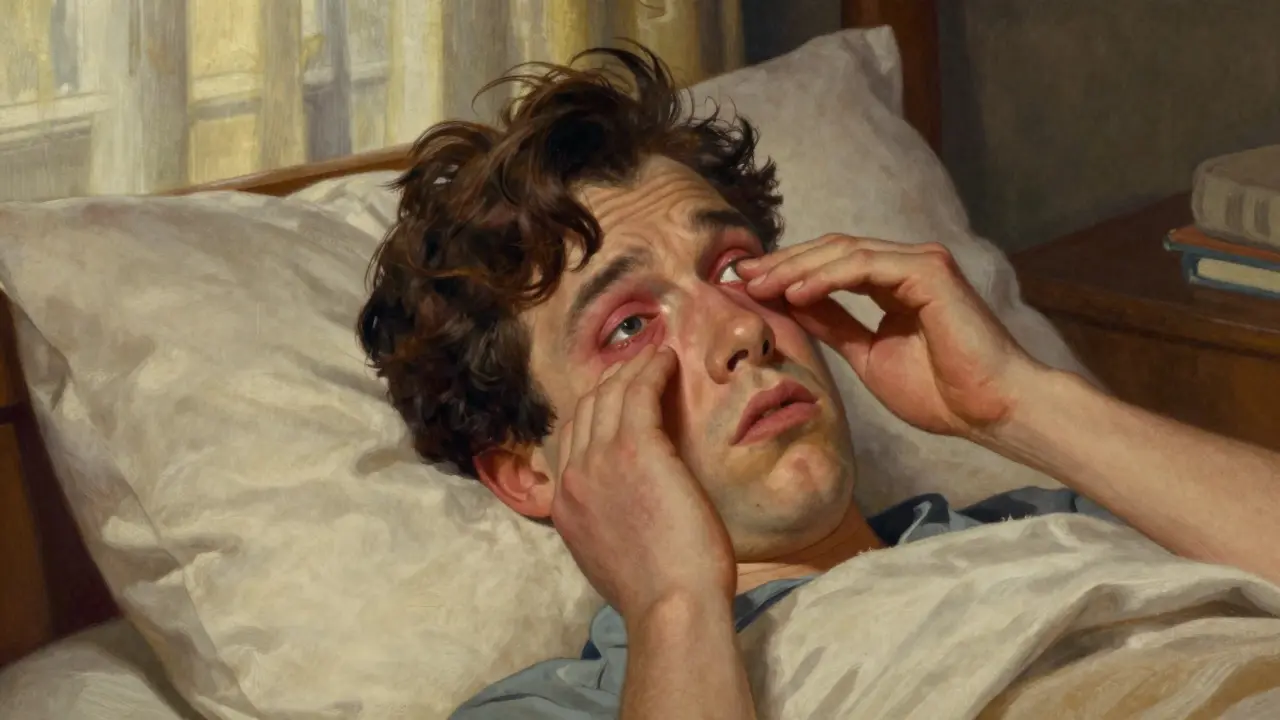
Waking up with your eyelids glued shut is not a good start to the day. If you feel like there is sand in your eyes or notice red, swollen lids that refuse to calm down, you are likely dealing with blepharitis, which is chronic inflammation of the eyelid margins affecting nearly half of all eye care patients. It is frustrating, it is persistent, and for many, it feels impossible to cure. But here is the truth: while blepharitis is often a lifelong condition, it is highly manageable. The secret weapon isn’t expensive medication-it is heat.
You do not need a prescription to start feeling better. You just need to understand how your eyelids work and apply the right amount of warmth at the right time. This guide breaks down exactly how to use warm compresses effectively, why most people get it wrong, and what steps to take if the standard advice isn't cutting it.
Understanding Blepharitis: Why Your Eyelids Are Angry
To fix the problem, you first have to know what is happening under the surface. Blepharitis is not an infection in the traditional sense; it is inflammation. Think of it as a traffic jam on your eyelid margin. Your eyelids contain tiny oil glands called meibomian glands, which are sebaceous glands located along the inner edge of the eyelids that secrete oil to prevent tear evaporation. These oils keep your tears from evaporating too quickly. When these glands get clogged with thickened oil or debris, they become inflamed.
There are two main types of this condition:
- Anterior Blepharitis: This affects the outer front edge of the eyelid where the eyelashes attach. It is often caused by bacterial overgrowth or skin conditions like dandruff (seborrheic dermatitis). You might see crusty flakes around your lashes.
- Posterior Blepharitis: Also known as Meibomian Gland Dysfunction (MGD), this is a chronic condition affecting the meibomian glands causing poor quality tear film and dry eye symptoms. This involves the inner eyelid edge. The oil becomes too thick, like cold butter, and cannot flow out properly. This type accounts for about 63% of cases.
The result? Redness, swelling, burning, and that gritty sensation. According to data from the National Eye Institute, this affects roughly 47% of people visiting eye doctors. It is incredibly common, yet rarely talked about until it becomes unbearable.
The Science Behind Warm Compress Therapy
Why does heat help? It is simple physics. The oil inside your meibomian glands solidifies when it cools down. To clear the blockage, you need to melt that oil so it can flow again. This is where warm compress therapy comes in as the the primary non-pharmaceutical treatment for blepharitis involving application of controlled heat to liquefy meibomian gland secretions.
However, "warm" is a tricky word. Most people underestimate how hot their compress needs to be. Research from UVA Health shows that affected eyelid margins run hotter than normal tissue due to inflammation, but to actually penetrate the lid and melt the hardened oil, the surface temperature needs to reach between 40°C and 45°C (104°F - 113°F). Anything below 38°C has minimal effect. Anything above 48°C risks burning your delicate eyelid skin.
A study from the Cleveland Clinic found that consistent warm compress application for 21 days improved gland secretion quality by 68%. But here is the catch: the heat must last. A regular wet washcloth loses its heat in about 8 minutes. That is not enough time to reach the deep glands. You need sustained heat for at least 10 to 15 minutes.
How to Apply Warm Compresses Correctly
Most people fail because they rush the process. They put a warm cloth on their eyes for two minutes while checking their phone, then move on. Here is the correct protocol, backed by the American Academy of Ophthalmology:
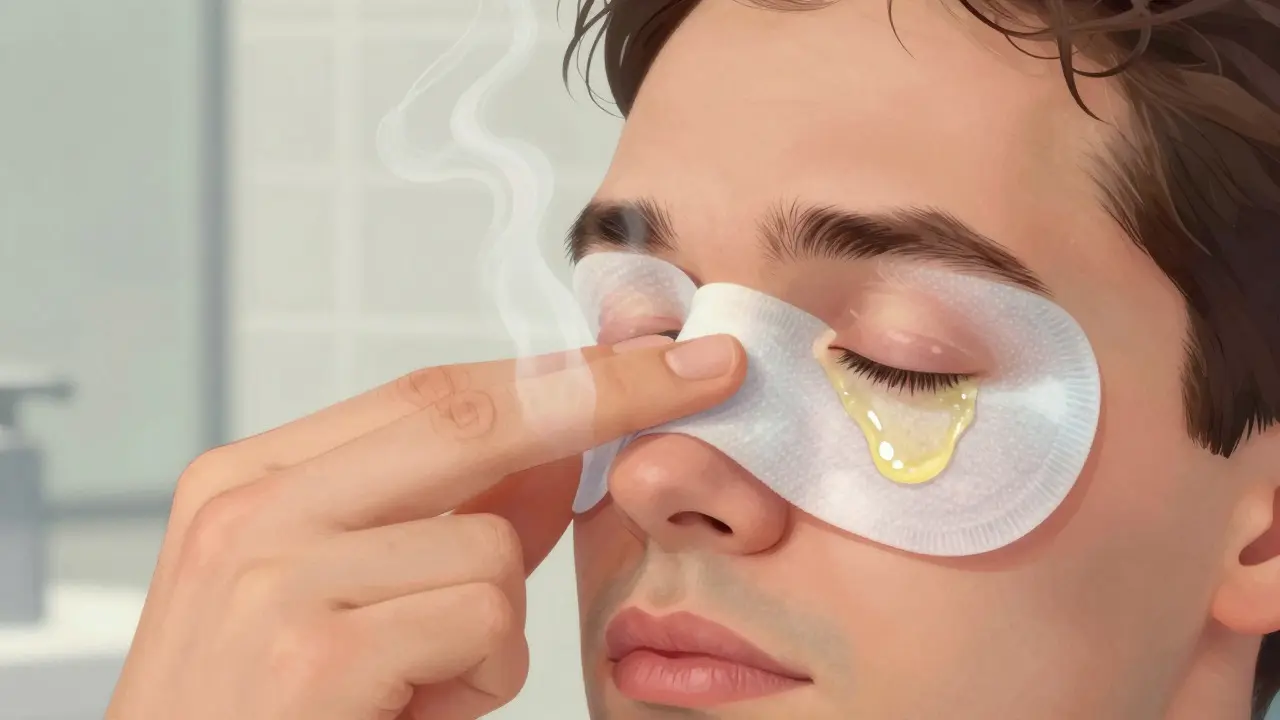
- Choose the Right Tool: While a clean washcloth soaked in hot water works in a pinch, microwavable gel packs or electric warming masks are superior. They maintain therapeutic temperatures longer. Look for devices that hold heat for at least 12 minutes.
- Heat Application: Close your eyes gently. Place the compress over them. Set a timer for 10 minutes. Do not peek. If using a washcloth, reheat it every 3-4 minutes to maintain temperature. If using a gel pack, ensure it is comfortable-not scalding-before placing it on your face.
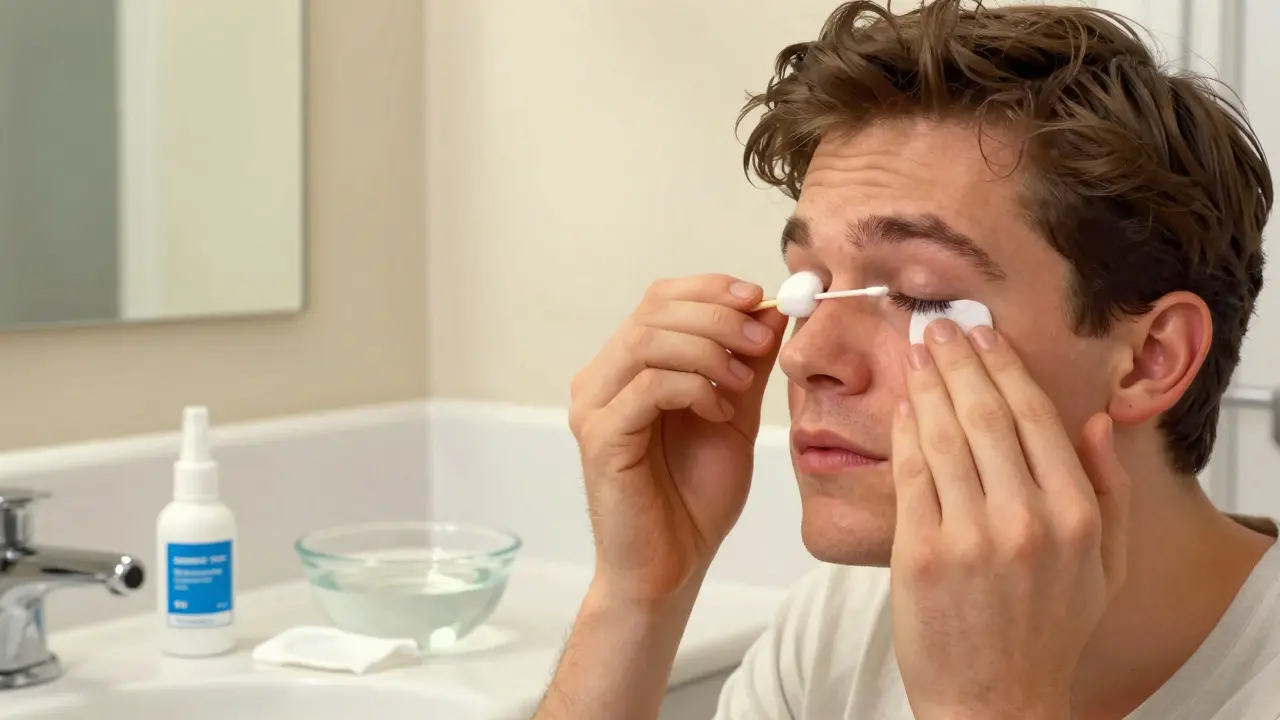
- Lid Massage: Immediately after removing the heat, massage your eyelids. Use a clean finger or a cotton swab. For the upper lid, press gently and sweep downward toward the lash line. For the lower lid, sweep upward. Imagine you are wiping windshield wipers. This physical pressure helps express the now-liquefied oil from the glands.
- Cleanse: After massaging, clean the eyelid margin. Use a preservative-free lid scrub solution or diluted baby shampoo (if recommended by your doctor) to remove the debris and bacteria you just loosened. Rinse thoroughly.
- Lubricate: Finish with artificial tears if your eyes feel dry. This replaces the natural tear film that may have been disrupted.
Do this twice daily. Morning and night. Consistency is the only thing that beats this condition. Patients who stick to this routine for 30 days see a 67% improvement in symptoms, compared to just 22% for those who skip days.
| Method | Average Heat Retention | Temperature Control | User Adherence Rate |
|---|---|---|---|
| Traditional Washcloth | 8.7 minutes | Poor (cools rapidly) | 46% |
| Microwavable Gel Pack | 12.3 minutes | Moderate (depends on microwave) | 62% |
| Electric Warming Mask | 15+ minutes | High (regulated temp) | 73% |
Troubleshooting: When Heat Isn't Enough
If you have been doing warm compresses correctly for three weeks and still feel no relief, something else might be going on. Blepharitis is stubborn, but it is not invincible. Consider these additional factors:
- Demodex Mites: Tiny microscopic mites called Demodex live in our hair follicles, including eyelashes. In some cases, they overpopulate and cause severe blepharitis. Standard warm compresses won't kill them. You may need specific tea tree oil-based treatments prescribed by an ophthalmologist.
- Dietary Changes: Emerging research suggests that omega-3 fatty acids can improve the quality of meibomian gland oil. Studies show that combining warm compresses with 2,000 mg of EPA/DHA daily increased treatment efficacy by 34%. Try adding fish oil supplements or eating more fatty fish like salmon.
- Environmental Triggers: Dry air, wind, and screen time worsen symptoms. Use a humidifier in your bedroom and follow the 20-20-20 rule when looking at screens (every 20 minutes, look at something 20 feet away for 20 seconds).
- Professional Treatments: If home care fails, ask your eye doctor about procedures like the TearCare System or LipiFlow. These are FDA-approved devices that deliver precise heat and massage to the glands in-office. They are more expensive but offer immediate results for resistant cases.
Preventing Flare-Ups: Long-Term Maintenance
Blepharitis is chronic, meaning it tends to come back. Once you get your symptoms under control, don't stop cold turkey. Switch to a maintenance mode. Reduce warm compresses to once a day or every other day. Continue gentle lid hygiene regularly. Keep your pillowcases clean, replace makeup every three months, and avoid rubbing your eyes.
Remember, this is a marathon, not a sprint. The goal is not to "cure" blepharitis overnight but to manage it so it doesn't manage you. With the right technique and patience, you can reclaim clear, comfortable vision.
How long should I leave a warm compress on my eyes?
You should leave a warm compress on your eyes for 10 to 15 minutes. Shorter durations often fail to penetrate the eyelid deeply enough to melt the hardened oils in the meibomian glands. If using a washcloth, you may need to reheat it several times during this period to maintain the necessary temperature of 40-45°C.
Can blepharitis go away permanently?
Blepharitis is generally considered a chronic condition, meaning it requires ongoing management rather than a one-time cure. However, with consistent eyelid hygiene and proper warm compress therapy, symptoms can be significantly reduced or eliminated for long periods. Many patients achieve remission with daily maintenance routines.
Is it safe to use essential oils for blepharitis?
Tea tree oil is sometimes used to treat blepharitis caused by Demodex mites, but it must be used with caution. Pure essential oils can irritate the eyes and skin. Always consult an eye doctor before using tea tree oil products, and prefer commercially formulated lid scrubs containing hypochlorous acid or diluted tea tree oil specifically designed for ocular use.
What is the difference between anterior and posterior blepharitis?
Anterior blepharitis affects the outer edge of the eyelid where the eyelashes grow, often caused by bacteria or skin conditions like dandruff. Posterior blepharitis affects the inner eyelid edge and involves the meibomian glands, leading to poor oil production and dry eye symptoms. Posterior blepharitis is more common and directly related to Meibomian Gland Dysfunction.
Should I massage my eyelids before or after applying heat?
You should always massage your eyelids immediately AFTER applying heat. The heat liquefies the thickened oils in the glands, making them easier to express. Massaging without prior heat can be ineffective or even painful, as you are trying to push out solidified material.
