Combination Therapy Side Effect Calculator
Estimate Your Side Effect Reduction
Select a condition and enter your current therapy details to see your estimated side effect reduction.
Most people think taking more of a medicine means it works better. But what if taking less - of several different medicines - actually works better and causes fewer side effects? That’s the real-world truth behind combination therapy: using lower doses of two or more drugs together to get stronger results with less harm.
Why Less Can Be More
It sounds backwards, right? Take half the dose of two pills instead of one full dose? But this isn’t guesswork. It’s science backed by over 200 clinical trials. In hypertension, for example, combining half-doses of an ACE inhibitor and a calcium channel blocker drops systolic blood pressure by nearly 9 mmHg more than the highest single-dose version - while cutting swelling in the ankles from 14% down to just 4%. Cough, a common side effect of ACE inhibitors, drops from 10% to 2%. The reason? Different drugs hit the body in different ways. One might relax blood vessels. Another might help the kidneys flush out salt. Together, they do more with less. And because each drug is at a lower dose, the body doesn’t get overwhelmed. That’s the sweet spot: combination therapy maximizes benefit while minimizing harm.It’s Not Just for Blood Pressure
You might think this only applies to high blood pressure. It doesn’t. This approach is now standard across multiple chronic conditions. In type 2 diabetes, combining metformin at 1,000 mg/day with an SGLT2 inhibitor at 10 mg/day gives the same blood sugar control as doubling metformin to 2,000 mg - but cuts stomach upset from 26% to under 12%. The risk of a rare but dangerous side effect called lactic acidosis drops by two-thirds. In cancer, combining lower doses of anthracycline and cyclophosphamide achieves the same tumor shrinkage as a high-dose single drug - but cuts severe drops in white blood cells from 39% to 19%. Heart damage risk falls from 7% to just 2% over five years. Even in heart disease prevention, a single pill containing low-dose aspirin, statin, blood pressure, and heart rate meds - called a polypill - reduced heart attacks by over half in a major 12,000-person trial. That’s not theory. That’s real people living longer with fewer hospital visits.The Adherence Advantage
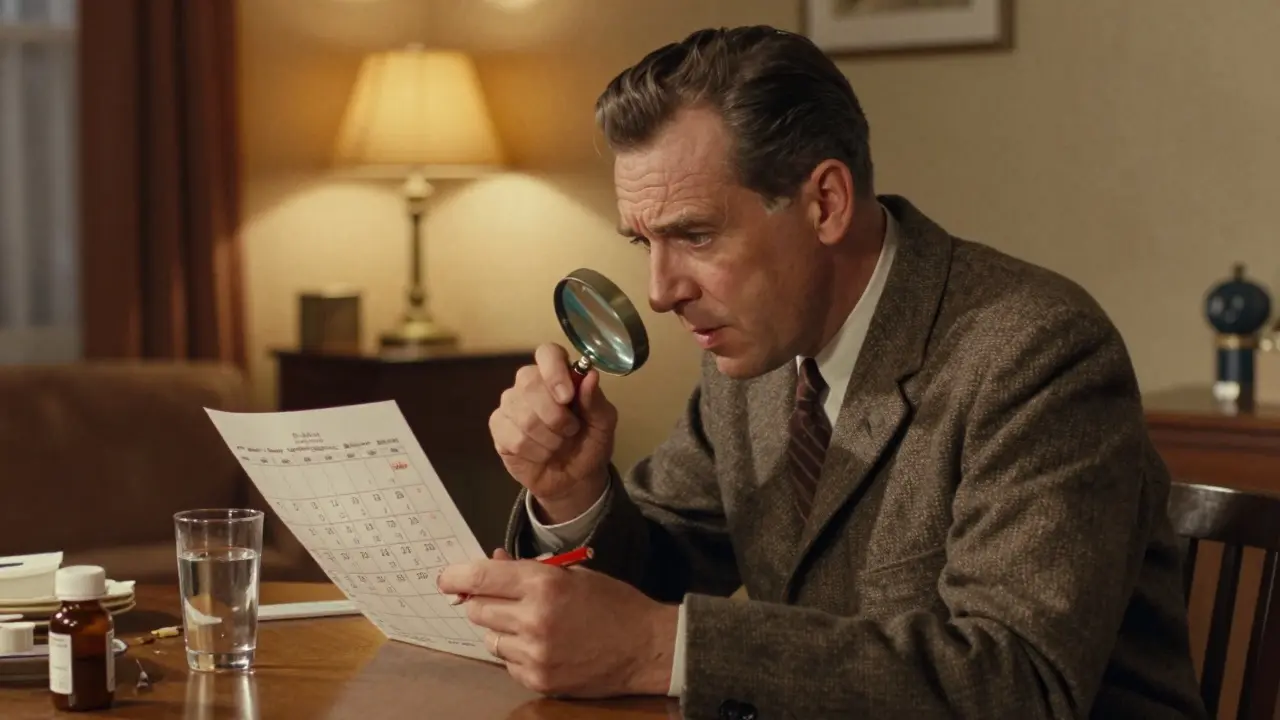
One of the biggest reasons combination therapy works so well isn’t just medical - it’s human. Taking five different pills at different times of day? Easy to forget. One pill that does the job of three? Much easier to stick with. Studies show that when medications are combined into a single pill, adherence jumps from 52% to 68%. Patients report it’s simply easier to remember. In one case, a 68-year-old man who’d tried three separate blood pressure pills with no success started a low-dose combination pill. Within four weeks, his dizziness and swollen ankles vanished. He said, “For the first time in 10 years, I actually feel normal.” But it’s not perfect. Some patients still quit. A survey of over 12,000 people with diabetes found that 31% stopped their combination regimen within a year - not because it didn’t work, but because they felt overwhelmed by “too many medications.” Even if it’s one pill, if it contains three drugs, some people still feel like they’re on a drug cocktail.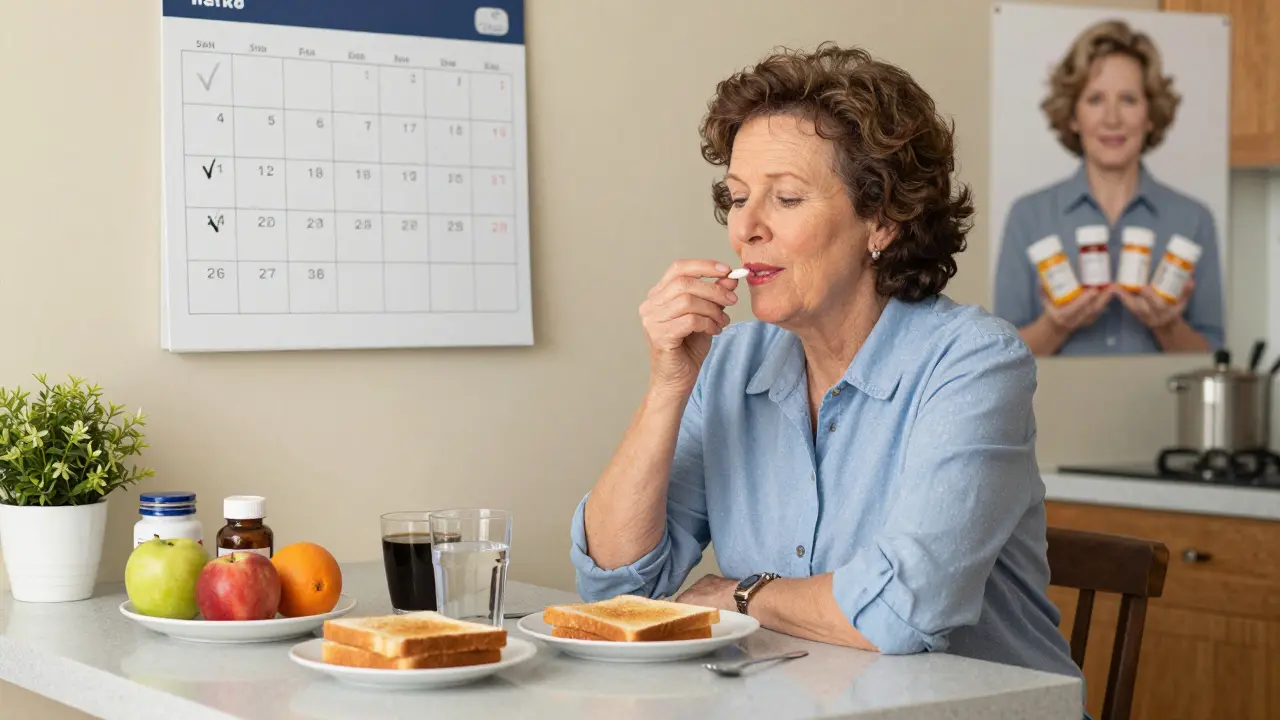
When It Doesn’t Work - or Could Hurt
Combination therapy isn’t magic. It doesn’t work for everyone. Older adults with kidney problems are at higher risk. A 2022 study found that triple-combination therapy in people over 75 with low kidney function raised the risk of acute kidney injury by 80%. In cancer, nearly 4 out of 10 FDA-approved drug combos show no real synergy - meaning patients get the side effects of two drugs without the added benefit. Drug interactions are another hidden danger. A 2024 study found that 12.7% of patients on multiple medications experience harmful interactions. These are especially common in older adults managing five or more drugs. The FDA recorded over 2,300 serious side effects linked to combination therapy in 2023 - nearly half involved seniors with complex medication regimens. Cost is another barrier. A combination therapy averages $4,200 a year versus $2,800 for a single drug. But here’s the catch: those extra costs are often offset by $7,800 less spent on hospital visits, emergency care, and complications. Still, 37% of uninsured patients walk away from the pharmacy because they can’t afford it.How It’s Done Right
Doctors don’t just slap two drugs together. There’s a method. For high blood pressure, guidelines now recommend starting with two low-dose drugs from the start - not waiting until the first one fails. The goal is to reach target blood pressure in under two months, not six. Monitoring happens every two weeks at first. In diabetes, doctors look at HbA1c levels. If it’s above 7.5% after three months on metformin alone, they add a second drug - not wait another year. In oncology, it’s even more precise. Doctors now use genetic tests to pick which combinations will actually help - avoiding ones that won’t. This isn’t trial and error anymore. It’s targeted. The key is starting low, going slow, and watching closely. A single-pill combination (FDC) is preferred when available - it simplifies everything. Pharmacist-led medication reviews have been shown to cut side effects by 28% by catching interactions before they happen.
What’s Next
The future of combination therapy is getting even smarter. Researchers are testing five-drug combos at ultra-low doses - each at just 20-30% of the normal amount. Early data suggests this could cut heart disease risk by 70% with almost no side effects. Another idea? “Response-adaptive sequencing.” Instead of giving all drugs at once, start with one, see how the body responds, then add the next only if needed. This could reduce unnecessary drug exposure by 40% while keeping results strong. By 2030, 60% of new drug approvals are expected to be combination therapies. The market is growing fast - from $185 billion in 2023 to nearly $300 billion by 2028. More than two-thirds of new hypertension patients now start on combination therapy. The shift is real.What This Means for You
If you’re on multiple medications, ask: “Could I be on a lower-dose combination instead?” Don’t assume your current regimen is the only option. Talk to your doctor or pharmacist. Ask:- Are there fixed-dose combinations available for my meds?
- Am I on the lowest effective dose of each drug?
- Could combining two drugs reduce my side effects?
- Is there a chance I’m taking a drug that’s no longer needed?
Combination therapy isn’t a shortcut. It’s a smarter way to treat chronic illness - with less burden, fewer side effects, and better results. The data is clear. The tools are here. The question is: are you asking for it?
Is combination therapy safe for older adults?
It can be - but only with careful monitoring. Older adults, especially those over 75 with kidney issues, are at higher risk for side effects like acute kidney injury with triple combinations. Doctors should start with dual therapy at low doses and check kidney function and electrolytes every 2-4 weeks. Single-pill combinations are preferred to reduce dosing errors.
Do combination pills cost more than taking separate drugs?
Yes, the upfront cost is often higher - around $4,200 a year versus $2,800 for a single drug. But over time, they save money. Fewer hospital visits, less emergency care, and fewer complications mean patients on combination therapy save an average of $7,800 per year in healthcare costs, especially in diabetes and heart disease. Insurance coverage varies, so always check with your plan.
Can I switch from my current meds to a combination pill on my own?
No. Never change your medication regimen without talking to your doctor. Combination therapy requires precise dosing and monitoring. Stopping or switching drugs suddenly can cause dangerous blood pressure spikes, blood sugar crashes, or other complications. Your doctor will guide you through a safe transition, usually over several weeks.
Are there combination therapies for conditions other than heart disease and diabetes?
Yes. Combination therapy is now standard in HIV treatment (triple antiretrovirals), tuberculosis (four-drug regimens), and mental health (antidepressant + mood stabilizer). In epilepsy, low-dose combinations of anti-seizure drugs often control seizures better than high-dose monotherapy. Even in migraines, combining low-dose beta-blockers with anti-nausea meds is more effective than either alone.
Why aren’t more doctors using combination therapy if it’s so effective?
Several reasons. Some doctors still follow old habits of “start low, go slow” with single drugs. Others worry about complexity or lack training on newer guidelines. Insurance restrictions and formulary limits can make it harder to prescribe certain combos. But adoption is rising fast - especially in hypertension, where 68% of new patients now start on combination therapy. Patient demand is also growing as awareness spreads.