Elderly Medication Dosing Calculator
Estimated Creatinine Clearance (CrCl): 0.0 mL/min
Estimated GFR: 0.0 mL/min/1.73m²
Your kidney function is severely impaired. Consult your doctor immediately.
Select a medication to see safe dosing recommendations.
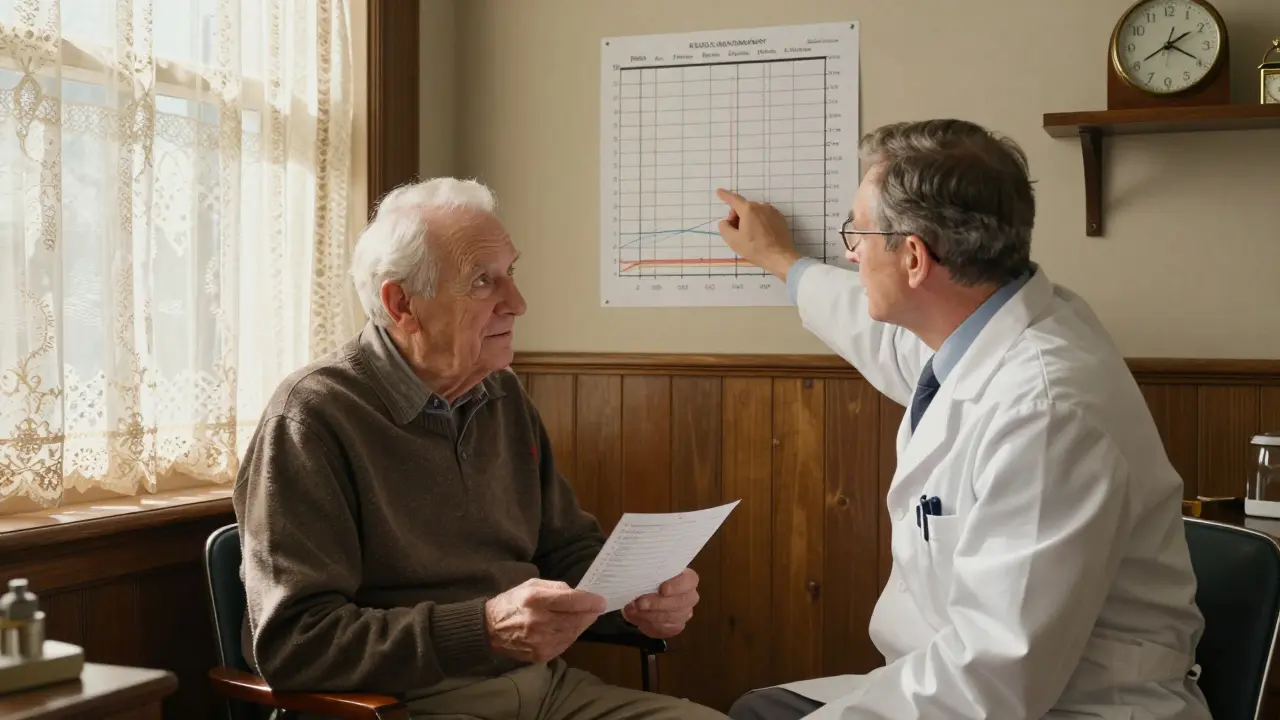
When you’re over 65 and your kidneys aren’t working like they used to, even a normal dose of a common pill can turn dangerous. It’s not about being old-it’s about how your body changes. Your kidneys filter drugs out of your blood. As they slow down, those drugs build up. And in older adults, that buildup doesn’t just cause side effects-it can land you in the hospital, cause falls, confusion, or even death.
Why Kidney Function Drops with Age
Your kidneys don’t just wear out like an old car. Starting around age 40, kidney function slowly declines-about 1% per year. By 70, most people have lost 30-50% of their kidney filtering capacity. That’s why renal impairment isn’t rare in older adults. In fact, nearly 4 out of 10 people over 65 have chronic kidney disease (CKD) stage 3 or worse. But here’s the problem: many doctors still use the same dosing rules for seniors as they do for 30-year-olds. That’s like giving a child a full adult dose of painkillers-just because the bottle says so.How We Measure Kidney Function (And Why It’s Often Wrong)
Doctors usually check kidney function with a blood test for creatinine. But creatinine levels can be misleading in older people. Muscle mass drops as we age, so even if your kidneys are failing, your creatinine might look normal. That’s why we rely on formulas to estimate how well your kidneys are really working. The two most common formulas are the Cockcroft-Gault (CG) equation and the MDRD equation. CG uses your age, weight, sex, and creatinine to calculate creatinine clearance (CrCl). MDRD estimates glomerular filtration rate (GFR) using the same inputs but adds race. For elderly patients, CG is often preferred because it’s more conservative. Why? Because MDRD can overestimate kidney function by 15-20% in older adults. That means if MDRD says your GFR is 32, your real kidney function might be closer to 25. And if you’re on a drug that needs a dose change at GFR under 30, you’re already at risk. There’s a newer option: cystatin C. It’s not affected by muscle mass the way creatinine is. Studies show it’s more accurate in older adults. But it’s not yet routine in most clinics. If your doctor doesn’t check it, ask.Medications That Can Hurt You (And How to Fix It)
Some drugs are cleared almost entirely by the kidneys. For these, even small drops in kidney function can cause dangerous buildup. Here are the big ones:- Metformin (for diabetes): Stopped if creatinine is above 1.5 mg/dL in men or 1.4 mg/dL in women in the U.S. But in Europe, it’s often used with close monitoring. Never start it if your GFR is below 30.
- Gabapentin (for nerve pain): One of the most commonly misdosed drugs. If your CrCl is under 50, the dose should drop by half. But studies show over two-thirds of doctors miss this.
- Rivaroxaban (blood thinner): Dose must be cut in half if CrCl is between 15-49. Too much can cause internal bleeding.
- Allopurinol (for gout): Standard dose is 100 mg daily. But if your GFR is under 10, start with 100 mg every other day. Too much can cause a deadly skin reaction.
- Digoxin (for heart rhythm): Therapeutic range is tiny-0.8 to 2.0 ng/mL. Too high? You get nausea, blurry vision, irregular heartbeat. Levels should be checked 15-20 days after starting in someone with severe kidney impairment.
- Lithium (for bipolar disorder): Toxicity can happen even with small changes in kidney function. Target level is 0.6-0.8 mmol/L for long-term use. Must be monitored monthly.
Three Ways to Adjust Dosing
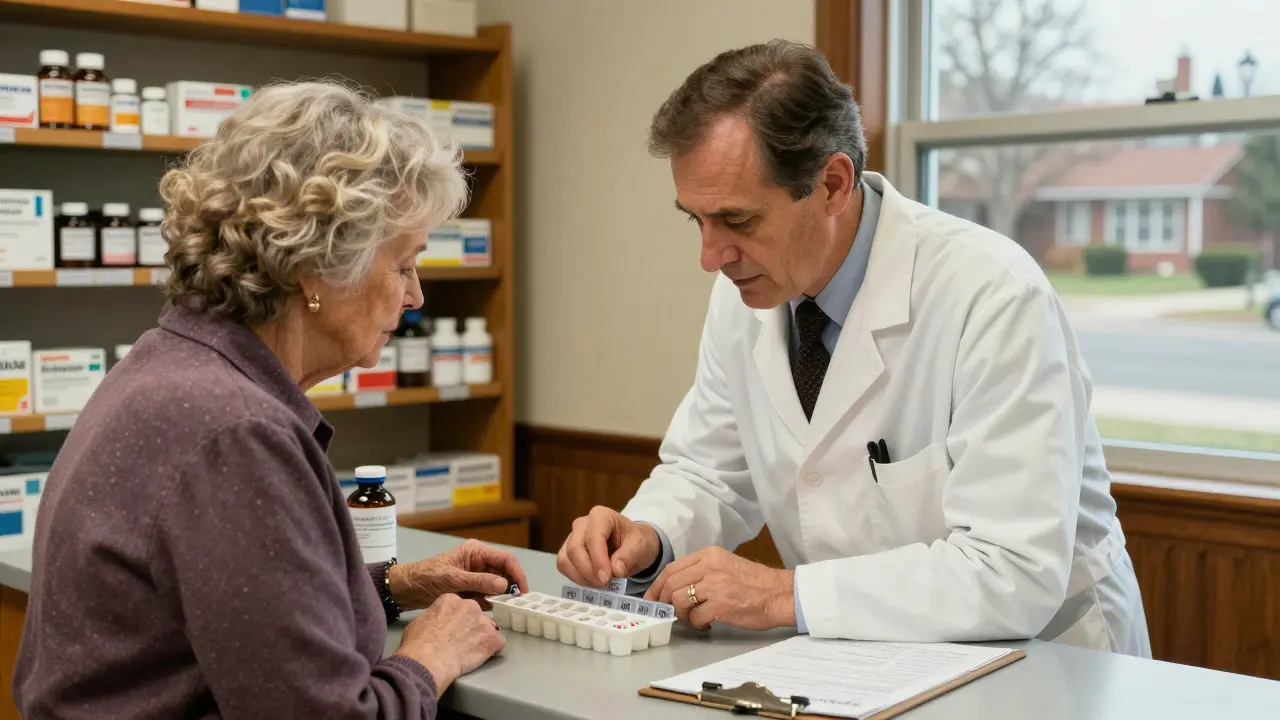
There are three basic strategies to keep drugs safe in kidney impairment:- Dose reduction-Lower the amount you take each time. Example: Gabapentin drops from 300 mg three times a day to 100 mg twice a day if CrCl is under 30.
- Interval extension-Keep the same dose but give it less often. Example: Cefepime (an antibiotic) goes from every 6 hours to every 24 hours if CrCl is under 10.
- Combination-Do both. Example: Piperacillin/tazobactam drops from 3.375g every 6 hours to 2.25g every 8 hours.
What Works in Real Clinics
Knowing what to do is one thing. Doing it consistently is another. A 2015 study found only 44% of doctors adjusted doses properly in elderly patients. The worst offenders? Gabapentin, rivaroxaban, and allopurinol. But solutions exist. The University of Nebraska Medical Center added automated alerts in their electronic health record system. Within a year, dosing errors dropped by 37%. At Mayo Clinic, when pharmacists took charge of adjusting doses for patients over 65, adverse drug events fell by 58%. Mobile apps like Epocrates Renal Dosing are used over a million times a year. Many hospitals now have built-in calculators that auto-adjust doses based on lab results. If your doctor doesn’t use one, ask if they can.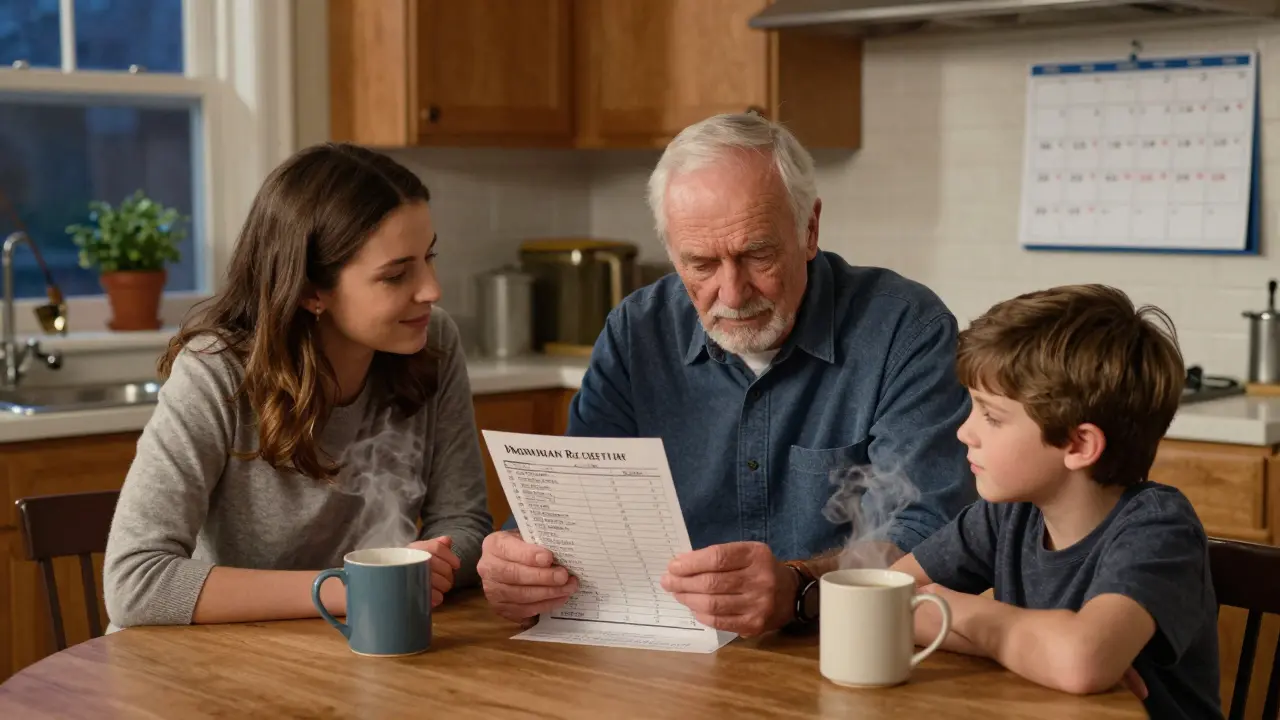
The Bigger Picture: Why This Matters
This isn’t just about pills. It’s about safety, independence, and avoiding hospital stays. The FDA now requires all new drugs targeting older adults to include renal dosing info. The European Medicines Agency is even stricter. Medicare penalizes hospitals with too many drug-related errors-up to 1% of their payments. That’s real money. The Beers Criteria, updated yearly by the American Geriatrics Society, lists 32 medications with specific dosing rules for seniors. If your doctor prescribes one of these without checking your kidney function, speak up. New tech is coming. In early 2023, the FDA approved DoseOptima-an AI tool that reads your lab results and suggests exact doses based on your kidney function. It’s 92% accurate in trials. But it’s not everywhere yet.What You Can Do Today
If you or someone you care for is over 65 and takes regular medications:- Ask your doctor: "What’s my estimated kidney function?" and "Is my dose adjusted for that?"
- Request a cystatin C test if creatinine looks normal but you’re on high-risk meds.
- Keep a list of all your meds-including supplements-and bring it to every appointment.
- Ask if your pharmacist can review your doses. Many pharmacies offer free med reviews for seniors.
- Watch for signs of toxicity: confusion, dizziness, nausea, muscle weakness, unusual bruising, or swelling.
Final Thought: It’s Not About Age. It’s About Function.
You’re not too old to take medicine safely. You’re just someone whose body works differently now. The goal isn’t to stop treatment-it’s to make it fit you. A lower dose isn’t a weaker dose. It’s the right dose. And for many older adults, that’s the difference between staying at home-and ending up in the ER.How do I know if my medication dose is too high because of kidney problems?
Signs include dizziness, confusion, nausea, muscle weakness, swelling in the legs, or unusual bruising. If you’re on drugs like gabapentin, digoxin, lithium, or blood thinners and notice these symptoms, contact your doctor immediately. A simple blood test for creatinine or cystatin C can show if your kidneys are struggling to clear the drug.
Can I still take metformin if I have kidney impairment?
In the U.S., metformin is stopped if serum creatinine exceeds 1.5 mg/dL in men or 1.4 mg/dL in women, or if eGFR falls below 30. In Europe, it’s sometimes used cautiously with regular monitoring. Never start or keep taking metformin without checking your kidney function first. The risk of lactic acidosis is low but deadly.
Why do some doctors still use the wrong dose for elderly patients?
Many doctors aren’t trained in geriatric pharmacology. Time pressure, lack of access to updated guidelines, and reliance on outdated formulas like MDRD without checking for muscle loss contribute. Also, some think "less is better" and reduce doses too much, leading to under-treatment. The key is using the right tool-Cockcroft-Gault-and knowing when to consult a pharmacist.
Are over-the-counter painkillers safe for seniors with kidney issues?
NSAIDs like ibuprofen and naproxen can worsen kidney function and raise blood pressure. They’re not safe for long-term use in older adults with kidney impairment. Acetaminophen (Tylenol) is usually safer, but don’t exceed 3,000 mg per day. Always check with your doctor before taking any OTC pain reliever.
Should I get my kidney function tested every year if I’m over 65?
Yes-if you take any regular medications, especially for diabetes, high blood pressure, heart disease, or arthritis. Even if you feel fine, kidney function can drop slowly without symptoms. A simple blood test (creatinine) and urine test for protein should be part of your annual checkup. If you’re on high-risk drugs, test every 3-6 months.
Can lifestyle changes improve kidney function in older adults?
You can’t reverse age-related decline, but you can slow it. Control blood pressure and blood sugar. Stay hydrated (without overdoing fluids). Avoid NSAIDs. Don’t smoke. Eat less salt. Maintain a healthy weight. These won’t restore lost function, but they prevent further damage-and reduce the need for high-dose meds.

Laura Arnal
January 30, 2026 AT 09:56Just had my grandma’s med list reviewed by her pharmacist last week-turns out she was on double the recommended gabapentin dose for her CrCl. She’s been sleeping better and not falling anymore. 😊 So simple, so life-changing. Ask your doc for a med review! 🙌
Jasneet Minhas
January 31, 2026 AT 00:25Ah yes, the classic ‘creatinine looks fine so we’re good’ approach. Because nothing says ‘I’m a competent physician’ like ignoring muscle mass decline in 70-year-olds. 🤦♂️ Meanwhile, the patient is dizzy, confused, and wondering why they’re on 5 different pills that all say ‘take once daily’ but somehow feel like a chemical storm.
Eli In
January 31, 2026 AT 07:14As someone whose mom is in her late 70s and on 12 meds, this hits home. I used to think ‘if the doctor prescribed it, it’s safe.’ Turns out, nope. Now I print out the Beers Criteria, highlight the red flags, and bring it to every appointment. It’s awkward, but it saves lives. 🌍❤️
Megan Brooks
January 31, 2026 AT 08:39The clinical implications of underestimating renal function in the elderly are profound and underappreciated. While pharmacokinetic models are essential, they must be contextualized within the broader geriatric syndromes-frailty, polypharmacy, and cognitive decline. A reduction in dose is not merely a pharmacological adjustment; it is a restoration of autonomy and dignity. The data supports this, yet implementation remains inconsistent across systems.
Ryan Pagan
February 1, 2026 AT 19:12Let’s be real-most docs are running on coffee and caffeine jitters. They glance at a creatinine, see ‘normal,’ and slap on the same script they’d give a 30-year-old. Meanwhile, your grandma’s kidneys are whispering ‘help’ and the system is screaming ‘BILLING CODE 99214.’ I’ve seen patients crash from rivaroxaban because no one checked CrCl. This isn’t negligence-it’s systemic laziness. Fix the damn EHR alerts already!
Paul Adler
February 2, 2026 AT 15:37It’s fascinating how something as routine as prescribing a pill can carry such hidden risk. The body doesn’t age uniformly-some 80-year-olds have kidneys like 50-year-olds, and vice versa. That’s why we need personalized medicine, not population-based dosing. The fact that cystatin C isn’t standard yet is a failure of adoption, not science.
Kristie Horst
February 2, 2026 AT 18:25Oh, so now we’re blaming doctors for not knowing geriatric pharmacology? How about the 20-minute visit where the patient can’t even remember their own meds? Or the insurance that won’t cover cystatin C? Or the fact that most guidelines are written for people who have time to read them? Let’s stop pretending this is just a ‘doctor problem.’ It’s a system problem. And we’re all paying for it.
Andy Steenberge
February 3, 2026 AT 05:39One of the most overlooked tools in geriatric care is the pharmacist. They’re the unsung heroes who catch the 10% of errors that the 90% of overwhelmed docs miss. When Mayo Clinic put pharmacists in charge of dosing for seniors, adverse events dropped by over half. That’s not magic. That’s competence. Why aren’t we funding more of this?
Laia Freeman
February 4, 2026 AT 04:08OMG I just realized my dad’s been taking allopurinol at 100mg daily for 3 years and his GFR is like 18?? He’s been super tired and has these weird rashes… I’m calling his doc TOMORROW. THANK YOU FOR THIS POST!! 😭🙏
rajaneesh s rajan
February 4, 2026 AT 05:26They say AI will fix this. DoseOptima? Cute. But in India, most elders are on 10-year-old prescriptions from a doctor who doesn’t even know what CrCl means. Technology doesn’t fix ignorance. Education does. And no one’s funding that. The real problem? We treat aging like a bug to be patched, not a natural process to be understood.
paul walker
February 5, 2026 AT 21:03Just got my kidney test back-CrCl at 42. I’m on gabapentin and didn’t know I needed a dose change. I’m so glad I read this. Going to print it out and hand it to my doc. Thanks!
Alex Flores Gomez
February 6, 2026 AT 21:18Look, I get it. You’re all worried about grandmas on gabapentin. But let’s not forget: we’re in a post-fact world where people think ‘natural remedies’ fix kidney failure. Meanwhile, real science gets drowned out by TikTok ‘healers.’ The real crisis isn’t dosing-it’s the public’s refusal to trust evidence.
Frank Declemij
February 6, 2026 AT 21:30Simple solution: Use Cockcroft-Gault. Don’t use MDRD for elderly. Test cystatin C when in doubt. Adjust dose based on actual clearance. Document it. Repeat. Done.
Pawan Kumar
February 7, 2026 AT 10:28Who really benefits from these ‘dose adjustments’? The patients? Or the pharmaceutical companies who profit from higher volumes of pills? If they wanted safety, they’d design drugs that don’t rely on kidneys. But they don’t. Because profit > safety. And that’s the truth they don’t want you to see.