
Why Fertility Preservation Matters Before Chemotherapy
Chemotherapy doesn’t just target cancer cells-it can also wreck your reproductive system. For many people, especially those under 40, the fear of losing the chance to have biological children after treatment is just as heavy as the cancer diagnosis itself. About 80% of common chemotherapy drugs carry a high risk of damaging ovaries or testes, according to the American Society of Clinical Oncology. That means if you’re planning to have kids someday, skipping fertility preservation could mean saying goodbye to that dream for good.
It’s not just about eggs or sperm. Chemotherapy can trigger early menopause in women, leaving them infertile and dealing with years of hot flashes, mood swings, and bone loss. In men, it can wipe out sperm production entirely. The good news? There are proven ways to protect your future fertility-and they need to happen before treatment starts. Waiting too long can cost you that chance.
What Are the Proven Fertility Preservation Methods?
There are six main options backed by decades of research and clinical use. Each has different requirements, success rates, and timing needs. The right one for you depends on your cancer type, treatment plan, age, relationship status, and how quickly you need to start chemo.
1. Sperm Banking (for Men)
This is the simplest and most reliable option for men. All you need is 2-3 days of abstinence, then a semen sample is collected and frozen. The process takes less than an hour and doesn’t delay cancer treatment. Post-thaw, about 40-60% of sperm remain motile, and success rates for IVF using frozen sperm are high. It’s been used since the 1950s and is considered standard care. No partner or hormones needed. Just a sample, a vial, and a freezer.
2. Egg Freezing (Oocyte Cryopreservation)
For women, freezing unfertilized eggs is now a routine procedure. It starts with 10-14 days of daily hormone injections to stimulate the ovaries. Then, eggs are retrieved through a minor outpatient procedure under sedation. The eggs are flash-frozen using vitrification, which keeps 90-95% alive after thawing. Each frozen egg has a 4-6% chance of leading to a live birth, so most women aim to freeze 15-20 eggs for a decent shot. The process can be started at any point in your menstrual cycle now thanks to “random-start” protocols, cutting the wait time from weeks to about 11 days on average.
3. Embryo Freezing
Similar to egg freezing, but the eggs are fertilized with sperm (from a partner or donor) before being frozen. Embryos have higher survival and pregnancy rates-50-60% live birth rates per transfer for women under 35. But this option requires sperm, which can be a barrier for single women or those not ready to choose a donor. It’s the most successful method, but also the most emotionally complex for some.
4. Ovarian Tissue Freezing
This is the only option for girls who haven’t reached puberty, or for women who can’t wait 10-14 days for hormone stimulation. A surgeon removes small pieces of ovarian tissue through a quick laparoscopic procedure. The tissue, packed with thousands of immature eggs, is frozen. Later, when the patient is cancer-free, the tissue is reimplanted. It’s been done over 200 times globally, with successful pregnancies reported even after five or more years of chemotherapy-induced menopause. The FDA doesn’t classify it as experimental anymore, and it’s now offered at most major cancer centers.
5. Ovarian Suppression with GnRHa
This isn’t a guarantee, but it can help. Monthly shots of drugs like goserelin (Zoladex) put the ovaries into temporary hibernation during chemo. Studies show it reduces the risk of early menopause by 15-20%. It’s not a replacement for egg or tissue freezing, but it’s a helpful add-on-especially if you can’t do other procedures. Side effects? Think menopause symptoms: hot flashes, night sweats, mood changes. Some women stop the shots because they’re too uncomfortable.
6. Radiation Shielding (for Pelvic Cancer)
If you’re getting radiation to the pelvis, a custom lead shield can block up to 90% of radiation from reaching the ovaries or testes. It’s simple, non-invasive, and works only for radiation-not chemo. But when combined with other methods, it adds another layer of protection.
Timing Is Everything
You don’t have weeks to decide. For many cancers-especially leukemia or lymphoma-you might have only 48 to 72 hours before chemo starts. That’s why doctors now stress: talk to a fertility specialist the moment you’re diagnosed. A 2022 study found that 68% of women regretted not acting fast when delays went past 21 days.
Here’s what you need to do right away:
- Ask your oncologist for a referral to a reproductive endocrinologist.
- Don’t wait for “a better time.” The clock starts ticking the day you get your diagnosis.
- For men: freeze sperm within 72 hours if possible.
- For women: start hormone stimulation as soon as possible-even if it’s mid-cycle.
- For children or teens: ask about ovarian tissue freezing immediately.
Many cancer centers now have on-site fertility teams ready to act within days. But if yours doesn’t, don’t wait. Call a nearby fertility clinic directly. Time saved is fertility preserved.

What About Cost and Insurance?
Costs vary widely. Sperm banking: $300-$800 upfront, plus $200-$500 yearly storage. Egg freezing: $8,000-$15,000 per cycle, plus $500-$1,000 yearly storage. Embryo freezing is similar. Ovarian tissue freezing can cost $10,000-$15,000.
Insurance coverage is improving-but still inconsistent. As of 2025, 24 U.S. states require insurers to cover fertility preservation for cancer patients. But Medicaid only covers it in 12 states. Many women report denials for egg freezing, even when their oncologist says it’s necessary. If you’re denied, appeal. Cite ASCO guidelines. Ask your hospital’s social worker for help navigating appeals.
Some nonprofits offer grants or discounted cycles for cancer patients. Organizations like the Live Strong Foundation and the Oncofertility Consortium can connect you with financial aid.
Emotional and Practical Realities
Deciding on fertility preservation isn’t just medical-it’s deeply personal. One woman on Reddit said, “I was diagnosed with breast cancer at 29. The thought of freezing my eggs felt like a betrayal of my cancer fight. But not doing it felt like giving up my future.”
It’s normal to feel overwhelmed. You’re facing cancer, making life-altering decisions, and maybe dealing with insurance headaches. But you’re not alone. Support groups like Breast Cancer Now and r/infertility have thousands of people who’ve walked this path.
Some women who froze eggs and later gave birth say it gave them something to look forward to during treatment. Others chose not to pursue it-and found peace in adoption, surrogacy, or living child-free. There’s no right answer. Only the one that’s right for you.
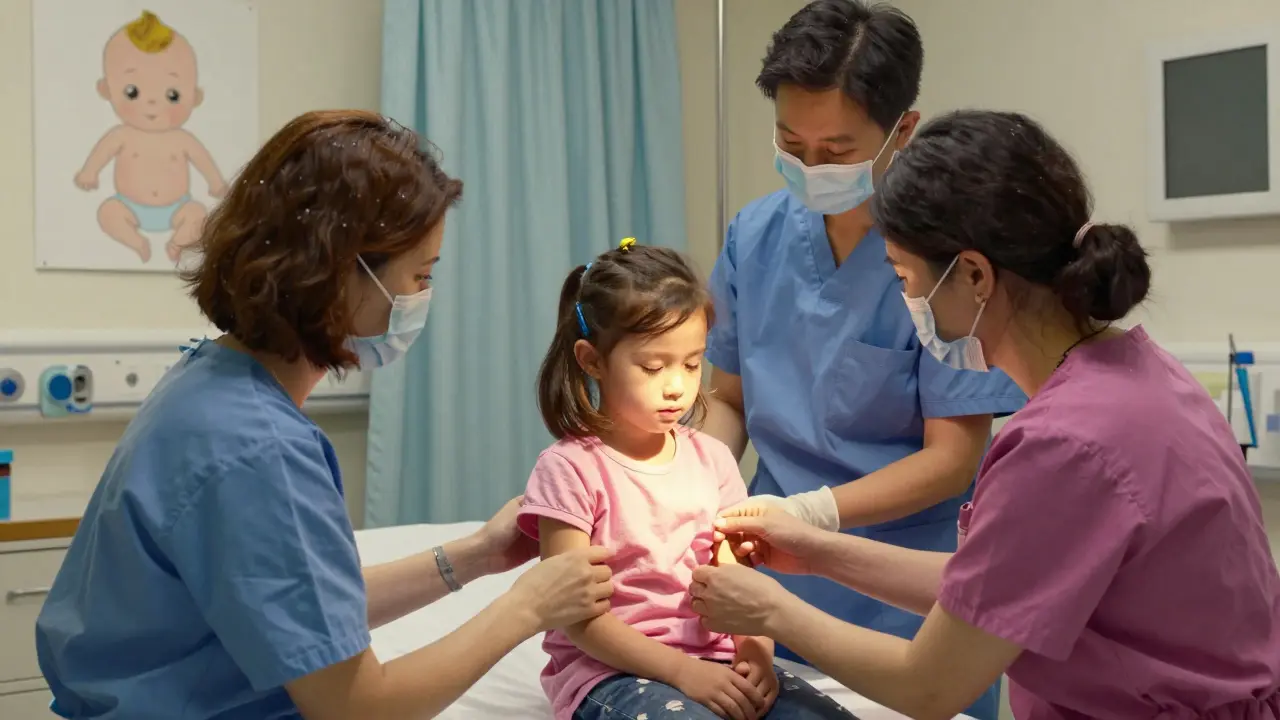
What’s New in Fertility Preservation?
The field is moving fast. In 2023, the FDA approved a closed-system vitrification device that cuts contamination risk by 92%. Researchers are now testing “artificial ovaries”-lab-grown structures that can grow and mature eggs outside the body. Early animal studies show promising results. One breakthrough: scientists in Europe successfully activated frozen ovarian tissue in the lab, meaning future patients might not need surgery to transplant tissue back.
And the need is growing. By 2040, half of childhood cancer survivors will need fertility help. That’s driving investment, innovation, and better access.
Final Thoughts: Don’t Wait
Fertility preservation isn’t optional for many cancer patients-it’s part of the treatment plan. Just like you’d get a port for chemo or take anti-nausea meds, you should consider your reproductive future. Talk to your team. Ask questions. Get a referral. Even if you’re unsure, take the first step. Freezing sperm takes an hour. Starting egg stimulation takes a day. Ovarian tissue removal is a 30-minute surgery.
You’re fighting cancer. Don’t let your future slip away because you didn’t ask the right question.
Can I still preserve fertility if I’m already in the middle of chemotherapy?
It’s much harder, but not always impossible. For men, sperm banking may still be possible if sperm production hasn’t been fully wiped out. For women, egg or embryo freezing is rarely an option once chemo has started because hormones won’t work well and eggs may already be damaged. Ovarian tissue freezing can sometimes be done during early treatment, but only if the cancer isn’t aggressive. Always ask your doctor-it depends on your specific situation.
Is fertility preservation covered by insurance?
It depends on your state and plan. As of 2025, 24 U.S. states require private insurers to cover fertility preservation for cancer patients. Medicaid covers it in only 12 states. Many plans still deny coverage for egg freezing, even with a cancer diagnosis. If denied, appeal with a letter from your oncologist citing ASCO guidelines. Hospital social workers can help you navigate this process.
What if I’m single and don’t have a partner?
You still have options. Egg freezing doesn’t require sperm. Embryo freezing needs donor sperm, which many clinics offer. Ovarian tissue freezing is also a great option-it doesn’t require a partner at all. You can always use donor sperm later when you’re ready to start a family. Your fertility future doesn’t depend on your relationship status today.
How successful is ovarian tissue transplantation?
Success rates are strong: 65-75% of patients regain ovarian function after tissue is reimplanted. Over 200 live births have been reported worldwide from this method. It’s especially effective for young girls and women who need to start chemo immediately. The tissue can be stored for years and still work. One woman gave birth to twins five years after her transplant, even though she’d been in menopause since treatment.
Can children preserve their fertility before chemo?
Yes, but only through ovarian tissue freezing for girls and testicular tissue freezing for boys. Testicular tissue freezing is still experimental and not yet proven to result in live births. Ovarian tissue freezing is the standard for prepubertal girls and has led to successful pregnancies. It’s now recommended by the Children’s Oncology Group for all girls facing gonadotoxic treatment.
Do fertility preservation methods delay cancer treatment?
Usually not. With modern protocols, egg freezing can start at any point in the menstrual cycle and be completed in about 11 days. Sperm banking takes hours. Ovarian tissue removal is a 30-minute surgery. Experts agree: even a 2-week delay can increase relapse risk in aggressive cancers like leukemia. That’s why clinics now prioritize speed-fertility preservation is integrated into the cancer care plan, not a separate step.

Harbans Singh
December 26, 2025 AT 04:08Lindsay Hensel
December 27, 2025 AT 09:27Michael Dillon
December 27, 2025 AT 21:08Oluwatosin Ayodele
December 29, 2025 AT 20:41Jason Jasper
December 31, 2025 AT 07:22Mussin Machhour
January 2, 2026 AT 07:13Winni Victor
January 3, 2026 AT 07:20Sophie Stallkind
January 5, 2026 AT 01:55Katherine Blumhardt
January 6, 2026 AT 16:23Bailey Adkison
January 6, 2026 AT 18:03Gary Hartung
January 8, 2026 AT 09:41Ben Harris
January 9, 2026 AT 00:29Carlos Narvaez
January 10, 2026 AT 12:22