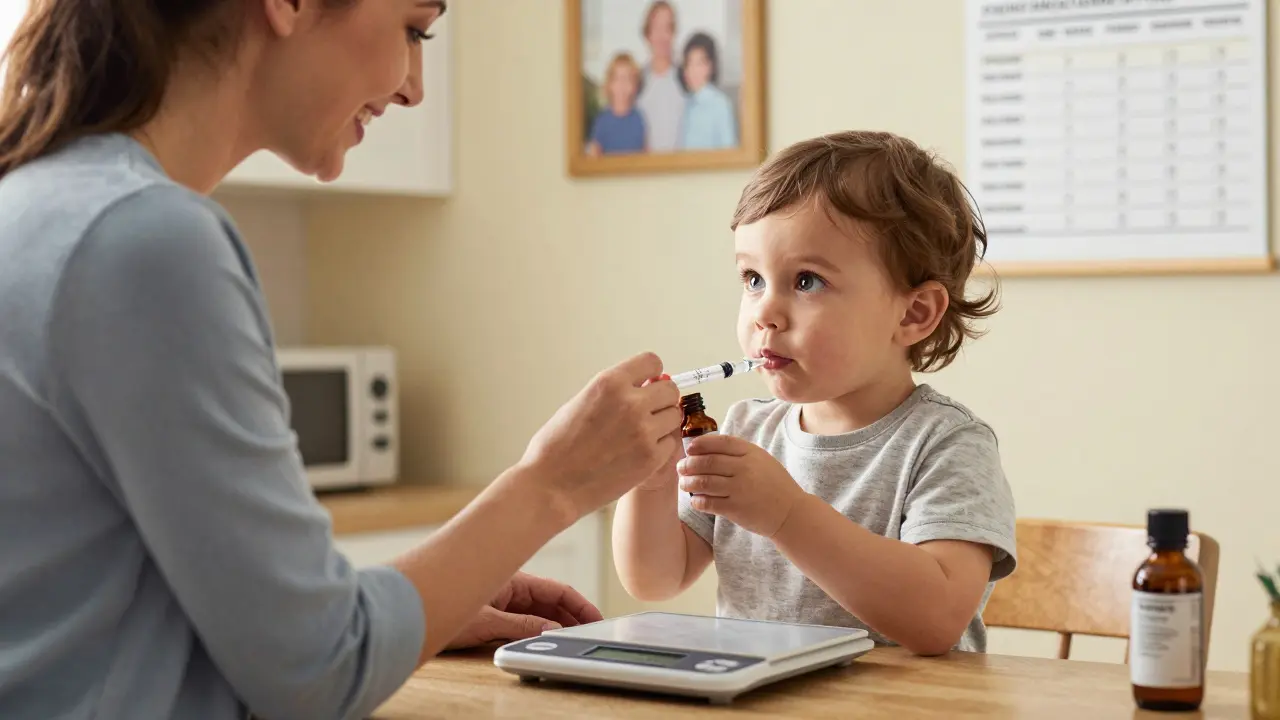
When your child has a fever, you want to help them feel better-fast. But with two common options-acetaminophen and ibuprofen-it’s easy to feel confused. Which one works better? Is one safer? Can you use both together? These aren’t just questions you ask Google at 2 a.m.-they’re decisions that matter for your child’s health.
What’s the difference between acetaminophen and ibuprofen?
Acetaminophen (also called paracetamol) and ibuprofen both lower fever and ease pain, but they work in different ways. Acetaminophen mainly affects the brain’s temperature control center. Ibuprofen is an NSAID-it reduces inflammation, which is why it’s also used for sore muscles, earaches, and teething pain.
Here’s what the data says about how they compare:
- Ibuprofen lowers fever more effectively. In studies, kids given ibuprofen were more likely to be fever-free at 4 hours than those given acetaminophen.
- Ibuprofen lasts longer. It works for 6-8 hours. Acetaminophen typically lasts 4-6 hours.
- Both work about the same for pain relief, though ibuprofen may have a slight edge for longer-lasting discomfort like ear infections or teething.
That’s why many pediatricians now recommend ibuprofen as the first choice for fever in kids over 6 months. But age matters. The American Academy of Pediatrics says do not give ibuprofen to babies under 6 months unless a doctor says it’s okay. For babies under 3 months, avoid acetaminophen too-unless it’s under medical supervision.
Safety: What do the studies really say?
Parents often worry about side effects. Is one harder on the liver? The kidneys? Does it cause asthma?
Let’s break it down:
- Liver safety: Acetaminophen is processed by the liver. Too much-even a little too much-can cause serious damage. That’s why it’s critical to dose by weight, not age. A 12-pound baby needs a completely different amount than a 22-pound toddler. The FDA standardized concentrations in 2011 to cut down on errors, but many parents still use old measuring cups or guess based on age. That’s how 68% of dosing mistakes happen, according to pediatric clinics.
- Kidney safety: Ibuprofen can affect kidney function, especially if a child is dehydrated. That’s why you should never give it when they’re vomiting, have diarrhea, or aren’t drinking well. But in healthy, hydrated kids? Studies show no increased risk of kidney injury compared to acetaminophen.
- Asthma risk: A 2022 meta-analysis found that babies given acetaminophen in their first year had a 1.6 times higher risk of developing asthma by age 3. This doesn’t mean it causes asthma-it just shows a link. The reason isn’t clear yet. Some experts think it might be related to how acetaminophen affects immune responses in early life.
- Stomach upset: Ibuprofen can cause mild stomach upset in about 1 in 5 kids. Acetaminophen is gentler on the stomach. If your child throws up right after taking ibuprofen, it’s worth switching to acetaminophen for a day or two.
Bottom line: Both are safe when used correctly. Neither is “better” across the board. It’s about matching the right medicine to your child’s age, symptoms, and health.
Dosing: How much is too much?
Dosing by age on the bottle? That’s a trap.
Every pediatrician in the country will tell you: always dose by weight. A 15-pound baby needs less than half of what a 30-pound toddler needs-even if they’re both “6 months old.”
Here are the standard safe doses for children under 2:
| Medication | Dose per kg | Max Daily Dose | How Often |
|---|---|---|---|
| Acetaminophen | 7-15 mg/kg | 75 mg/kg | Every 4-6 hours |
| Ibuprofen | 4-10 mg/kg | 40 mg/kg | Every 6-8 hours |
Use the syringe or cup that comes with the bottle. Never use a kitchen spoon. A teaspoon from your drawer can hold anywhere from 2 to 8 mL-way off from the 5 mL you need. In fact, 22% of adverse events in young kids happen because of wrong administration technique.
And never, ever use adult medicine. Even a single adult Tylenol tablet can poison a toddler. In 2022, 17% of pediatric poisoning cases involved accidental ingestion of adult medication.

Can you alternate acetaminophen and ibuprofen?
Many parents swear by alternating-giving acetaminophen at 8 a.m., ibuprofen at 2 p.m., acetaminophen again at 8 p.m. It sounds smart. But it’s risky.
Here’s why:
- You’re doubling the chance of a dosing error.
- It’s easy to lose track of which medicine you gave last.
- No major medical group recommends it routinely. The American Academy of Pediatrics says it’s only okay under a doctor’s guidance.
Still, 63% of parents do it anyway, according to a BabyCenter survey. Why? Because their child’s fever won’t break. But alternating doesn’t make the fever go away faster-it just makes it harder to know if something’s wrong.
If your child’s fever lasts more than 72 hours, or if they’re acting unusually lethargic, not drinking, or have a rash, call your doctor. Don’t just keep dosing.
What about brand names vs. generics?
Children’s Tylenol, Children’s Motrin, and other brand names cost more-but they’re not better.
Generic acetaminophen and ibuprofen have the same active ingredients. In fact, 76% of sales are generics, according to retail data. The only difference? Flavor, color, and price. Some brands have better-tasting formulas, which helps when your child resists medicine. But the effectiveness? Identical.
Check the label. Look for “acetaminophen” or “ibuprofen” as the first ingredient. If it says “cold & fever” or “multi-symptom,” put it back. Those contain extra ingredients like antihistamines or decongestants-none of which are safe or needed for a simple fever.
What’s new in 2026?
Research is still evolving. In 2024, Boston Children’s Hospital started a major study called PAIN-RELIEF, tracking 1,200 babies under 2 to see which dosing method works best. Early results are expected this summer.
The FDA is also reviewing new data on acetaminophen and asthma risk. A 2023 report from the European Respiratory Journal showed a clear link between early acetaminophen use and later wheezing. That’s why some European countries now advise limiting acetaminophen in babies under 1 year unless absolutely necessary.
Meanwhile, the American Academy of Pediatrics is updating its guidelines in January 2025. They’re expected to clarify recommendations for infants under 6 months-a group that’s still understudied.
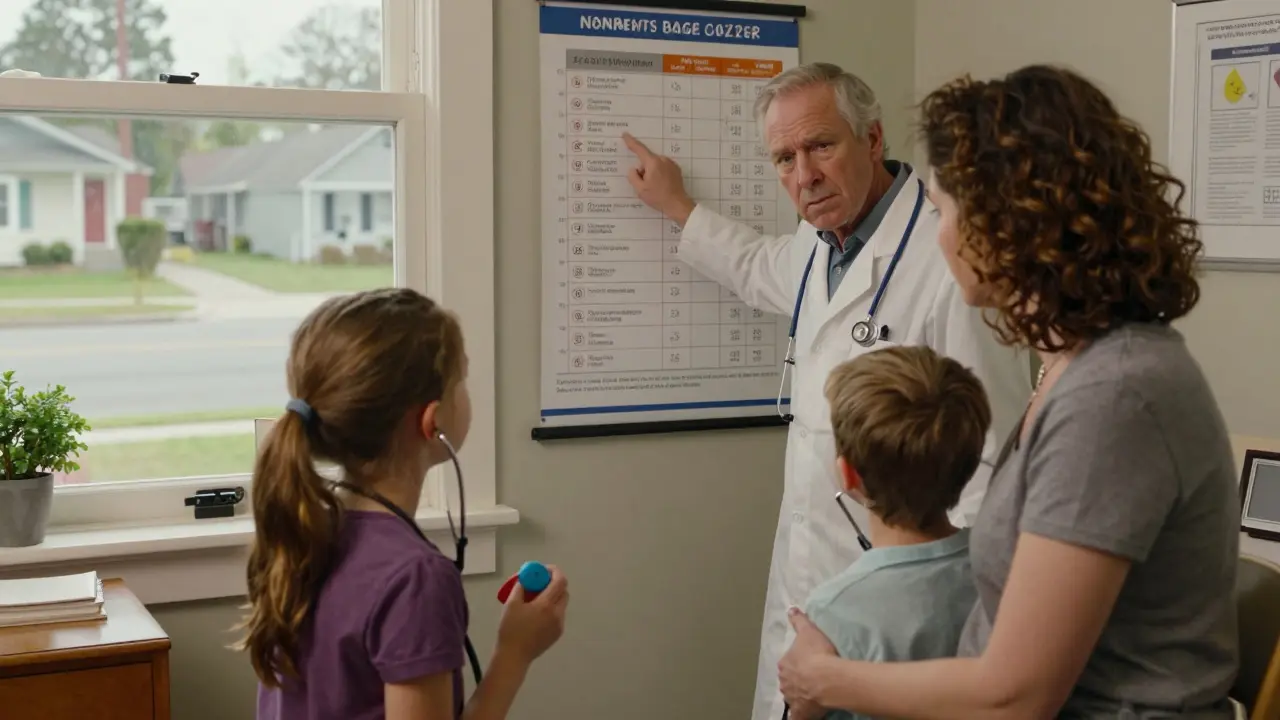
What to do when your child has a fever
Here’s a simple action plan:
- Check your child’s temperature with a digital rectal or armpit thermometer. Fever is 100.4°F (38°C) or higher in babies under 3 months.
- Don’t rush to medicate. If your child is playful, drinking, and alert, the fever itself isn’t dangerous. It’s their body fighting infection.
- If they’re uncomfortable, give medicine based on weight-not age.
- Use the right tool: the syringe or cup that came with the bottle.
- Keep them hydrated. Offer water, breast milk, or formula often.
- Call your doctor if fever lasts more than 3 days, or if your child is under 3 months and has any fever.
Remember: fever isn’t the enemy. It’s a sign your child’s immune system is working. Your job isn’t to kill the fever-it’s to keep them safe, hydrated, and comfortable while their body heals.
When to worry
Most fevers are harmless. But watch for these red flags:
- Baby under 3 months with any fever
- Difficulty breathing or rapid breathing
- Stiff neck or extreme sensitivity to light
- Refusing to drink for 8+ hours
- Unusual drowsiness or difficulty waking
- Rash that doesn’t fade when you press on it
- Seizure (even if it lasts only a few seconds)
If you see any of these, go to urgent care or the ER. Don’t wait.
Can I give my baby acetaminophen if they’re under 3 months?
Only if a doctor tells you to. The American Academy of Pediatrics advises against using acetaminophen in babies under 3 months without medical supervision. Their liver is still developing, and the risk of accidental overdose is higher. Always call your pediatrician first.
Is ibuprofen safe for a 4-month-old with a fever?
Yes, if they’re at least 6 months old and healthy. For babies under 6 months, ibuprofen isn’t recommended unless a doctor says it’s okay. If your 4-month-old has a fever, use acetaminophen only after talking to your pediatrician.
How do I know I’m giving the right dose?
Weigh your child on a baby scale (or at your pediatrician’s office). Then check the label on the medicine bottle for the dose based on weight. Never use age-based charts. If you’re unsure, call your pharmacist or doctor. A 10-pound difference can mean a full 2.5 mL difference in dose.
Can I use the same measuring cup for both medicines?
No. Use the dosing tool that comes with each bottle. They’re calibrated differently. Mixing tools can lead to serious overdoses. Even if they look the same, they’re not. Always keep them separate.
My child threw up after taking ibuprofen. Should I give more?
No. Wait at least 2 hours before giving another dose. If they vomit right after taking it, it’s likely the medicine didn’t get absorbed. Don’t double up. If vomiting continues or your child seems dehydrated, call your doctor.
Are there natural ways to reduce fever without medicine?
Yes-but they won’t replace medicine if your child is in discomfort. Dress them in light clothing, keep the room cool, and offer fluids. A lukewarm sponge bath can help if they’re very hot, but never use cold water or alcohol. These methods help comfort, but they don’t lower fever as reliably as acetaminophen or ibuprofen.
Final takeaway
There’s no perfect fever medicine for every child. Acetaminophen is gentler on the stomach and safer for very young babies. Ibuprofen works better and lasts longer for most kids over 6 months. The key isn’t picking one over the other-it’s using the right one, at the right dose, at the right time.
Always dose by weight. Always use the right tool. Always watch for warning signs. And when in doubt-call your pediatrician. You don’t need to guess your way through a fever.

Candice Hartley
January 27, 2026 AT 21:24Just gave my 8-month-old ibuprofen for the first time after reading this - thank you for the clarity. 🙌 No more guessing games.
suhail ahmed
January 28, 2026 AT 10:51Bro this is the most real guide I’ve ever read on pediatric meds. Not just facts - it’s like someone sat with me at 3 a.m. holding a syringe and said ‘breathe’. The part about kitchen spoons? I used one last week. 😳 Thanks for saving my kid from a dosing disaster.
astrid cook
January 29, 2026 AT 05:40Wow. Just wow. The FDA is clearly asleep at the wheel letting parents use these drugs like candy. I knew it. This is why kids are so sick these days. Someone should sue the pharmaceutical companies. And why is everyone ignoring the asthma link? It’s obvious. It’s all connected.
Paul Taylor
January 30, 2026 AT 00:02Look I’ve been a nurse for 22 years and I’ve seen parents mess this up so many times its heartbreaking. You gotta weigh the kid every single time even if they gained two ounces. I had a mom once give her 14-pounder the 20-pound dose because the bottle said ‘6–11 months’ and her kid was 8 months. The kid ended up in the ER with liver enzymes through the roof. This guide is spot on. Dose by weight. Always. No exceptions. No ‘but my kid looks bigger’. You don’t get to wing it with kids’ livers.
And the alternating thing? Don’t. You think you’re being smart but you’re just making a spreadsheet your brain can’t handle at 2 a.m. with a screaming baby. Use one. Stick with it. If it’s not working after 45 minutes call the doc not the internet.
Also stop using those plastic cups that come with the bottle. They’re garbage. Use the syringe. Even if it’s a pain. Even if your kid kicks. Syringe. Always. The cup holds too much. I’ve seen it. Every. Single. Time.
Desaundrea Morton-Pusey
January 30, 2026 AT 14:42Why are we even talking about this? In my day we just gave aspirin and told them to drink water. Now we’ve got charts and apps and syringes and weight calculations. It’s ridiculous. This country is overmedicating everything. My kid had a fever for three days and we just put a cool cloth on his forehead. He’s fine. No drugs needed.
Murphy Game
January 31, 2026 AT 20:44Did you know the FDA approved acetaminophen for infants after a single study with 47 babies? And that study was funded by Johnson & Johnson? The asthma link? That’s not a link - it’s a pattern. They’re hiding it. You think they want you to know that Tylenol might be wrecking your kid’s immune system? No. They want you buying more. Wake up.
John O'Brien
February 1, 2026 AT 14:13Y’all are overcomplicating this. Ibuprofen for kids over 6 months - period. It works better, lasts longer, and if your kid is sick enough to need meds, they’re probably inflamed. Acetaminophen is for when you can’t give ibuprofen - like if they’re dehydrated or throwing up. And if you’re alternating? You’re not being a hero. You’re being a liability. I’ve seen parents mix up doses and end up in the ER with their kid on a ventilator. Just pick one. Stick with it. If it’s not working in 4 hours, call the doctor. Simple.
Andrew Clausen
February 2, 2026 AT 10:14There is a critical error in the dosing table. The maximum daily dose for ibuprofen is listed as 40 mg/kg, but the AAP recommends a maximum of 40 mg/kg per day, not per dose. This could lead to dangerous overdosing if interpreted incorrectly. Please correct this. Accuracy matters.
Anjula Jyala
February 3, 2026 AT 15:13Acetaminophen is hepatotoxic by design because of its metabolic pathway via CYP2E1 and glutathione depletion. Ibuprofen inhibits COX-1 and COX-2 prostaglandin synthesis which explains its anti-inflammatory properties. The asthma correlation is likely due to oxidative stress modulation in early immune development. You need to understand the pharmacokinetics before you administer. Otherwise you're just a layperson with a measuring cup.
Kirstin Santiago
February 5, 2026 AT 13:16This is exactly what I needed. I’ve been terrified to give either one because I didn’t know the difference. Now I feel like I can actually help my 9-month-old without panicking. Thank you for not talking down to us. Just giving us the facts like grown-ups. 🤍
Kathy McDaniel
February 6, 2026 AT 12:04my kid got a fever last week and i just gave him tylenol and it worked fine. i think i’m gonna stick with that. also i used a teaspoon lol whoops. but he’s fine so maybe it’s all okay?? 🤷♀️
Kegan Powell
February 7, 2026 AT 09:19Fevers aren’t the enemy. They’re your child’s body doing its job. The real enemy is panic. The real hero is a calm parent with a thermometer and a glass of water. You don’t need to crush the fever. You just need to keep your kid safe while their body fights. And if you’re reading this at 2 a.m. with tears in your eyes? You’re already doing better than you think.
Trust yourself. You’ve got this. 💪
April Williams
February 9, 2026 AT 07:13I can’t believe you’re still letting parents use these drugs without mandatory certification. This is insane. If you can’t read a dosing chart, you shouldn’t be allowed to own a child. I’ve seen too many kids hurt because their parents were too lazy to learn. This guide should be required reading before you leave the hospital with your newborn. No exceptions.
Harry Henderson
February 10, 2026 AT 02:50STOP USING BRAND NAMES. Just buy generic. You’re throwing money away. I buy the store brand ibuprofen for $3. It’s the same damn thing. Stop feeding Big Pharma. Your kid doesn’t care if it says Motrin or not. They care if you’re calm and hydrated. And guess what? Generic is cheaper so you can afford more diapers. Win win.
Marian Gilan
February 11, 2026 AT 23:23Did you know that in 2023 the WHO quietly added acetaminophen to their list of suspected immunomodulatory disruptors? And that the CDC is already reviewing it for possible removal from pediatric formularies? They’re not telling you because they’re scared of the backlash. But I found the draft memo. It’s real. You’re being kept in the dark.