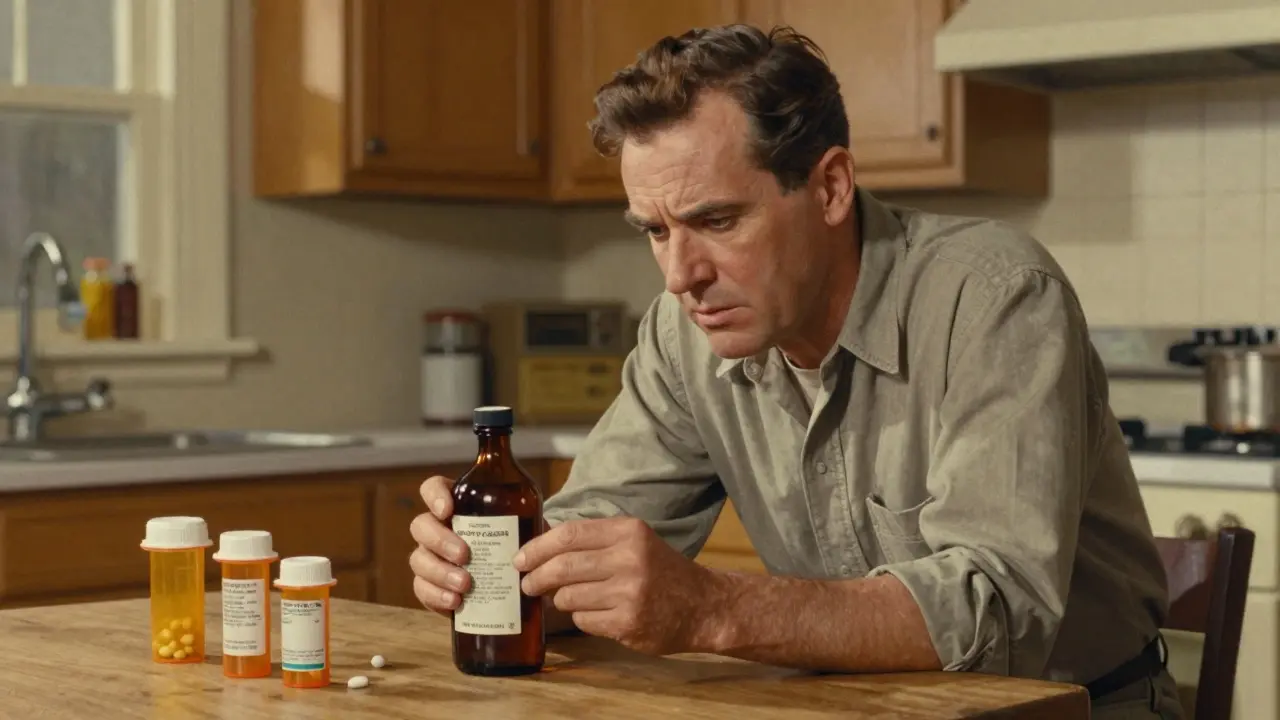
If you are taking a medication to treat depression, you probably know that some drugs just don't mix. But when it comes to MAO Inhibitors is a class of antidepressant medications that prevent the breakdown of neurotransmitters like serotonin, dopamine, and norepinephrine in the brain. While these drugs are incredibly effective for treatment-resistant depression, they come with a catch: the margin for error is slim. A single dose of the wrong cough syrup or a slice of aged cheese can trigger a medical emergency.
The real danger isn't the drug itself, but how it changes your body's chemistry. Because MAOIs stop your brain from "cleaning up" certain chemicals, those chemicals can build up to toxic levels if you introduce other substances that increase them. We are talking about two primary risks: a massive, sudden spike in blood pressure known as a hypertensive crisis, and a toxic overload of serotonin called serotonin syndrome. Both can be fatal if not treated immediately.
The Danger of Serotonin Syndrome
Imagine your brain as a sink. Serotonin is the water flowing in, and the enzyme monoamine oxidase is the drain. When you take an MAOI, you essentially plug the drain. If you then take another medication that turns the faucet on full blast, the sink overflows. This is Serotonin Syndrome, a condition where too much serotonin accumulates in your system.
It can start with mild shivers or diarrhea, but it quickly escalates. In severe cases, your body temperature can soar above 106°F, leading to metabolic acidosis and muscle breakdown (rhabdomyolysis). There are documented cases, such as a 32-year-old man who required intubation after taking just 50mg of the painkiller tramadol while on selegiline. The risk is so high that the FDA mandates a strict "washout period"-usually 14 days-when switching from an MAOI to an SSRI, and up to 5 weeks if you're coming off fluoxetine.
You need to be extremely careful with these specific triggers:
- Antidepressants: SSRIs (like citalopram or fluoxetine) are the most dangerous pairing.
- Pain Medications: Opioids like tramadol, meperidine, and methadone are absolutely forbidden.
- OTC Cough Meds: Dextromethorphan, found in over 100 common cold products, can cause severe agitation and hyperthermia.
- Antibiotics: Linezolid acts as an MAOI itself and can trigger a crisis.
- Natural Supplements: St. John's Wort, 5-HTP, and SAMe are not "safe" alternatives; they can lead to temperatures over 104°F and dangerously high blood pressure.
Hypertensive Crisis and the Tyramine Trap
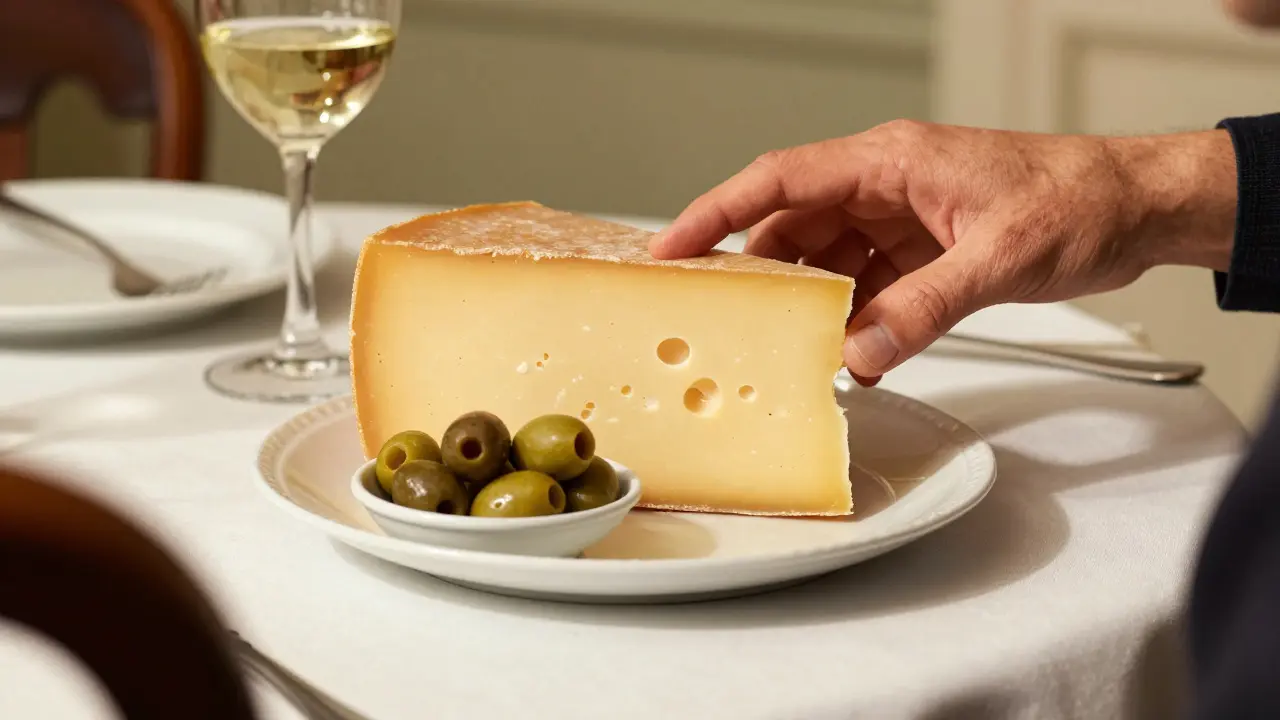
While serotonin syndrome is about a chemical overload, a hypertensive crisis is about a sudden, violent spike in blood pressure. This usually happens because of Tyramine, an amino acid found in aged or fermented foods. Normally, your body breaks tyramine down effortlessly. On an MAOI, tyramine stays in your system and forces your body to release massive amounts of norepinephrine.
This isn't a slow climb; it's a spike. Your systolic blood pressure can jump by 100 mmHg within an hour, sometimes reaching 250 mmHg. This puts you at immediate risk for a stroke or heart failure. For some, eating just one ounce of strong aged cheese-containing about 15mg of tyramine-is enough to trigger the event.
| Food Category | Examples | Risk Factor |
|---|---|---|
| Aged Cheeses | Cheddar, Swiss, Blue Cheese | High (>6mg tyramine per serving) |
| Fermented Soy | Soy sauce, Miso, Tempeh | Very High (up to 30mg per tbsp) |
| Cured Meats | Salami, Pepperoni, Pastrami | High (5-100mg per ounce) |
| Certain Alcohols | Chianti wine, Draft/Tap beer | Moderate to High |
Sympathomimetics: The Hidden Cold Medicine Risk
It isn't just food and antidepressants that cause trouble. Many over-the-counter (OTC) decongestants are "sympathomimetics," meaning they mimic the effects of the sympathetic nervous system. A common culprit is Phenylephrine, found in countless nasal sprays and sinus medications.
When phenylephrine hits a system already primed by an MAOI, it stimulates vascular receptors in a way that sends blood pressure skyrocketing. Even more dangerous are products containing ephedrine. Though the FDA banned many of these in 2004, some variations still exist. Co-administering these with an MAOI has led to emergency ICU admissions within 30 minutes of ingestion.
Managing the Risks in 2026
Because the risks are so high, the way doctors prescribe MAOIs has changed. You'll notice that the vast majority of these prescriptions are now handled by psychiatrists rather than general practitioners. This is because managing these interactions requires specialized knowledge of pharmacy and diet.
One major shift is the move toward transdermal options. The Emsam patch (selegiline) is now the most popular form of MAOI. At the lowest dose (6mg/24hr), the patch bypasses much of the first-pass metabolism in the gut, which significantly lowers the risk of tyramine-induced crises. This allows some patients to enjoy a more normal diet without the constant fear of a blood pressure spike.
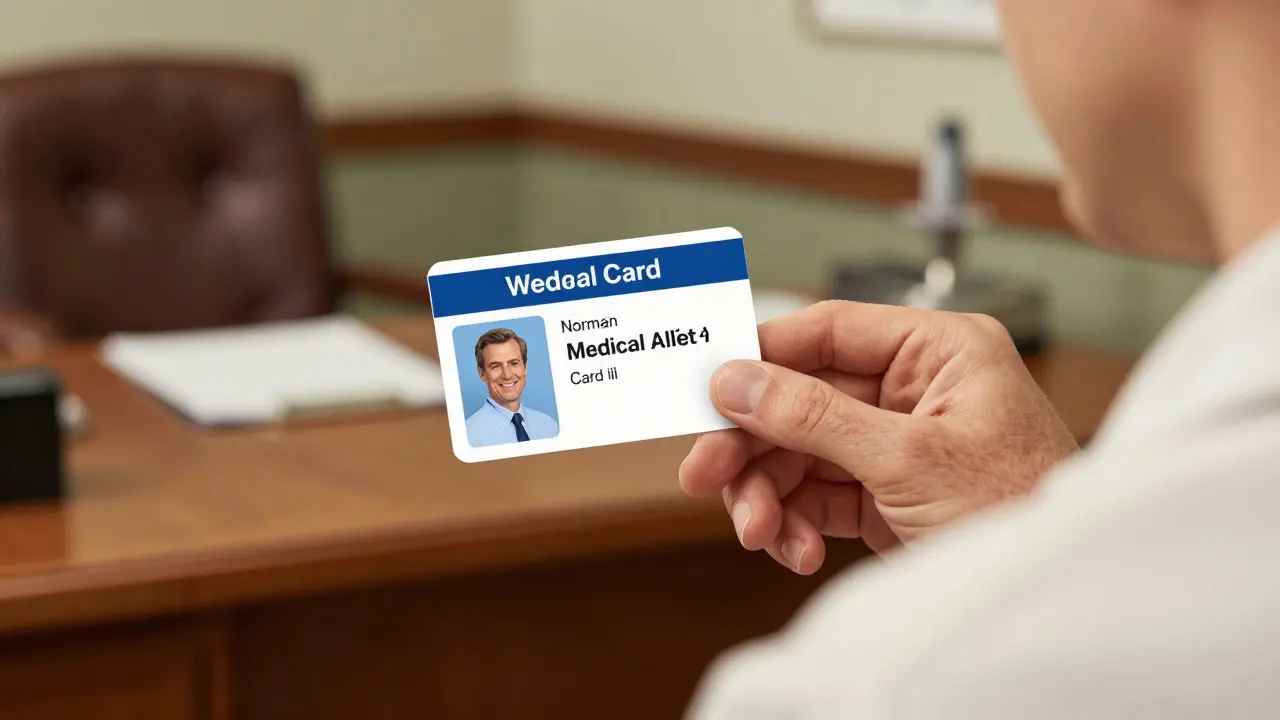
If you are on an oral MAOI like phenelzine or tranylcypromine, the gold standard for safety is the "wallet card." Since emergency room doctors or dentists might not know your full history, carrying a card that lists contraindicated medications can literally save your life.
Can I take any cough medicine on an MAOI?
No, you must avoid any product containing dextromethorphan. Always check the "Drug Facts" label for a black box warning regarding MAOIs. If you have a cold, consult your doctor for a safe, non-interacting alternative.
How long do I have to wait before switching to an SSRI?
Generally, a 14-day washout period is required to allow the MAOI to leave your system. However, if you are switching from fluoxetine (Prozac), you may need to wait up to 5 weeks because of its exceptionally long half-life.
What should I do if I accidentally eat a high-tyramine food?
Monitor your blood pressure immediately. If you experience a sudden, severe headache, nausea, or chest pain, seek emergency medical care. These are signs of a hypertensive crisis that requires immediate intervention.
Are all MAOIs equally dangerous with food?
No. Irreversible MAOIs (like phenelzine) have the strictest dietary requirements. Reversible inhibitors or low-dose patches like the Emsam 6mg patch have a much lower risk of interaction and may allow for more dietary flexibility.
Is St. John's Wort safe since it's natural?
Absolutely not. St. John's Wort increases serotonin levels. Combining it with an MAOI can lead to severe serotonin syndrome, characterized by high fever, tremors, and potentially fatal blood pressure spikes.
Next Steps for Patients and Caregivers
If you've just been prescribed an MAOI, don't panic, but do be proactive. Start by auditing your medicine cabinet-toss any old cough syrups or decongestants that contain dextromethorphan or phenylephrine. Next, create a "safe list" of foods you enjoy and check their tyramine levels using a reliable medical guide.
For those managing care for an elderly relative, be extra vigilant. Many seniors take multiple medications for blood pressure or pain; adding an MAOI to this mix increases the risk of accidental interaction. Ensure their primary care doctor and any specialists (like cardiologists) are aware of the MAOI prescription to avoid conflicting prescriptions.


Ben Jima
April 25, 2026 AT 20:53This is a vital resource for anyone navigating these specific medications. I highly recommend that patients create a physical checklist for their kitchen and medicine cabinet to prevent any accidental ingestions. Being proactive about these interactions is the absolute best way to ensure the treatment remains safe and effective!
Daniel Runion
April 26, 2026 AT 20:04Ridiculous!!! Everyone acts like this is some kind of secret science, but it's basically just basic biology!!! Most people can't even read a label properly anyway, so why bother with the fancy guides??? Just don't eat the cheese!!! Simple!!!
Carol Yang
April 27, 2026 AT 14:59Glad there's a patch option now.
Vijay AGarwal
April 29, 2026 AT 03:41LISTEN UP! The danger of tyramine is an absolute NIGHTMARE! I've seen the sheer terror in people's eyes when they realize a simple piece of salami could send them straight to the ICU! It is a chemical battlefield in the bloodstream! You cannot afford to be casual about this! One mistake and your blood pressure hits the ceiling like a rocket ship! Absolute madness!
Sharyl Foster
April 30, 2026 AT 11:21The
Brittney Prince
May 2, 2026 AT 00:27Typical pharma scare tactics. They make these
Nila Sawyer
May 2, 2026 AT 03:34Oh my goodness, I am just so incredibly grateful that this information is out there for everyone to see because it can truly save lives 🌟! It is so important to stay positive while managing these health challenges, and knowing exactly what to avoid is such a wonderful way to take control of your own wellbeing and feel empowered in your journey to healing ✨! I hope everyone reading this feels supported and encouraged to talk to their doctors to find the safest path forward for their unique needs because we are all in this together 💖🌸!
James Harrison
May 3, 2026 AT 09:00It's interesting how these drugs force us to be so mindful of what we put in our bodies. It turns a simple meal into a conscious decision. There is a strange kind of discipline that comes with this level of restriction, almost like a forced meditation on the connection between chemistry and consciousness.
Jaclyn Vo
May 3, 2026 AT 14:37Um, hello?? Did we forget to mention that some
Andre Ojakäär
May 4, 2026 AT 05:10everyone loves to panic over tyramine but honestly the 6mg patch is a total game changer it basically deletes the fear factor from the equation just take the patch and stop stressing about the cheese it is not that deep
Nikita Shabanov
May 5, 2026 AT 04:56For those using the patch, please remember that while the risk is lower, it is not zero. Always maintain a dialogue with your physician regarding any new supplements. Many herbal teas also contain ingredients that could potentially interfere with MAOIs, so a cautious approach is always the professional standard.
Anand Mehra
May 6, 2026 AT 05:12chemical shackles just another way to control the mind through diet and fear pseudo science at its finest
Elle Torres Sanz
May 7, 2026 AT 19:51I think it's wonderful how we can share these safety tips across different communities. For those of us who cook traditional foods from different cultures, like fermented fish or soy products, it's a good reminder to be extra careful and maybe find some creative, safe substitutes that still taste like home.
sachin singh
May 9, 2026 AT 15:04The level of detail regarding the washout period is quite helpful. I believe that understanding the half-life of medications like fluoxetine provides patients with the necessary logic to follow these strict timelines without feeling frustrated by the wait.