
The Bottom Line
Most patients want fast relief without scary side effects, but every migraine drug carries a different risk profile. Triptans carry cardiovascular warnings, Gepants are safer for the heart but slower acting, and Ditans can make you too drowsy to drive safely. Choosing the right option depends heavily on your personal health history rather than just how bad your headache feels.
Understanding the Three Classes of Acute Medication
When you grab a bottle of pills during a migraine attack, you aren't just taking painkillers. You are targeting specific biological pathways in your brain. Understanding this distinction is crucial for safety. For decades, the standard treatment relied heavily on serotonin modulation. More recently, newer technologies have focused on blocking calcitonin gene-related peptide (CGRP). These differences dictate what side effects you might experience.
Triptans are a class of medications that work as agonists at serotonin 5-HT1B/1D receptors.
These were introduced to revolutionize treatment starting with sumatriptan's FDA approval in 1991 by GlaxoSmithKline. They remain the most prescribed option globally because they target the pathophysiology of the migraine directly. However, their age means we have decades of safety data showing specific risks related to blood vessel constriction.
Gepants are calcitonin gene-related peptide [CGRP] receptor antagonists developed for acute treatment.
This class emerged much later. Ubrogepant (Ubrelvy) received FDA approval on December 23, 2019, followed closely by rimegepant (Nurtec ODT) on February 27, 2020. They offer a non-vasoconstricting alternative, making them vital for people who cannot safely take older drugs.
Ditans are 5-HT1F receptor agonists represented currently by lasmiditan.
Lasmiditan (Reyvow) gained FDA approval on October 31, 2019. It targets a slightly different receptor pathway than triptans, avoiding the vasoconstriction issue but introducing significant central nervous system risks.
The Hidden Dangers of Triptans
You have probably heard friends talk about "feeling a pressure in the chest" after taking these drugs. This isn't just anxiety; it's a documented physiological reaction. A landmark systematic review published in JAMA Network Open in October 2021 analyzed 64 randomized clinical trials involving 46,442 participants. This is the most comprehensive comparative safety data available today.
The primary concern is cardiovascular safety. Because triptans cause vasoconstriction (narrowing of blood vessels) to stop the pain signals, they are not safe for everyone. If you have uncontrolled high blood pressure, coronary artery disease, or history of stroke, taking a triptan could theoretically trigger a serious event. The American Academy of Family Physicians guidelines from February 2018 emphasize avoiding triptans within 24 hours of dihydroergotamine administration due to additive vasoconstrictive effects.
Beyond heart risks, sensory symptoms are common. The Medical Letter's December 2022 analysis documents that tingling sensations occur in 8-15% of patients across various trials. Flushing happens in 5-12%, while dizziness affects 7-14%. The route you take matters, too. Subcutaneous sumatriptan causes injection-site discomfort in 40% of users according to FDA labeling. Nasal sprays leave an unpleasant aftertaste in approximately 25% of patients. Interestingly, almotriptan and frovatriptan tend to show fewer minor adverse effects compared to other drugs in this class based on a 2016 meta-analysis cited in the American Academy of Family Physicians publication.
Gepants: Safer for the Heart, Different Timeline
If heart health is your priority, gepants look like the winner. Unlike triptans, these drugs do not constrict blood vessels. The Medical Letter specifically notes that CGRP antibodies and oral gepants have not been associated with cardiovascular adverse events, making them a safer option for patients with cardiovascular contraindications to triptans.
However, "safer" doesn't mean "side effect free." Systemic adverse effects are uncommon, but nausea is the most reported complaint. About 4-6% of ubrogepant users experience nausea, and rimegepant sits at 3-5% per FDA labels. Somnolence affects 2-4% of patients. Hypersensitivity reactions have been reported with rimegepant at a rate of 0.1%.
The trade-off here is speed. Gepants demonstrate a slower onset of action compared to triptans. Most head-to-head comparisons show triptans superior for efficacy at 2 hours. However, gepants may offer better sustained relief at 24-48 hours due to longer half-lives-ubrogepant stays active for 5-7 hours and rimegepant for 10-12 hours, whereas triptans range from 2-14 hours depending on the specific drug.

Ditans and the Sedation Trap
Lasmiditan (Reyvow) is the sole member of its class so far, but its safety profile requires a very specific type of caution. In the SAMURAI trial, dizziness was reported in 18.8% of patients taking the 100mg dose versus only 8.5% in the placebo group. Paresthesia (that "pins and needles" feeling) occurred in 9.4% of users compared to 2.8% for placebo.
Sedation is the big deal here. Sedation impacts 7.8% of users versus 2.3% for placebo. Vertigo hits 5.6% compared to 1.7%. Perhaps most concerning is the impact on daily function. Cognitive changes are seen in 2.8% of users. Dr. Rami Burstein, Professor of Anesthesia at Harvard Medical School, noted in a May 2023 American Headache Society webinar that "the CNS side effect profile of lasmiditan limits its utility as a first-line agent, particularly for patients who need to resume activities quickly after dosing."
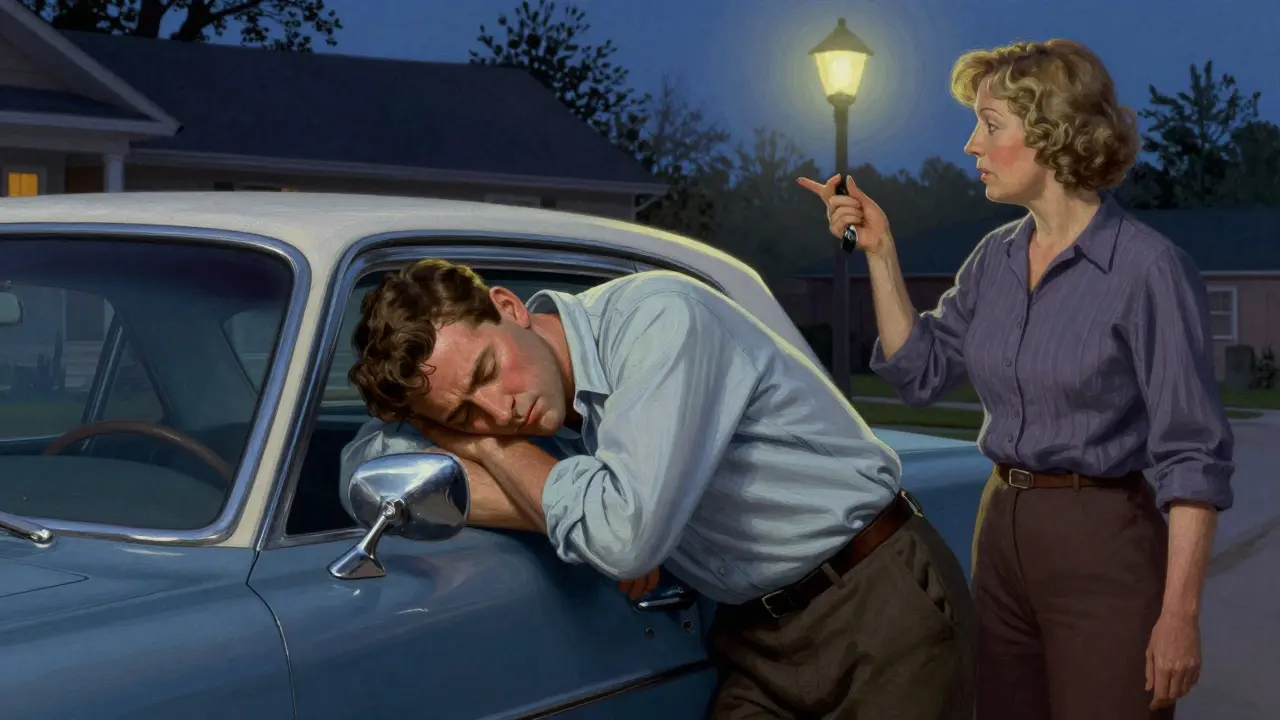
FDA regulations are strict regarding driving. Patients must not drive or operate machinery for at least 8 hours after taking Reyvow. A study published in the journal Headache in May 2021 confirmed significant driving impairment at 5 hours post-dose. This effectively means missing a full workday or needing a ride home even if the migraine stops.
| Medication Class | Primary Safety Risk | Common Side Effects | Driving Restriction |
|---|---|---|---|
| Triptans | Cardiovascular Events | Chest Tightness (3-8%), Tingling, Fatigue | Caution Advised |
| Gepants | Nausea & Sedation | Nausea (4-6%), Somnolence (2-4%) | No Specific Ban |
| Ditans | Dizziness & Impairment | Dizziness (18.8%), Vertigo, Incoordination | Mandatory 8-Hour Ban |
Data-Driven Safety Reality
We can look at the hard numbers to see how these drugs stack up. The JAMA Network Open meta-analysis demonstrated that ditans were associated with the highest risk of adverse events among all treatments, with an odds ratio of 2.87 compared to placebo. Triptans showed intermediate risk, while gepants demonstrated the lowest risk profile overall.
Specifically, triptans appeared associated with higher risks of any adverse events than rimegepant (odds ratio 1.43) and ubrogepant (odds ratio 1.38). While triptans still dominate the market with 62% share through Q3 2023, gepants are rapidly gaining ground (28% share) as patients prioritize heart safety.
User reviews on platforms like Drugs.com align with clinical data. Triptans average a 6.4 out of 10 rating. Common positive comments include quick onset, such as, "Sumatriptan works within 30 minutes." However, negative reviews frequently cite chest tightness. One user wrote, "Experienced severe chest pressure with first dose of Imitrex - never using it again."
Rimegepant averages 7.1 out of 10, with users praising its cleaner profile: "No chest pressure like with triptans, just takes longer to work." Conversely, lasmiditan averages 5.8 out of 10, with 63% of negative comments mentioning dizziness or sedation. A Reddit user in November 2023 posted, "Reyvow made me feel drunk without alcohol," which garnered 147 upvotes, highlighting the real-world impact of these warnings.
Practical Safety Rules for Daily Life
Knowing the theory is good, but application matters most. First, never mix triptans with dihydroergotamine within a 24-hour window. The combined vasoconstrictive effects can overwhelm your system. Second, check drug interactions. For example, rimegepant should not be used with strong CYP3A4 inhibitors like ketoconazole because it increases exposure by 4.5-fold.
Avoid lasmiditan if you have a history of seizures or take medications that lower seizure threshold. The Medical Letter cautions this due to theoretical concerns, even though clinical evidence remains limited. Finally, consider the timing. If you know you have to drive to a family emergency or get back to work immediately, lasmiditan might be a poor choice regardless of how effective it is at stopping the pain.
Patient Experiences Versus Clinical Trials
There is a gap between what doctors see in controlled studies and what happens at home. Some reported adverse effects may actually represent unmasking of migraine symptoms rather than drug effects, particularly for CNS symptoms like somnolence and weakness. The Medical Letter notes that these might be part of the migraine attack itself. Still, if you feel unsafe, trust your body.
Long-term discontinuation rates for triptans are estimated between 55.2% to 81.5% cited in the JAMA Network Open meta-analysis, partly driven by these side effects. Market shifts indicate that newer options like zavegepant (completed phase 3 trials August 2023) might offer alternatives with intranasal delivery and favorable safety profiles.
Are gepants safer than triptans for my heart?
Yes. Gepants lack the mechanism that causes blood vessel narrowing, making them significantly safer for patients with cardiovascular conditions compared to triptans.
Can I drive after taking lasmiditan?
You must wait at least 8 hours before driving or operating machinery. Studies show significant impairment up to 5 hours post-dose.
What are the most common side effects of triptans?
Sensory symptoms like tingling, flushing, dizziness, fatigue, and chest tightness occur in varying percentages of patients, sometimes reaching 15% for tingling.
How long does it take for gepants to work?
Gepants generally have a slower onset of action than triptans. While triptans often relieve pain at 2 hours, gepants may take longer but offer better sustained relief over 24 hours.
Is there a risk of addiction with these medications?
Current data suggests low potential for abuse. However, overuse can lead to medication overuse headaches, so frequency limits apply to all classes.


Sam Hayes
April 3, 2026 AT 10:11i find triptans work fast but the chest pressure scares me honestly so i look at gepants now because heart health matters a lot when you are stressed and have bad migraines every week anyway
Lawrence Rimmer
April 3, 2026 AT 11:14Pain is a biological signal designed to protect us yet we swallow chemicals to silence it without understanding the root cause Safety statistics are just numbers on a page that do not account for the individual variation in human physiology
Vicki Marinker
April 5, 2026 AT 00:18It is fascinating how pharmaceutical marketing convinces people that newer is inherently safer without addressing the latency period of pain relief A delayed onset merely shifts the burden of suffering rather than eliminating the pathology entirely
Sakshi Mahant
April 6, 2026 AT 16:37I completely understand your concern about the financial burden of these newer medications and it is a valid point to raise However the medical data suggests that the risk profile differs significantly enough for specific groups like those with heart history It is important to respect both the economic struggle and the physiological needs of patients requiring treatment options today We should encourage doctors to listen to patient preferences while maintaining safety standards
Beth LeCours
April 8, 2026 AT 11:42New meds always cost more money.
Joey Petelle
April 9, 2026 AT 12:15How quaint that cost concerns are your primary worry when survival is actually on the line with these substances If you cannot afford the premium pricing model for your own neurological safety then perhaps you should consider the cheaper option of enduring the headache until it resolves naturally True freedom comes from accepting the cost of biological privilege in a modern healthcare system
Joseph Rutakangwa
April 9, 2026 AT 20:30dont drive if you take reybow for eight hours serious impairment happens early in the afternoon stay safe everyone
angel sharma
April 11, 2026 AT 15:10I have been dealing with severe migraines for years now and took lasmiditan last month to see how it felt during a really bad attack that lasted three days non-stop The dizziness was absolutely insane though because I felt like I was standing on a boat in the middle of the ocean while trying to walk to the kitchen to get water It made me realize why people say you cannot drive because my balance was totally gone for six hours straight even though the pain stopped completely within thirty minutes of swallowing the tablet I thought maybe I would sleep it off but I could not sleep because the room kept spinning around me in a circle which made everything scary and loud at the same time Eventually the feeling went away but I stayed home the rest of the day and called in sick to work just to be safe which shows how disruptive these drugs can be for daily life Another person told me they tried sumatriptan and hated the chest pressure but wanted to save money so they stuck with the older brands despite knowing about the heart warnings I think everyone needs to decide what they value most like whether driving to work matters more than avoiding heart stress issues or having zero drowsiness for the rest of the day after dosing The studies mention stats but stats are not real life situations where you need to care for kids or manage office tasks while recovering from intense head pain Hopefully insurance companies will cover these newer options faster so patients do not have to choose between their wallet and their brain chemistry stability My neighbor said he uses rimegepant because it is a dissolving tablet which seems super convenient for someone who hates drinking water when they feel nauseous already He mentioned that his nausea went away quickly but he still felt a bit foggy for the rest of the morning after waking up early to take the dose at sunrise Everyone talks about efficacy rates but nobody discusses the social impact of being unable to function normally while waiting for the drug to wear off completely It is crazy how many variables change depending on your personal body weight or liver health which affects how long the medication stays active in your bloodstream Reading the detailed safety tables helps a lot to understand exactly what you are risking versus what you gain in terms of actual headache relief duration I wish there were more tools available to track our responses to different meds so we could share better data with our doctors during checkup appointments This whole discussion is great for spreading awareness because most people just suffer in silence without knowing all the options exist for acute treatment phases