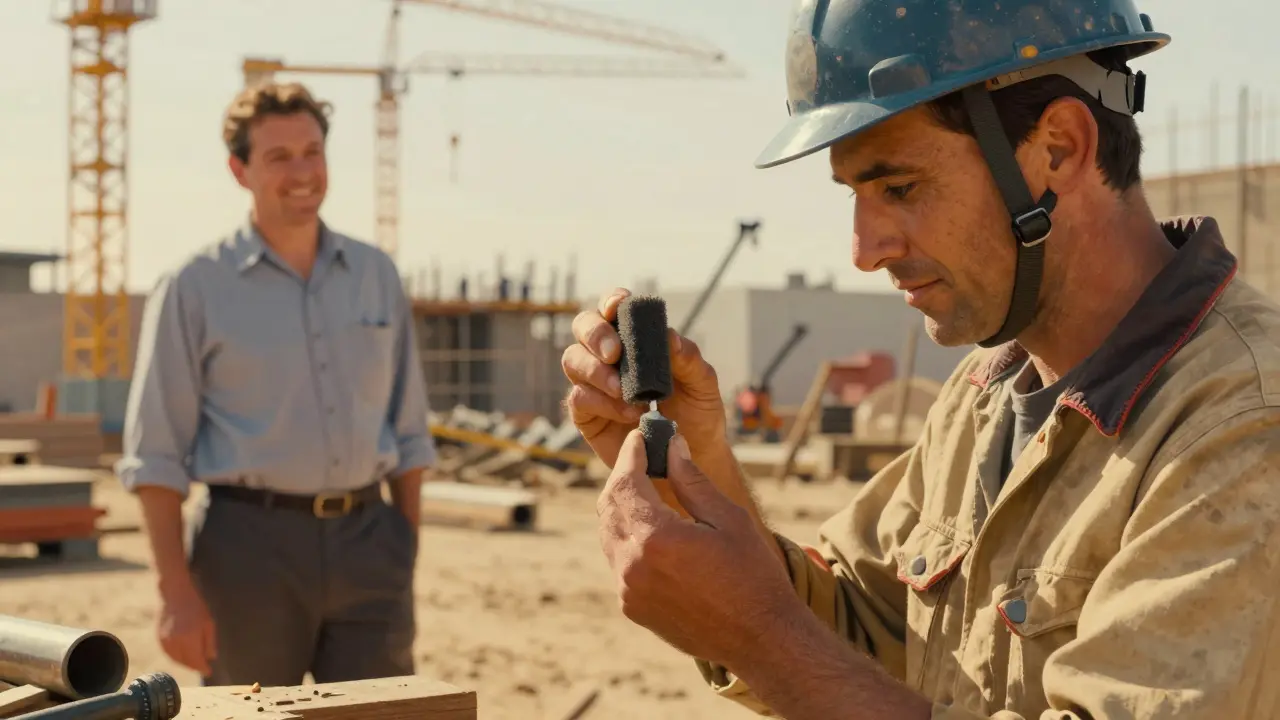
Every year, 24% of hearing loss in the U.S. comes from noise exposure, but it’s completely preventable. Understanding noise exposure limits is crucial for protecting your hearing at work and concerts. These science-backed thresholds exist to stop permanent damage before it starts. Let’s break down how they work and what you can do.
What Are Noise Exposure Limits?
Noise exposure limits are science-based rules that define safe sound levels over time. They prevent noise-induced hearing loss (NIHL), which affects millions globally. Unlike temporary hearing fatigue, NIHL is permanent and irreversible. The NIOSH is the National Institute for Occupational Safety and Health, a U.S. federal agency that researches workplace safety and health first set these standards in 1972. Their research shows that continuous exposure above 85 decibels (dBA) for 8 hours causes hearing damage. This is why limits exist: to keep your ears safe in noisy environments.
OSHA vs NIOSH: Key Differences
Two major agencies set noise rules in the U.S., but they don’t agree. The OSHA is the Occupational Safety and Health Administration, a U.S. agency enforcing workplace safety regulations uses a 90 dBA limit for 8 hours. However, NIOSH is the National Institute for Occupational Safety and Health, a U.S. federal agency that researches workplace safety and health recommends 85 dBA. Why the difference? It’s all in how they calculate risk.
| Standard | 8-Hour Limit | Exchange Rate | Peak Limit |
|---|---|---|---|
| OSHA | 90 dBA | 5 dB | 140 dB peak |
| NIOSH | 85 dBA | 3 dB | 140 dB peak |
| EU Directive 2003/10/EC | 85 dBA (lower action), 87 dB (upper limit) | 3 dB | 137 dB(A) peak |
| UK Regulations 2005 | 80 dB (action), 85 dB (action), 87 dB (limit) | 3 dB | 137 dB(A) peak |
The exchange rate matters most. OSHA uses a 5 dB rule: if noise jumps to 95 dBA, you can only work 4 hours. NIOSH uses 3 dB: at 88 dBA, you’re limited to 4 hours. This means NIOSH’s limit is 50% stricter. Why? A 3 dB increase doubles noise energy. OSHA’s 5 dB rate underestimates risk by up to 700% at higher levels, according to the American College of Occupational and Environmental Medicine.
Protecting Your Hearing at Work
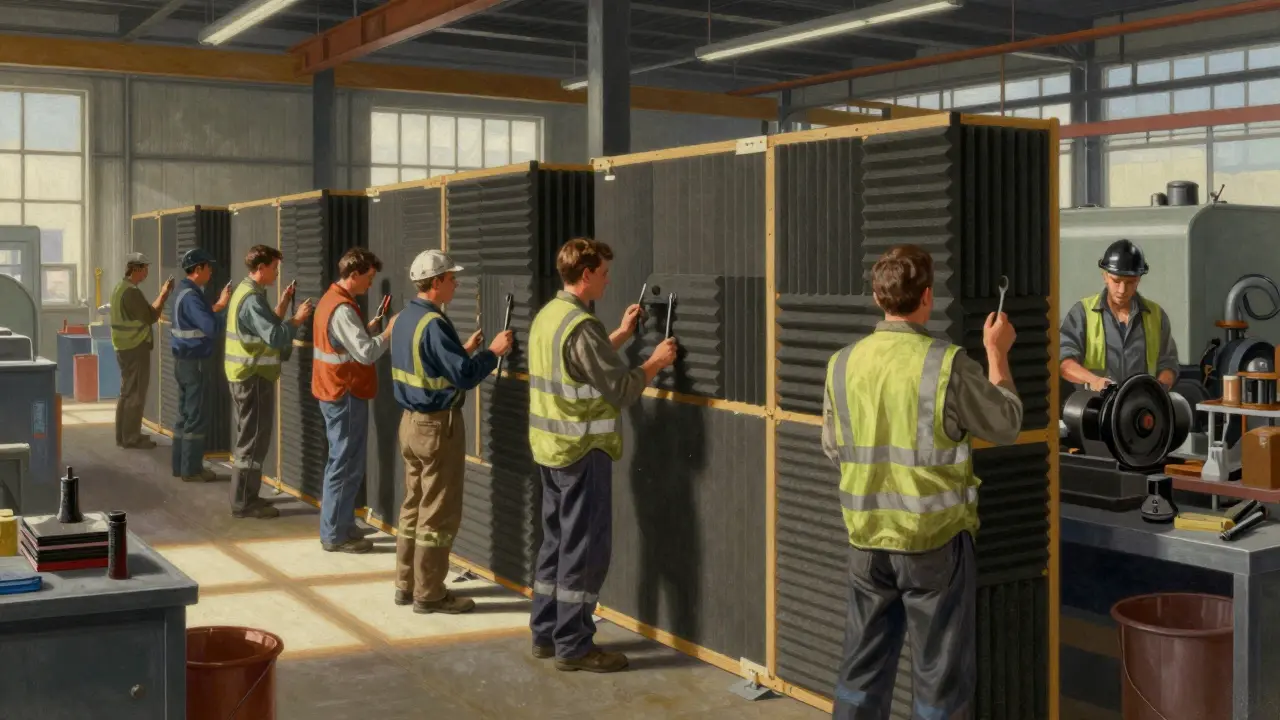
Employers must follow a hierarchy of controls. First, eliminate noise sources-like replacing old machinery with quieter models. If that’s not possible, use engineering controls: acoustic barriers, vibration dampeners, or soundproofing walls. Next, administrative controls like job rotation or scheduling loud tasks during low-occupancy hours. Only then should personal protective equipment (PPE) like earplugs or earmuffs be used.
NIOSH research shows proper hearing protection cuts noise by 15-30 dB. But it’s not one-size-fits-all. Foam earplugs must be rolled tightly and inserted correctly. Earmuffs need a good seal around the ears. A 2023 TSI Incorporated study found that 85% of workers who received hands-on fitting training used protection correctly. Without training, usage rates drop to 40%. OSHA requires annual hearing tests for workers exposed to 85 dBA or higher. These tests detect early hearing loss before it becomes permanent.
Concerts and Recreational Noise
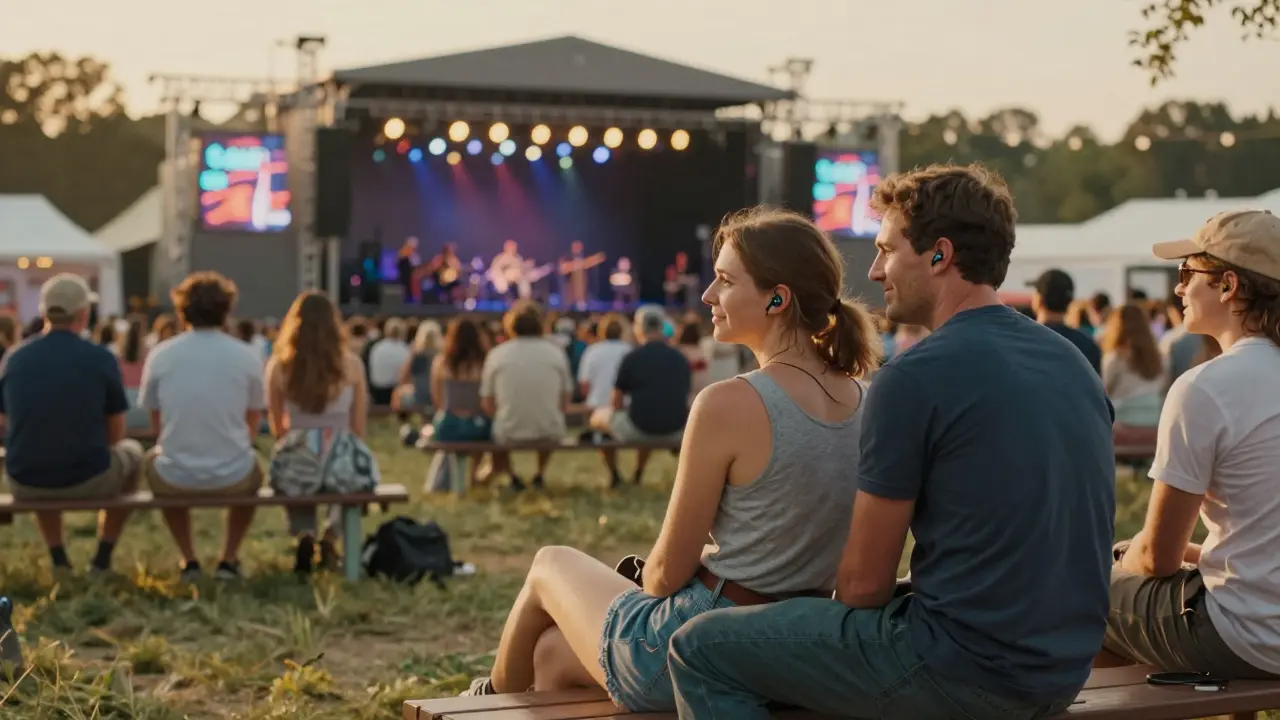
Recreational noise often gets overlooked. A single rock concert can hit 110 dBA near the stage-enough to cause damage in under 5 minutes. The World Health Organization is an international agency that sets global health guidelines recommends keeping personal audio devices below 80 dBA for no more than 40 hours weekly. But concert venues are stepping up. Lifehouse Festival now offers free earplugs, with 75% of attendees using them. Some venues have “quiet zones” at 70-75 dBA, where you can rest your ears between sets.
Real-time sound level displays are becoming common. At Glastonbury Festival, LED boards show current noise levels, so patrons know when to take breaks. The European Commission is the executive body of the European Union proposed extending occupational protections to concert venues in early 2024. This means venues with staff exposed to 80 dBA or higher will need hearing conservation programs. Even Spotify and Apple Music now warn users when volume exceeds safe levels, thanks to WHO’s Safe Listening initiative.
What You Can Do Today
You don’t need to wait for regulations to protect your hearing. Use smartphone apps to check noise levels. A June 2023 JAMA Otolaryngology study found apps measure sound within 92% accuracy of professional meters. If you’re at a construction site and the app reads 88 dBA, take a 15-minute break every hour. At concerts, wear earplugs-they’re not just for musicians. Musician’s earplugs reduce volume evenly across frequencies, so you still hear the music clearly.
For personal audio devices, follow the 60/60 rule: keep volume at 60% and listen for no more than 60 minutes at a time. If you can’t hear someone talking from 3 feet away, the noise is too loud. This simple test works anywhere. And if you work in a noisy job, ask your employer for a free hearing test-it’s legally required at 85 dBA. Early detection saves hearing.
The Future of Hearing Protection
Technology is making hearing protection smarter. Smart earplugs now connect to apps, showing real-time exposure and suggesting breaks. The ACGIH is the American Conference of Governmental Industrial Hygienists, which sets occupational exposure limits recently updated its Threshold Limit Values to align with NIOSH. California’s Title 8 regulations already use 85 dBA as the action level. By 2040, full adoption of these standards could prevent 240,000 hearing loss cases yearly in the U.S., per the National Institute on Deafness and Other Communication Disorders.
Regulations are catching up to science. The EU is tightening noise rules for nightclubs, and OSHA is increasing inspections of music venues after a 40% rise in musician hearing loss complaints since 2019. But the biggest change? Awareness. More people now know that hearing damage is preventable. It’s not about avoiding loud sounds-it’s about managing exposure safely.
What’s the safe noise level for concerts?
The World Health Organization recommends keeping sound levels below 85 dBA for extended periods. At concerts, noise often exceeds 100 dBA near speakers. To stay safe, wear earplugs, take breaks in quieter areas, and limit exposure to 2 hours at a time. Free earplugs are available at many festivals-use them!
Can I get hearing loss from one concert?
Yes. A single concert at 110 dBA can cause temporary or permanent damage in under 5 minutes. Symptoms like muffled hearing or ringing usually fade, but repeated exposure without protection leads to permanent hearing loss. Always wear earplugs, even for short concerts.
How do I know if my workplace is too loud?
If you need to shout to be heard by someone 3 feet away, noise is too high. Use a sound level meter app to check. OSHA requires hearing tests if noise exceeds 85 dBA for 8 hours. Your employer must provide free testing and protection. Don’t wait-ask for a hearing test today.
What’s the difference between OSHA and NIOSH standards?
OSHA sets 90 dBA as the legal limit for 8 hours, while NIOSH recommends 85 dBA. OSHA uses a 5 dB exchange rate (noise doubles every 5 dB), but NIOSH uses 3 dB (doubles every 3 dB). This makes NIOSH’s standard 50% stricter. Many states like California now follow NIOSH guidelines for better protection.
Are earplugs effective for concerts?
Yes, but not all earplugs work the same. Musician’s earplugs filter sound evenly, so you hear the music clearly at safer volumes. Foam earplugs reduce noise by 25-30 dB but muffle high frequencies. For concerts, choose earplugs with a Noise Reduction Rating (NRR) of 20-25 dB. They’re cheap, easy to carry, and prevent permanent damage.

Matthew Morales
February 6, 2026 AT 02:30I always forget the 60/60 rule for personal audio. Gotta start using earplugs at concerts. 😊
one hamzah
February 6, 2026 AT 14:07NIOSH standads are way bettr than OSHA's. 85db vs 90 - that's a huge difference! We need more awarness. Also, earplug fitting is key. 🤓
Kieran Griffiths
February 8, 2026 AT 13:30Employers should provide free hearing tests - it's required at 85 dB. Stay safe out there!
Gregory Rodriguez
February 8, 2026 AT 19:27OSHA standards are clearly inadequate. I mean, who needs to hear their kids' voices anyway? 😂
Andre Shaw
February 9, 2026 AT 14:45Nah, OSHA's standards are perfect. NIOSH is just being overly cautious. I've been to concerts at 110 dB and my hearing's fine. You guys are just weak.
Bella Cullen
February 10, 2026 AT 22:23Just wear earplugs. Done.
Lana Younis
February 12, 2026 AT 08:43NIOSH's 85 dBA limit is way better than OSHA's 90. Sometimes people don't know how to use earplugs right. Roll 'em tight and push in deep. 😊
Samantha Beye
February 13, 2026 AT 23:51Get regular hearing tests if you're in a noisy environment. Safety first.
Tehya Wilson
February 15, 2026 AT 06:07OSHA standards are outdated EU regulations are better Why are we discussing this
Jenna Elliott
February 16, 2026 AT 05:02OSHA standards are American Why are we following EU rules We're better Just use earplugs No need for all this talk
Carol Woulfe
February 17, 2026 AT 09:36I suspect there's a deeper conspiracy here. The government is likely in cahoots with the audio industry to keep people from realizing how dangerous this really is. After all, if they regulated properly, it would cost too much. But I'm not the only one who sees this.